Wagner Group: Russia's Shadowy Mercenary Organization
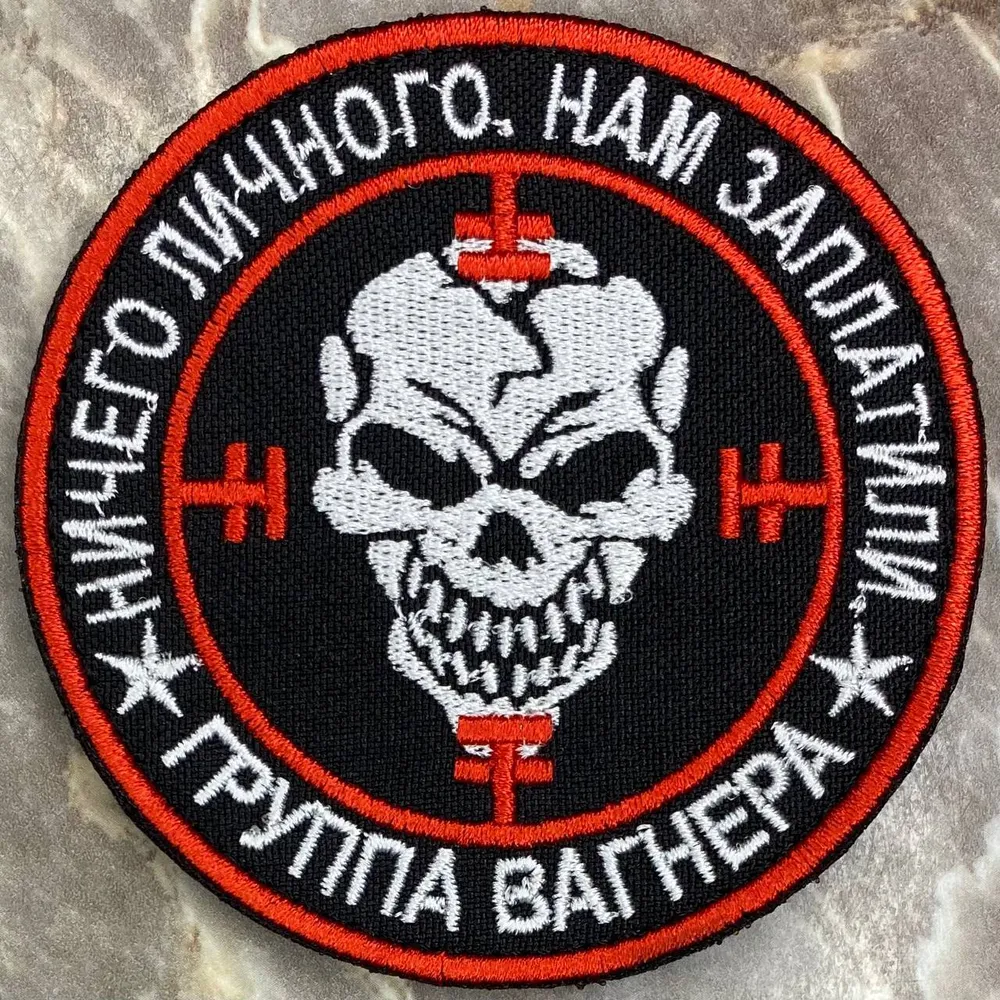
In recent years, a mysterious private military company (PMC) called Wagner Group has gained significant attention and infamy on the global stage. Operating under a shroud of secrecy, this Russian-based group has been linked to numerous conflicts and covert operations around the world. Wagner Group's actions have sparked debates and concerns among international observers, raising questions about its true purpose and relationship with the Russian government. In this article, we delve into the enigmatic world of Wagner Group, exploring its origins, operations, and geopolitical implications.
Origins and Structure
Wagner Group, often referred to as the "Kremlin's private army," was founded in 2014 by Dmitry Utkin, a former Russian military intelligence officer. The group takes its name from Utkin's nom de guerre, "Wagner." Although the organization officially denies any direct connection with the Russian government, numerous reports and investigations suggest otherwise.
Wagner Group operates as a mercenary organization, providing combat personnel for various conflicts worldwide. The group recruits extensively from Russia and other countries in the post-Soviet region, luring ex-servicemen and veterans with the promise of high wages and adventure. Estimates of its manpower range from several hundred to several thousand mercenaries, making it a formidable force.
Operations and Conflicts
Wagner Group's activities have been primarily focused on regions of strategic interest to Russia. The organization's first notable engagement was in Ukraine, where it participated in the annexation of Crimea in 2014 and the subsequent conflict in eastern Ukraine. Reports indicate that Wagner mercenaries played a significant role in these operations, supporting pro-Russian separatist forces.
Since then, Wagner Group's involvement has expanded to other conflict zones, including Syria, Libya, Sudan, and the Central African Republic. In these countries, the group has been accused of participating in combat operations, training local militias, and providing security for key infrastructure and political figures. The exact extent of its operations and the level of coordination with the Russian government remain subjects of speculation.
Geopolitical Implications and Controversies
The emergence of Wagner Group has raised numerous concerns and controversies on the international stage. One major concern revolves around the group's lack of accountability and adherence to international law. Being a private military company, Wagner Group operates outside the constraints imposed on official armed forces, raising questions about potential human rights abuses and war crimes.
Another concern lies in Wagner Group's strategic role in advancing Russia's geopolitical interests. By deploying mercenaries instead of conventional troops, Russia can maintain plausible deniability and exert influence in conflict zones without bearing the full weight of official state involvement. This has allowed Russia to expand its reach and protect its economic and political interests in regions of strategic importance.
The relationship between Wagner Group and the Russian government remains opaque. While there is mounting evidence suggesting close ties between the group and the Kremlin, the exact nature of this relationship remains largely speculative. Some analysts argue that Wagner Group operates as a proxy force, acting as an extension of Russian foreign policy, while others suggest a more complex dynamic, involving oligarchs and private interests.
Wagner Group's rise as a prominent private military company has injected a new dimension into the world of modern warfare and geopolitics. Its shadowy operations and alleged ties to the Russian government have drawn international attention and raised concerns about the erosion of established norms in armed conflicts. The continued activities of Wagner Group demand increased scrutiny from the international community to ensure transparency, accountability, and the protection of human rights in conflict zones.