Wagner Chief Yevgeny Prigozhin Dies in Mysterious Plane Crash
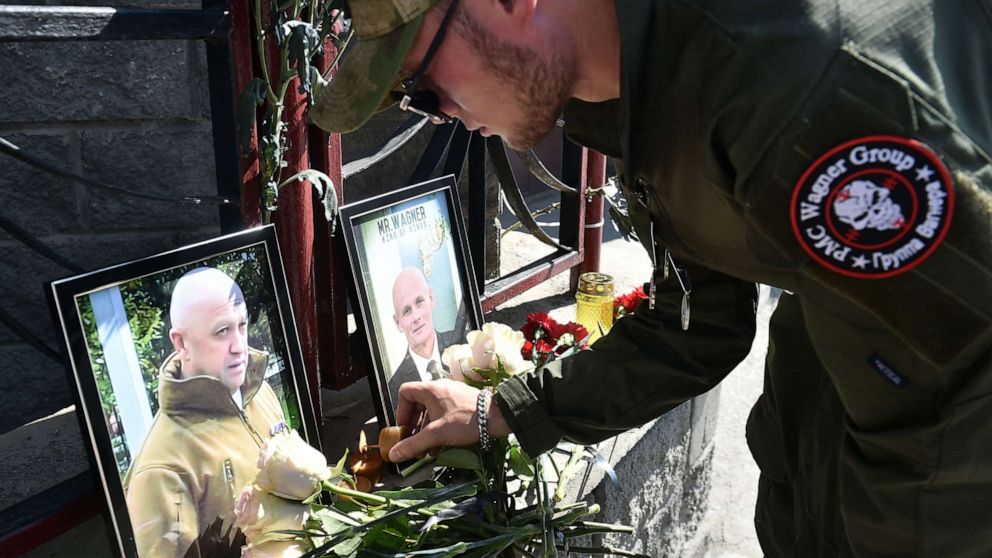
The news of the crash involving Russian mercenary leader Yevgeny Prigozhin has sent shockwaves through both national and international circles. Prigozhin, a prominent figure in the Wagner mercenary group, was among the ten individuals who tragically lost their lives in the crash. According to Russia's civil aviation authority, the crash occurred in the Tver region, not far from Moscow, and resulted in the deaths of all on board.
What makes this incident even more intriguing are the conflicting reports surrounding the crash. Social media posts linked to the Wagner group have claimed that Prigozhin's private plane was intentionally shot down by Russian air defenses. These claims have led to speculation that his death was not a mere accident but a deliberate act. The Grey Zone Telegram channel even posted that Prigozhin's demise was a result of the actions of "traitors to Russia."
Yevgeny Prigozhin's history is marked by both controversy and power struggles. He led an abortive mutiny against Russia's armed forces earlier in the year, which raised questions about his true intentions. Some experts, both within Russia and internationally, have cast doubt on the authenticity of the mutiny, suggesting that Prigozhin's actions might have been orchestrated or influenced by higher authorities, potentially including President Vladimir Putin himself. This adds a layer of complexity to the narrative surrounding his untimely death.
Adding to the intrigue, the crash occurred on the same day that a senior Russian general, Sergei Surovikin, was reportedly relieved of his duties as air force chief. Gen Surovikin was known to have connections with Prigozhin, and his removal from his position on the day of the crash raises questions about potential links between these events.
Prigozhin's death also has implications for the future of the Wagner mercenary group, which he was associated with. The group, known for its involvement in conflict zones such as Ukraine, Syria, and West Africa, boasts a significant number of fighters. Prigozhin's leadership and influence were central to the group's operations, and his absence could potentially trigger shifts in the dynamics of these conflict zones.
While the circumstances surrounding Yevgeny Prigozhin's death are shrouded in uncertainty, the incident has garnered international attention. Even U.S. President Joe Biden's response, expressing a lack of surprise at the news, underscores the geopolitical significance of Prigozhin's involvement and the potential implications of his demise.
As investigations into the crash continue, it's likely that more details will emerge, potentially shedding light on the true nature of the incident and its wider implications for Russian politics, military operations, and international relations. Until then, the speculation surrounding Prigozhin's death will continue to capture the interest of observers worldwide.