Loss of Luna 25: Setback for Russian Space Program, Lunar Mission Failure
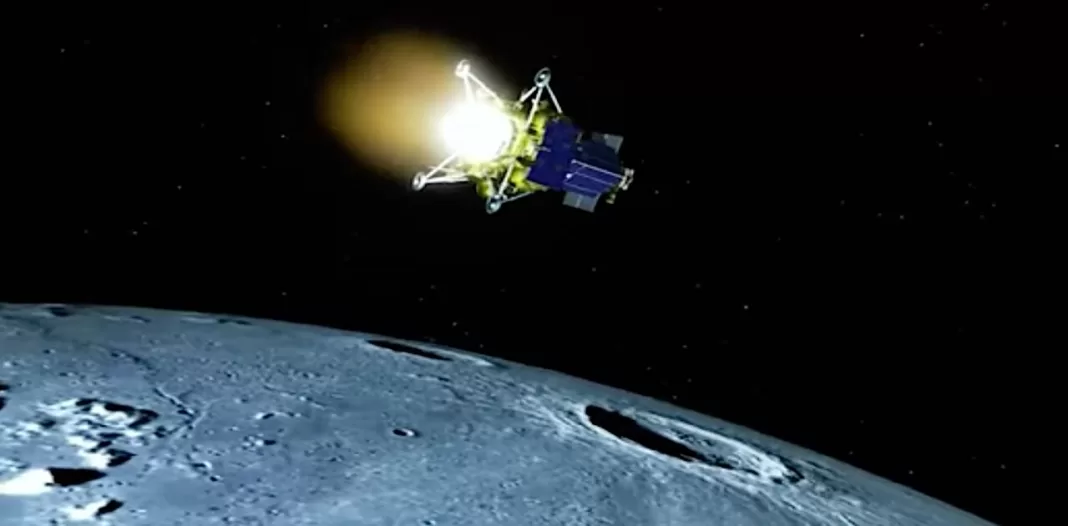
The loss of the Luna 25 spacecraft stands as a significant setback for the Russian space program, impacting its aspirations to reestablish a dominant position in space exploration. This mission failure not only entails technical and financial setbacks but also carries substantial symbolic weight, as it aimed to restore Russia's historical prowess in space exploration.
The Luna 25 mission was poised to become Russia's maiden attempt at lunar exploration since 1976, marking the Soviet Union's last lunar endeavor. However, a series of unfortunate events led to the tragic demise of the spacecraft, resulting in a crash onto the lunar surface during a critical maneuver. This failure underscores the intricacies and perils associated with space exploration, even for nations with a storied space history.
The Luna 25's failure resonates notably within the context of Russia's post-Soviet space program. After the dissolution of the Soviet Union in 1991, economic hardships hindered Russia's capability to fund and advance its space activities. While Russia persisted in cooperative ventures such as the International Space Station and relied on the Soyuz spacecraft for astronaut launches, it struggled to regain its former preeminence in space exploration.
The Luna 25 mission was poised to be a pivotal stride toward revitalizing Russia's interplanetary pursuits. It was anticipated to pave the way for forthcoming missions, including the Luna 26 orbiter mission and robotic landing expeditions. The mishap surrounding Luna 25 raises not only technical apprehensions concerning these upcoming missions but also spotlights the broader impediments faced by the Russian space sector, such as antiquated technology, resource limitations, and the demand for modernization.
This setback accentuates the inherent hazards and uncertainties tied to space exploration, where meticulously orchestrated missions can be derailed by unforeseen technical glitches and hurdles. The establishment of an interdepartmental commission to scrutinize the failure underscores Russia's commitment to gleaning insights from this event and averting similar mishaps down the line.
The Luna 25's loss conceivably could result in the postponement of the timeline for subsequent lunar missions, magnifying the pressure on the Russian space program. However, setbacks are customary in space exploration and often serve as valuable learning opportunities that contribute to future triumphs. Russia's resolute determination to persist in its space exploration endeavors amid adversity showcases the unyielding spirit of human curiosity and discovery.
As global attention centers on the aftermath of this failure, the incident will likely stimulate renewed dialogues concerning the trials and benefits of space exploration, the necessity for international collaboration, and the roles of governments and entities in endorsing ambitious space undertakings. The incident serves as a poignant reminder that space exploration is an intricate venture necessitating meticulous planning, technical finesse, and a readiness to derive lessons from both accomplishments and setbacks.