Understanding Mauritius: Essential Cultural Etiquette for Tourists
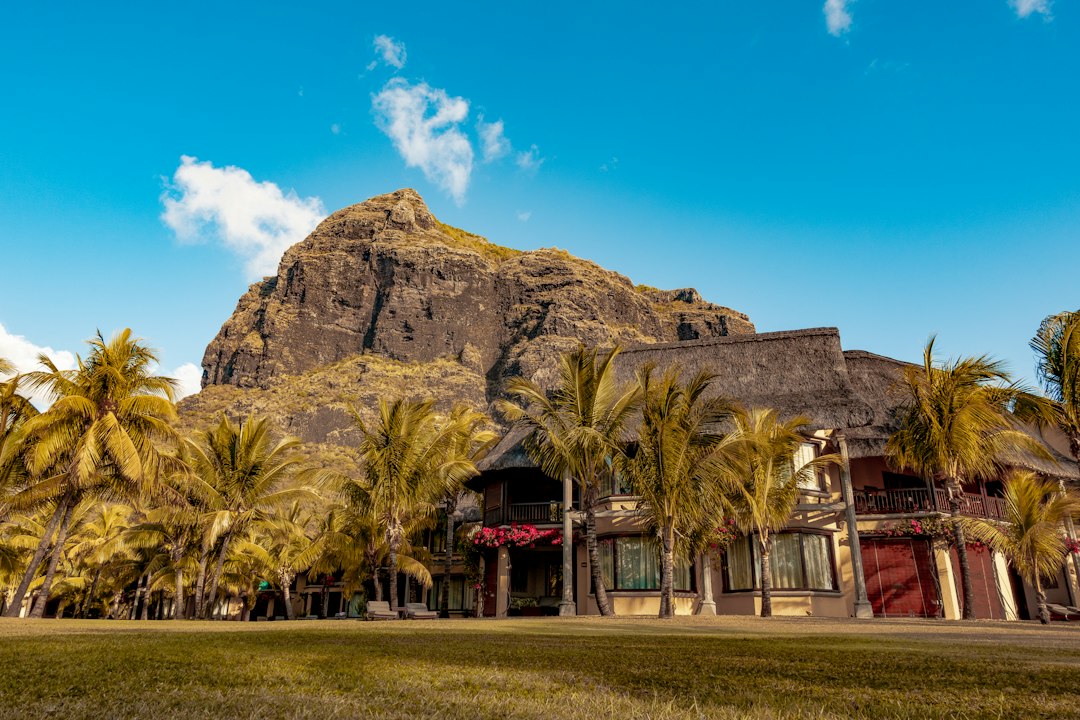
Mauritius, an island paradise in the Indian Ocean, is renowned for its pristine beaches, vibrant landscapes, and incredibly diverse culture. A beautiful mosaic of Indian, African, European, and Chinese influences, Mauritian society thrives on harmony and respect. As a visitor, understanding and observing local customs and etiquette will not only enrich your travel experience but also show genuine appreciation for this magnificent nation and its people.
Navigating Social Interactions with Grace
Greetings and Respect
- Warm Welcomes: Mauritians are generally friendly and welcoming. A polite "Bonjour" (good day) or "Bonsoir" (good evening) in French is always appreciated. Many also use "Namaste" (Hindu greeting) or "Salaam alaikum" (Muslim greeting), reflecting the island's diverse faiths.
- Handshakes: A light handshake is common for both men and women when meeting for the first time or saying goodbye.
- Elders: Show particular respect to elders. It's customary to greet them first and avoid interrupting them.
- Personal Space: While friendly, Mauritians generally appreciate a moderate amount of personal space.
Communication Style
- Indirectness: Communication can sometimes be indirect. Patience and careful listening are key.
- Tone: Maintain a polite and calm tone, especially in public. Loud arguments or displays of anger are generally frowned upon.
Dress Code: Respecting Local Norms
Everyday Attire
- Modesty is Key: While beachwear is perfectly acceptable on beaches and by hotel pools, it’s advisable to dress modestly when venturing into towns, villages, or less touristy areas.
- Comfortable & Respectful: Light, comfortable clothing like shorts, t-shirts, and sundresses are fine for general sightseeing, but avoid overly revealing outfits.
Visiting Religious Sites
- Cover Up: When entering temples, mosques, or churches, both men and women should ensure their shoulders and knees are covered. It's often respectful for women to also cover their heads in some religious settings, though not always mandatory for tourists.
- Footwear: Be prepared to remove your shoes before entering religious buildings. Look for signs or follow local queues.
Dining Etiquette & Hospitality
Food and Sharing
- Generous Hosts: Mauritians are incredibly hospitable. If invited to a local home, it’s polite to accept food and drink offered. Trying a little of everything shows appreciation.
- Eating Utensils: While cutlery is common, some local dishes, especially street food or curries, might be eaten with your right hand. Observe what locals do. Always use your right hand if eating without cutlery, as the left hand is traditionally considered unclean in some cultures.
Tipping
- Gratuity: Tipping is not strictly mandatory but is always appreciated for good service in restaurants, hotels, and for tour guides or drivers. A 10% tip is a good guideline.
Public Conduct and General Courtesy
Photography
- Ask Permission: Always ask for permission before taking photographs of individuals, especially children. A polite gesture and a "s'il vous plaît" (please) can go a long way.
- Respect Sacred Sites: Be mindful when photographing religious ceremonies or inside sacred spaces.
Public Displays of Affection
- Discretion: While not forbidden, public displays of affection (PDA) are generally kept to a minimum out of discretion and respect for local customs.
Bargaining
- Markets Only: Bargaining is generally only expected and acceptable in local markets and with street vendors. It’s not common in established shops or supermarkets. Approach it with a friendly smile.
Punctuality
- Flexible Time: Mauritian time can be a little more relaxed than in some Western countries. While punctuality is appreciated for formal appointments, don't be surprised if things run a little late.
Basic Language Phrases for Connection
Learning a few basic phrases in French or Mauritian Creole can greatly enhance your interactions:
- Bonjour/Bonsoir: Hello/Good evening
- Merci: Thank you
- S'il vous plaît: Please
- Oui/Non: Yes/No
- Pardon: Excuse me/Sorry
- Ki manier? (Creole): How are you?
- Mo bien: (Creole): I'm fine.
By embracing these cultural nuances, you'll not only enjoy a richer and more authentic Mauritian experience but also leave a positive impression, fostering connection and mutual respect with the warm-hearted locals. Enjoy your journey to this incredible island!