The Best Places for Stargazing and Night Photography in the Czech Republic
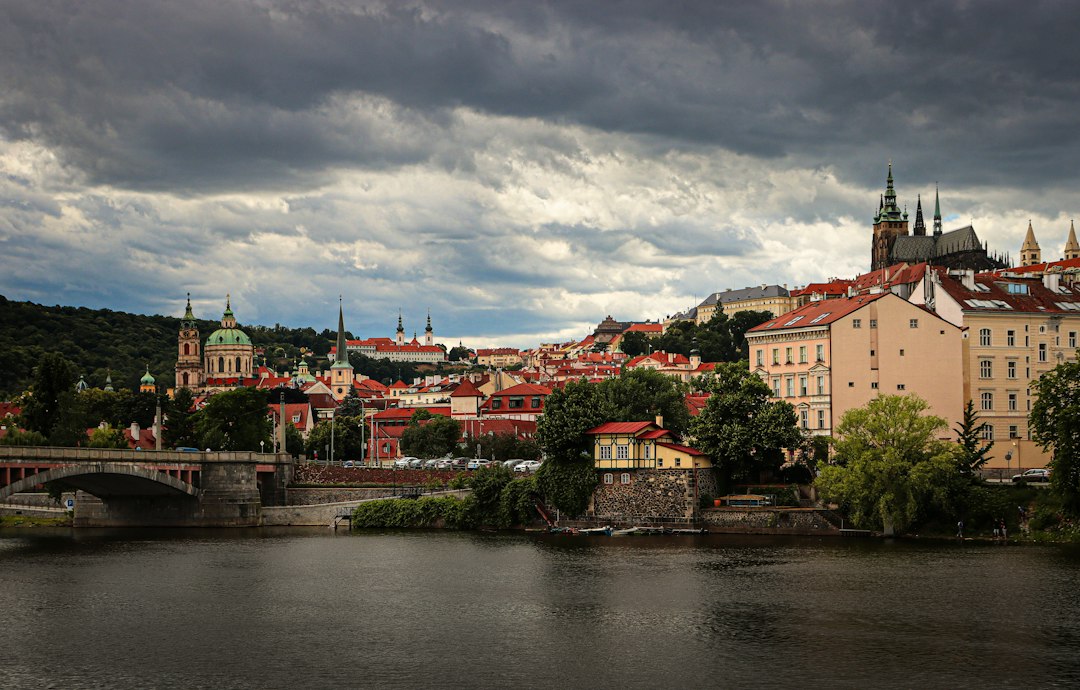
The Czech Republic, a land often celebrated for its historic cities and charming villages, holds a secret beauty waiting to be discovered after dusk: its incredibly dark skies. For enthusiasts of both stargazing and night photography, escaping the city lights can reveal a breathtaking canvas of stars, galaxies, and celestial wonders. If you're looking to capture the magic of the Milky Way or simply immerse yourself in the cosmic silence, the Czech Republic offers some surprisingly prime locations.
Understanding Light Pollution in the Czech Republic
Despite being a relatively developed country, the Czech Republic boasts significant areas with minimal light pollution. These regions, often characterized by national parks, protected landscape areas, and mountainous terrain, provide ideal conditions for observing and photographing the night sky. Identifying these dark sky zones is crucial for a successful celestial adventure.
Top Stargazing & Night Photography Locations in the Czech Republic
Here are some of the most recommended spots for an unforgettable stargazing and night photography experience:
Jizera Mountains Dark Sky Park (Jizerská oblast tmavé oblohy)
- Why it's great: Established as the first international dark sky park in the world, straddling the Polish-Czech border. It offers some of the darkest skies in Central Europe, meticulously monitored for light pollution.
- Key Features for Photography: The park's diverse landscape includes dense forests, peat bogs, and unique rock formations that provide excellent foreground interest for astrophotography. Clear horizons are common from higher elevations.
- Tips: Check the park's official website for observatory events or guided stargazing tours. Always bring warm clothing, even in summer.
Šumava National Park (Bohemian Forest)
- Why it's great: Located in the southwest, Šumava National Park is one of the largest protected areas in the country, featuring vast expanses of wilderness and minimal human settlement. This results in exceptionally dark skies, especially in its core zones.
- Key Features for Photography: The park's rolling hills, pristine lakes (like Lake Laka or Prášily Lake), and ancient forests offer diverse and dramatic compositions for nightscapes. The reflection of stars on calm water can be particularly stunning.
- Tips: Some areas within the park are restricted; always adhere to park rules. Consider locations near border crossings for even less light interference.
Beskydy Mountains
- Why it's great: Situated in the east of the Czech Republic, the Beskydy Mountains are another excellent choice for dark sky enthusiasts. Their rugged terrain and lower population density contribute to significantly reduced light pollution compared to urban centers.
- Key Features for Photography: Quaint wooden churches, shepherd huts, and traditional villages scattered amidst the hills can add a unique cultural element to your night sky photographs. Elevated peaks provide panoramic views.
- Tips: Explore the areas around Lysá hora or Radhošť for elevated vantage points.
Podyjí National Park (Thaya River Canyon)
- Why it's great: This picturesque national park on the border with Austria offers a combination of deep river canyons, preserved forests, and historic ruins. Its relatively remote location ensures low light pollution, making it a good spot for stargazing.
- Key Features for Photography: The dramatic Thaya River canyon, Vranov nad Dyjí Castle, and Šobes vineyard terraces provide striking foregrounds for night sky shots.
- Tips: Access to certain viewpoints might require a hike; plan accordingly.
Essential Gear for Stargazing & Night Photography
To make the most of your Czech night sky adventure, equip yourself with the right tools:
- Camera: A DSLR or mirrorless camera with manual controls is essential.
- Lens: A wide-angle lens (14-24mm) with a fast aperture (f/2.8 or wider) is ideal for capturing broad celestial scenes and maximizing light collection.
- Sturdy Tripod: Absolutely crucial for long exposures to prevent camera shake.
- Remote Shutter Release: Further minimizes camera shake during exposure.
- Headlamp with Red Light Option: Preserves your night vision while allowing you to see.
- Extra Batteries: Long exposures drain battery life quickly, especially in cold weather.
- Warm Clothing: Nights can get surprisingly cold, even in summer. Layering is key.
- Star Chart App (e.g., SkyView, PhotoPills): Helps locate constellations, planets, and plan shots like the Milky Way core.
Tips for a Successful Night Photography Trip
- Check the Weather Forecast: Clear skies are paramount. Cloud cover will obstruct your view.
- Monitor Moon Phases: A new moon offers the darkest skies, making fainter objects and the Milky Way more visible. A full moon can be beautiful but will wash out dimmer stars.
- Scout Locations During Daylight: Familiarize yourself with the terrain, identify foreground elements, and plan your compositions to avoid surprises in the dark.
- Learn Your Camera Settings: Practice manual focus, setting a high ISO (e.g., 1600-6400), a wide aperture, and appropriate shutter speed (e.g., 15-30 seconds for stars).
- Prioritize Safety: Inform someone of your plans, be aware of wildlife, and stick to known paths.
- Leave No Trace: Always pack out everything you pack in. Respect these beautiful natural environments.
The Czech Republic offers a surprising wealth of opportunities for those seeking to connect with the cosmos. With careful planning and the right gear, you can unlock the breathtaking beauty of its dark skies and capture stunning night sky photographs that will last a lifetime.