Unveiling Taiwan's Forgotten Past: A Guide to Abandoned Places and Urban Ruins
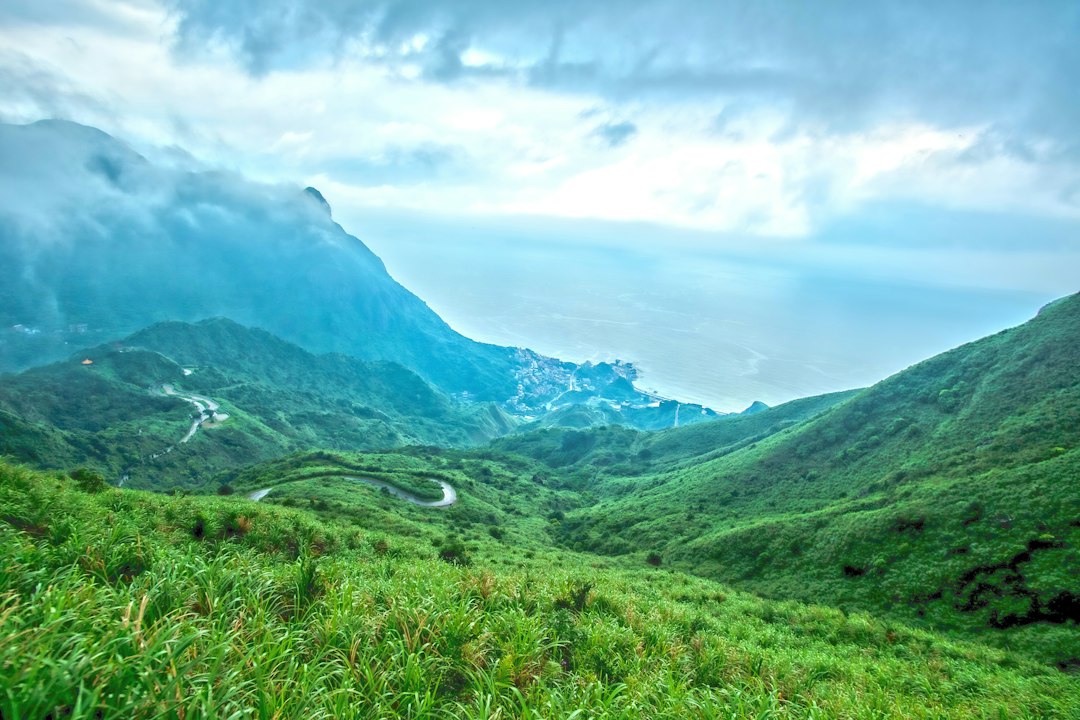
Taiwan, an island celebrated for its vibrant night markets, stunning natural landscapes, and bustling cities, holds a lesser-known, melancholic beauty within its borders: a collection of abandoned places and urban ruins. These forgotten corners whisper tales of rapid development, changing economies, and the relentless march of time, offering a unique window into the island's history and an irresistible draw for urban explorers (urbex) and photographers alike.
The Allure of Decay: Why We're Drawn to Taiwan's Ghostly Sites
There's a profound fascination with decay, a silent narrative embedded in crumbling walls and overgrown structures. Taiwan's abandoned sites evoke a sense of mystery, history, and a poignant beauty in their dereliction. For many, exploring these ghost towns and forgotten buildings isn't just about adrenaline; it's about connecting with the past, understanding societal shifts, and witnessing the resilience of nature as it reclaims what was once man-made.
Understanding Urban Exploration (Urbex) in Taiwan
Urban exploration, or urbex, involves venturing into man-made structures, usually abandoned or hidden ruins, to observe and document them. While the thrill is undeniable, responsible urbex prioritizes safety, legality, and ethical conduct.
Why So Many Abandoned Places in Taiwan?
Taiwan's unique socio-economic and geographical landscape has contributed to a surprising number of abandoned places:
- Rapid Economic Shifts: The decline of traditional industries such as mining, sugar production, and manufacturing has left behind numerous derelict factories and industrial sites.
- Rural Exodus: As younger generations flock to urban centers for work and opportunity, countless remote villages and ancestral homes in mountainous or rural areas have been left empty.
- Natural Disasters: Taiwan is prone to earthquakes and typhoons. Structures damaged beyond repair or deemed unsafe after such events are often simply abandoned.
- Failed Development Projects: Some ambitious resort developments, residential complexes, or theme parks never reached completion or failed shortly after opening, becoming modern ruins.
- Historical Significance: Remnants from the Japanese colonial era, military installations, and old schoolhouses add to the diverse tapestry of Taiwan's historical ruins.
A Glimpse into Taiwan's Forgotten Corners
From ghostly mining towns to dilapidated luxury resorts, Taiwan offers a diverse range of urban ruins to explore and document.
Industrial Echoes
The legacy of Taiwan's industrial past is visible in its numerous abandoned factories and mining towns. Areas like Jinguashi, while partially preserved as a gold ecological park, still feature stark reminders of its booming mining days in its derelict structures. These sites tell stories of hard labor and a bygone era.
Vanished Visions
Taiwan has its share of failed development projects. Perhaps most famously, the futuristic San Zhi Pod City, a complex of UFO-shaped houses, became an iconic symbol of a dream that never materialized, though it has since been largely demolished. Other abandoned resorts and hotels dot the landscape, grand yet hollow structures standing testament to unfulfilled ambitions.
Silent Villages & Schools
Venture into Taiwan's central mountain range or along its rugged coast, and you'll encounter ghost villages where entire communities have disappeared, leaving behind homes and schools. These empty residential areas are often overgrown, with personal belongings sometimes eerily left behind, offering a poignant look at rural decline.
Military Relics
Given its strategic location, Taiwan also possesses numerous abandoned military installations, including old bunkers and forts. These structures, often found along the coast or in strategic mountain passes, offer a glimpse into the island's complex military history.
Essential Guidelines for Responsible Exploration
While the allure of urban ruins is strong, responsible urban exploration is paramount.
Safety First
- Structural Instability: Many abandoned buildings are structurally unsound. Floors may collapse, roofs may cave in, and stairs can be compromised.
- Environmental Hazards: Be aware of asbestos, mold, sharp objects, broken glass, and potential animal inhabitants (snakes, insects).
- Go with a Group: Never explore alone. Always inform someone of your plans and expected return time.
- Appropriate Gear: Wear sturdy shoes, long pants, and carry a flashlight, first-aid kit, and water.
Respect and Legality
- Private Property: Most abandoned sites are on private land. Trespassing is illegal and can lead to legal consequences. Research the legality of accessing a site beforehand.
- Local Regulations: Be aware of any local laws or prohibitions regarding photography or entry.
Leave No Trace
- Take Nothing but Photos: Resist the urge to take souvenirs.
- Leave Nothing but Footprints: Do not vandalize, litter, or disturb the existing environment.
- Preserve the History: The beauty of these sites lies in their untouched, decaying state.
Capturing the Beauty of Decay: Photography Tips
Abandoned places are incredibly photogenic, offering rich textures, dramatic lighting, and compelling narratives.
- Wide-Angle Lens: Ideal for capturing the vastness of interior spaces and sprawling exterior views.
- Tripod: Essential for long exposures in low-light conditions to capture detail without blur.
- Natural Light: Utilize windows and openings for dramatic lighting effects. Consider shooting during golden hour for warm tones.
- Composition: Look for leading lines, repeating patterns, and compelling foreground elements to draw the viewer's eye.
- Focus on Detail: Don't just capture the whole scene; zoom in on rusted machinery, peeling paint, or forgotten objects to tell a more intimate story.
Exploring Taiwan's abandoned places and urban ruins offers a unique and thought-provoking experience. It's an opportunity to step off the beaten path, confront the impermanence of human endeavor, and appreciate the raw, melancholic beauty that time and nature create. Approach these forgotten treasures with respect, caution, and an open mind, and you'll discover a side of Taiwan rarely seen.