Caribbean Currency Guide: Your Smart Money Tips for Island Adventures
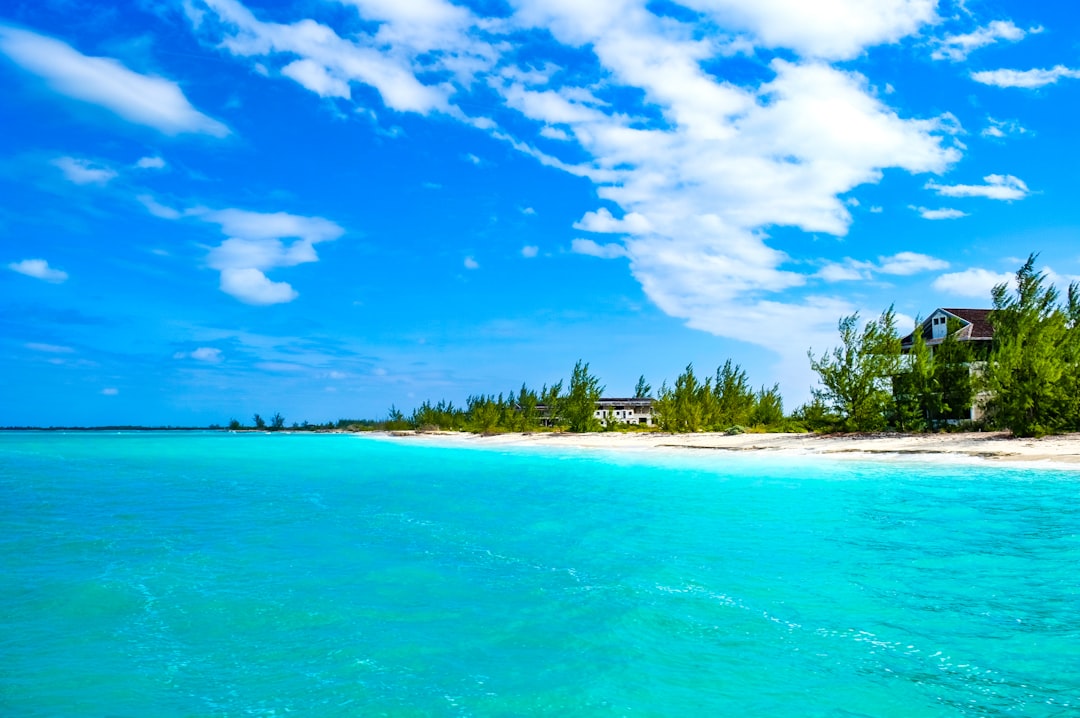
Dreaming of a sun-soaked escape to the Caribbean? While picturing turquoise waters and white sand beaches, don't forget a crucial aspect of seamless travel: understanding money and currency exchange. Navigating finances in a new country can be tricky, especially across the diverse islands of the Caribbean. This essential guide will equip you with the knowledge to handle your money wisely, ensuring your focus remains on relaxation and adventure.
Understanding Caribbean Currencies
The Caribbean is a melting pot of cultures, and that extends to its currencies. Being prepared means knowing what to expect on your chosen island(s).
Local Currencies vs. The US Dollar (USD)
Many Caribbean nations have their own distinct local currency. For example:
- Barbados uses the Barbadian Dollar (BBD).
- Several Eastern Caribbean islands (like St. Lucia, Grenada, Antigua) share the Eastern Caribbean Dollar (EC$).
- Jamaica has the Jamaican Dollar (JMD).
However, the US Dollar (USD) is widely accepted across many tourist-heavy areas, resorts, and larger establishments, often at a fixed or slightly varied exchange rate. In some places, like the British Virgin Islands and Turks & Caicos, the USD is even the official currency. It's crucial to research the specific currency situation for the island you plan to visit.
Smart Currency Exchange Practices
Getting the most out of your money means understanding where and how to exchange currency.
Where to Exchange Currency
- Avoid airport currency exchange booths if possible, as they typically offer less favorable exchange rates and higher fees.
- Local banks generally provide the best exchange rates. Look for reputable banks in towns and cities.
- Some hotels offer currency exchange, but their rates are often less competitive than banks.
- Dedicated currency exchange bureaus can be an option, but always compare their rates and check for hidden commissions.
Exchange Rates and Fees
Always be aware of the daily exchange rates before you convert your money. Use online converters or reliable financial apps to get a baseline. When exchanging cash, inquire about any service charges or commissions that might eat into your exchanged amount. A seemingly good rate can be offset by high fees.
Cash, Cards, and ATMs: Your Payment Options
A balanced approach to payment methods is often the best strategy for Caribbean travel.
Is Cash King? (Sometimes)
Cash is invaluable for many aspects of Caribbean travel:
- Small vendors at local markets.
- Street food and casual eateries.
- Taxis and local transport.
- Tipping service staff.
It's wise to carry a mix of small denominations in both USD and the local currency. However, carrying excessive amounts of cash can be a security risk.
Credit and Debit Cards
Credit cards (especially Visa and Mastercard) are widely accepted at resorts, major restaurants, duty-free shops, and larger businesses.
- Notify your bank of your travel plans to avoid card freezes.
- Check with your card issuer about foreign transaction fees; these can add up. Consider a travel-friendly card with no such fees.
- American Express is less commonly accepted in some areas.
ATMs: Your Go-To for Local Currency
ATMs are generally available in most towns and cities and are a convenient way to get local currency.
- Use bank-affiliated ATMs for better security and reliability.
- Be mindful of ATM fees – you might incur charges from both your home bank and the local bank.
- When withdrawing, if offered dynamic currency conversion (DCC) (the option to be charged in your home currency), always decline and choose to be charged in the local currency. DCC usually comes with unfavorable exchange rates.
Budgeting and Security Tips
A little planning goes a long way in ensuring your financial safety and peace of mind.
Set a Daily Budget
Estimate your daily expenses for food, activities, souvenirs, and transport. This helps you manage your spending and prevents overspending. Factor in a buffer for unexpected costs.
Security for Your Funds
- Divide your money: Don't carry all your cash and cards in one wallet.
- Utilize hotel safes for valuables and excess cash.
- Be discreet when handling money, especially in busy public areas or at ATMs.
- Keep copies (digital and physical) of important documents like your passport and credit card numbers (stored separately).
- Have a backup plan, such as a secondary credit card or some emergency cash hidden away.
Final Pro Tips for Your Caribbean Adventure
- Always have some small bills (USD or local currency) on hand for tips, small purchases, and unexpected expenses.
- Invest in a travel-friendly credit card that waives foreign transaction fees.
- Download a reliable currency converter app on your smartphone for quick rate checks.
- Research the specific currency situation and typical payment methods for your chosen island before you depart.
By following these tips, you'll be well-prepared to handle your money and currency exchange like a pro, allowing you to fully immerse yourself in the beauty and culture of your Caribbean destination without any financial worries. Enjoy your trip!