Mastering Money in Peru: Your Essential Guide to Soles & Smart Currency Exchange
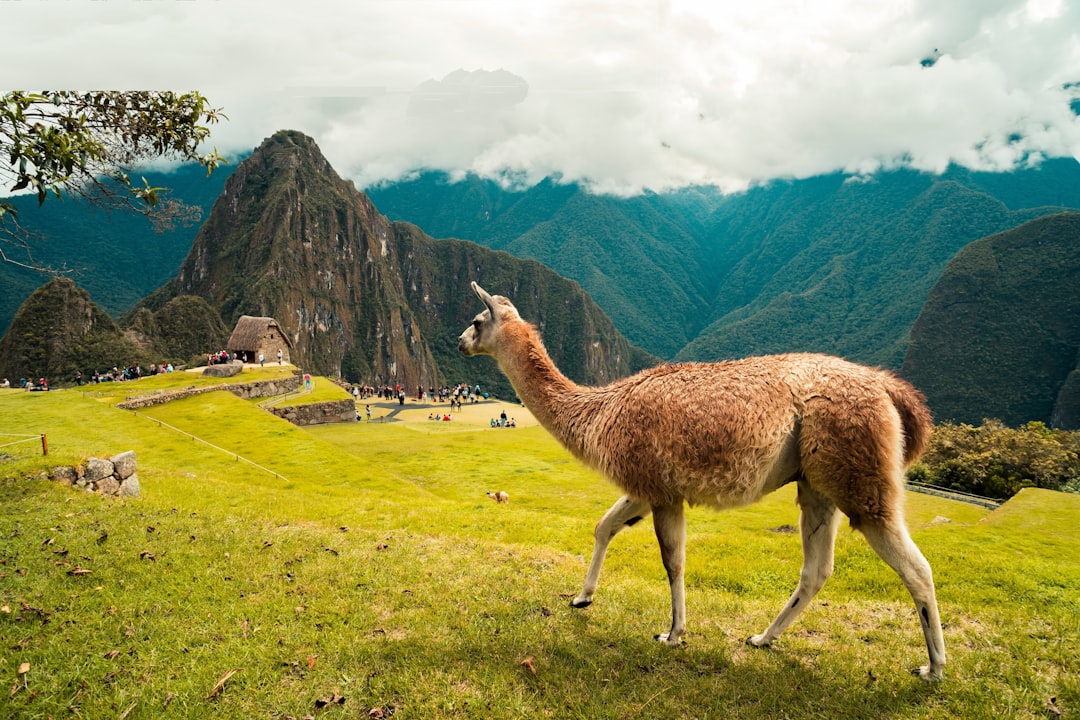
Peru is a land of incredible ancient wonders, vibrant cultures, and breathtaking landscapes. To fully immerse yourself in its magic, understanding how to manage your money and navigate currency exchange is paramount. A little preparation goes a long way in ensuring a smooth and stress-free financial experience throughout your Peruvian adventure.
Understanding Peruvian Currency: The Sol
Before you even step foot in Peru, it’s wise to familiarize yourself with the local tender.
What is the Sol?
Peru's official currency is the Peruvian Sol (PEN), often simply referred to as "Sol." While historically known as "Nuevo Sol," the "Nuevo" was dropped in 2016. The Sol comes in various denominations:
- Banknotes: S/10, S/20, S/50, S/100, and S/200 (though S/200 bills are less common and often harder to break).
- Coins: S/0.10, S/0.20, S/0.50, S/1, S/2, and S/5.
Always ensure your banknotes are in good condition, as torn or heavily worn bills may be rejected by some vendors.
Local Spending Power
Compared to many Western countries, Peru can be quite affordable, especially for essentials like food and local transport. For example, a delicious local lunch (menu del día) might cost you between S/8 and S/20 outside of tourist hotspots. Knowing the value of the Sol will help you budget effectively and avoid overpaying.
Navigating Currency Exchange in Peru
Exchanging your foreign currency for Soles is a crucial part of your financial planning.
Exchanging Cash Before You Go vs. In Peru
While you might be tempted to exchange a small amount of cash before your trip, you'll generally get better exchange rates in Peru itself. It's often recommended to bring US dollars (USD), as they are widely accepted for exchange and offer competitive rates. Euros are also exchangeable but typically at slightly less favorable rates than USD.
Best Places to Exchange Money
Choosing the right place to exchange your cash can save you money and headaches.
- Casas de Cambio (Exchange Houses): These are generally your best bet. Located in most cities and towns, they offer competitive rates and are usually safe and efficient. Always look for official, well-established Casas de Cambio.
- Banks: While safe, banks can have longer queues and sometimes offer slightly less favorable rates than exchange houses. They are a reliable option if no Casas de Cambio are nearby.
- Hotels and Airports: These are convenient but almost always offer the worst exchange rates. Use them only for small amounts in an emergency.
- Street Exchangers ("Cambistas"): These individuals, identifiable by their vests and wads of cash, are common in busy areas. While they might offer seemingly good rates, using them carries a high risk of fraud or being short-changed. It is strongly advised to avoid them.
Tips for Exchanging Cash
- Check Current Exchange Rates: Before exchanging, quickly check the current exchange rates online (e.g., Google or XE.com) to ensure you're getting a fair deal.
- Count Your Money Immediately: Always count your money right at the counter before leaving the Casas de Cambio or bank.
- Use Reputable Establishments: Stick to well-known Casas de Cambio or banks.
- Avoid Large Sums: Don't exchange all your money at once. Exchange smaller amounts as needed to manage risk.
Using ATMs and Credit Cards in Peru
Beyond cash, ATMs and credit cards are essential for managing your funds.
ATMs (Cajeros Automáticos)
ATMs are widely available in major cities and tourist areas.
- Availability: You'll find ATMs from various banks like BCP, BBVA Continental, Scotiabank, and Interbank. Availability diminishes significantly in rural or smaller towns.
- Fees: Be aware of ATM fees. You'll likely face a fee from the Peruvian bank (typically S/15-20 per transaction) and potentially a foreign transaction fee from your home bank.
- Withdrawal Limits: Peruvian ATMs often have daily withdrawal limits, usually around S/400-S/700 per transaction, though you might be able to do multiple transactions.
- Security: Always use ATMs in well-lit, busy areas during the day. Be discreet, and check for any suspicious devices on the card reader.
Credit and Debit Cards
Credit and debit cards are accepted in many places, but not everywhere.
- Acceptance: Visa and Mastercard are the most widely accepted cards at larger hotels, restaurants, supermarkets, and tour agencies in cities. American Express and Diners Club are less common.
- Rural Areas: Expect to rely on cash in smaller towns, local markets, and for street vendors.
- Foreign Transaction Fees: Check with your bank about foreign transaction fees before you travel.
- Notify Your Bank: Inform your bank of your travel dates and destinations to prevent your card from being flagged for suspicious activity and blocked.
Smart Money Tips for Travelers in Peru
A few key practices can make your financial journey in Peru even smoother.
- Carry Small Denominations: Always keep a stash of small bills and coins (S/10, S/20, and coins) for taxis, street vendors, small shops, and tipping. Larger bills (S/50, S/100) are often hard to break.
- Budgeting: Plan your daily expenses for food, transport, activities, and souvenirs to avoid overspending.
- Security: Split your money between different locations (e.g., wallet, money belt, separate bag). Never keep all your cash or cards in one place. Be aware of your surroundings, especially in crowded areas.
- Emergency Fund: Have access to an emergency fund, whether it's a separate credit card, some extra cash, or a digital wallet.
- Digital Payment Apps: While growing, digital payment apps like Yape or Plin are primarily used by locals and not widely available for international travelers yet.
By understanding the Peruvian Sol, knowing the best places for currency exchange, and being smart about using ATMs and credit cards, you’ll be well-prepared to handle your money confidently as you explore the incredible wonders of Peru. Enjoy your journey!