Mastering Money in Oceania: Your Ultimate Currency Exchange Guide
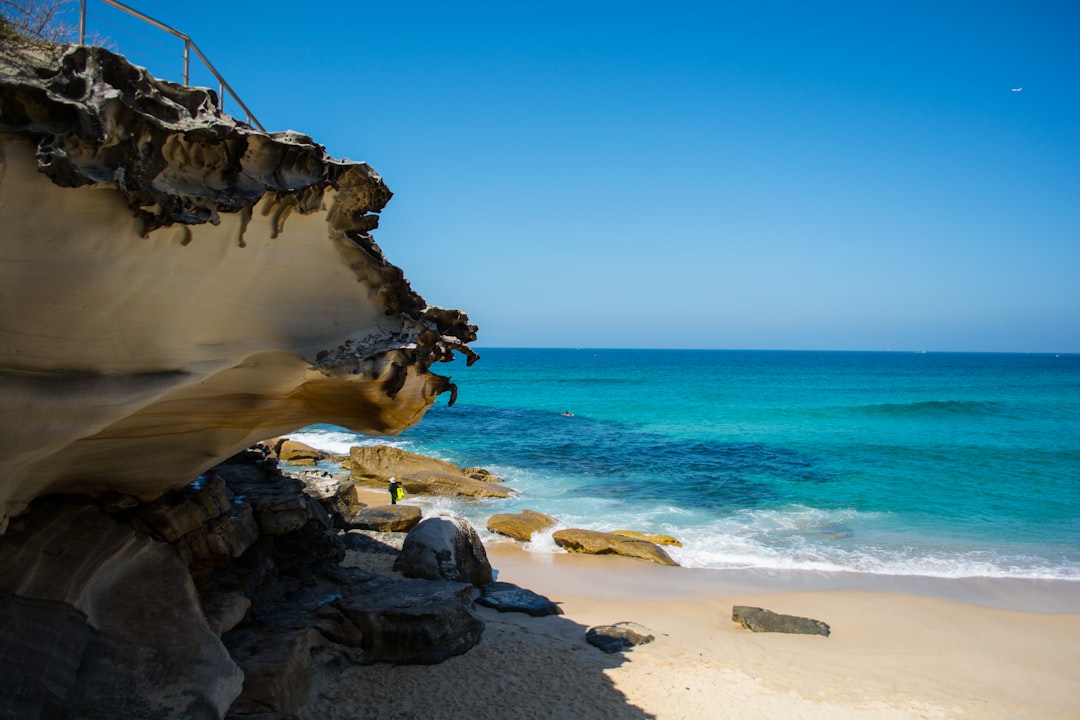
Oceania, a vast region spanning thousands of islands and diverse cultures, offers incredible travel experiences. However, navigating its various currencies and payment systems can be a bit daunting if you're unprepared. This comprehensive guide will equip you with the knowledge to handle money and currency exchange like a pro, ensuring a smooth and stress-free journey across the Pacific.
Navigating Oceania's Diverse Currencies
Oceania is home to numerous independent nations and territories, each with its own currency or a commonly accepted one. Understanding these differences is your first step.
While some major destinations use familiar currencies, many island nations have their own:
- Australian Dollar (AUD): Used in Australia and several smaller island nations like Nauru, Kiribati, and Tuvalu.
- New Zealand Dollar (NZD): The official currency of New Zealand and also used in the Cook Islands, Niue, Pitcairn Islands, and Tokelau.
- Fijian Dollar (FJD): The currency of Fiji, a popular tourist destination.
- Papua New Guinean Kina (PGK): Used in Papua New Guinea.
- Vanuatu Vatu (VUV): The currency of Vanuatu.
- Solomon Islands Dollar (SBD): Used in the Solomon Islands.
- Tongan Paʻanga (TOP): The currency of Tonga.
- Samoan Tala (WST): Used in Samoa.
- CFP Franc (XPF): The currency for French territories in Oceania, including New Caledonia, French Polynesia, and Wallis and Futuna.
Always verify the specific currency for each country you plan to visit before your trip.
Best Ways to Exchange Currency for Your Oceania Trip
Efficiently exchanging your money is crucial for a cost-effective and convenient trip.
ATMs: Your Go-To for Local Currency
Automated Teller Machines (ATMs) are generally the most convenient and often offer the best exchange rates.
- Convenience: Widely available in major cities and tourist hubs across Australia, New Zealand, and larger island nations.
- Better Rates: Exchange rates are typically set closer to the interbank rate compared to physical exchange desks.
-
Fees to Watch For: Be mindful of two types of fees:
- International transaction fees charged by your home bank.
- ATM operator fees charged by the local bank owning the ATM.
- Safety Tip: Use ATMs located inside banks or in well-lit, secure areas. Inform your bank of your travel plans to avoid card suspension.
Banks and Dedicated Currency Exchange Offices
While ATMs are often superior, banks and currency exchange offices can be useful in certain situations.
- Local Banks: You can exchange currency at local banks, though rates may not be as favorable as ATMs.
- Dedicated Exchange Offices: Found in tourist areas, these can offer competitive rates but compare them carefully.
- Avoid Airport Kiosks: Exchange rates at airport kiosks are notoriously poor. Only use them if absolutely necessary for a small amount of initial cash.
Prepaid Travel Cards and Credit/Debit Cards
Plastic money offers security and convenience for many transactions.
- Prepaid Travel Cards: These cards allow you to load funds in a foreign currency (or multiple currencies) before your trip, locking in exchange rates. They are great for budgeting and security as they are not linked to your main bank account.
-
Credit Cards: Widely accepted in hotels, larger restaurants, and shops in more developed areas.
- Foreign Transaction Fees: Many credit cards charge a foreign transaction fee (typically 1-3%). Look for cards that waive these fees.
- Dynamic Currency Conversion (DCC): If offered the option to pay in your home currency, always choose the local currency. DCC often comes with unfavorable exchange rates.
- Debit Cards: Useful for ATM withdrawals, but less universally accepted for direct purchases compared to credit cards, especially in smaller establishments.
Smart Money Management Tips for Oceania Travel
Prudent financial planning will enhance your travel experience.
Cash vs. Cards: Finding the Right Balance
A mix of payment methods is ideal for Oceania.
- Cash is King in remote areas, local markets, smaller guesthouses, and for street vendors. Ensure you have smaller denominations.
- Cards are Convenient for major expenses, booking tours, and staying in larger hotels.
- Always carry some local cash for taxis, small purchases, and emergencies.
Budgeting for Your Oceania Adventure
- Research Costs: Look up average costs for accommodation, food, transportation, and activities for your specific destinations.
- Set Daily Limits: Establish a daily budget for spending.
- Emergency Fund: Always have an extra fund for unforeseen circumstances.
Security and Practical Advice
Protecting your finances while traveling is paramount.
- Notify Your Bank: Inform your bank of your travel dates and destinations to prevent fraud alerts from blocking your cards.
- Multiple Payment Methods: Carry at least two different cards (credit and debit) from different networks (Visa, MasterCard) and some cash. Keep them in separate, secure places.
- Secure Storage: Use a money belt or a secure travel wallet. Avoid carrying large amounts of cash in one place.
- Be Vigilant: Pay attention to your surroundings, especially when using ATMs or handling cash.
- Emergency Contacts: Keep a record of your bank's emergency contact numbers to report lost or stolen cards immediately.
Country-Specific Considerations
The level of banking infrastructure and card acceptance varies significantly across Oceania. In Australia and New Zealand, card payments are ubiquitous. However, in smaller island nations or rural areas, cash will be essential. Always plan to carry enough local currency when venturing off the main tourist routes or visiting less developed islands.
By following these guidelines, you'll be well-prepared to manage your money and currency exchange efficiently, leaving you free to immerse yourself in the natural beauty and vibrant cultures of Oceania.