Unveiling Niger's Hidden Past: Exploring Abandoned Places and Urban Ruins
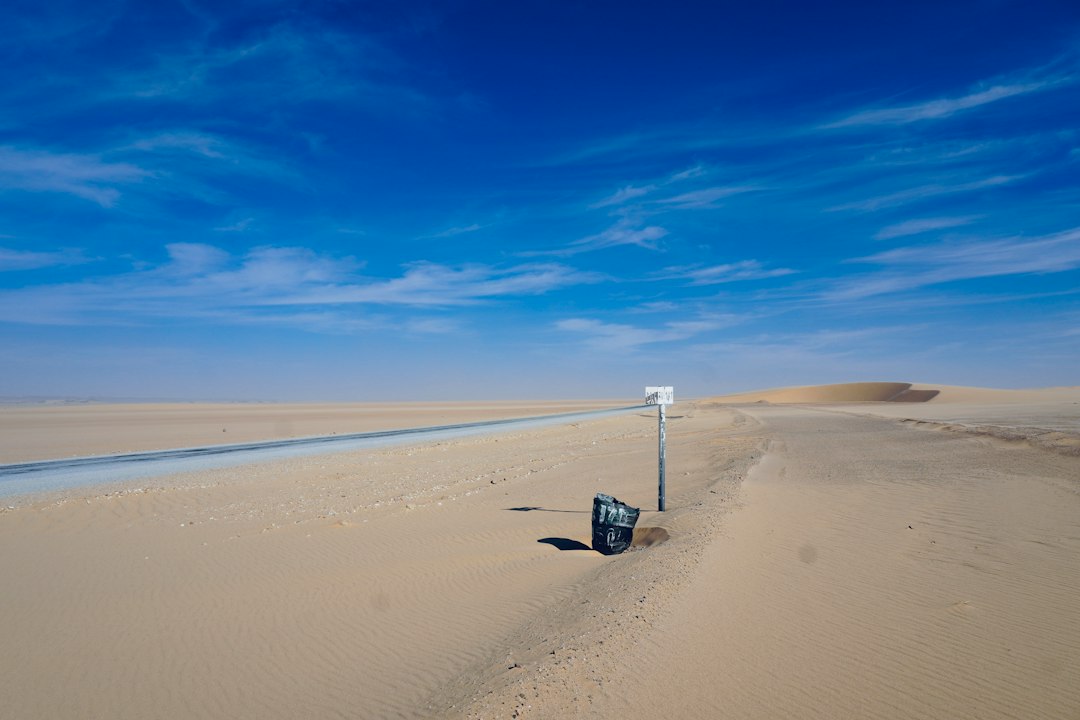
Deep within the vast landscapes of West Africa, Niger holds more than just sprawling deserts and vibrant cultures. It’s a land where time has left its indelible mark, scattering abandoned places and urban ruins across its immense terrain. For the intrepid traveler and the curious historian, exploring Niger's forgotten sites offers a unique, often eerie, but profoundly rewarding journey into its hidden past.
The Allure of Niger's Abandoned Landscapes
The concept of urban exploration (Urbex) often conjures images of decaying factories in industrial nations. However, Niger presents a distinct and captivating narrative. Its abandoned sites are not merely remnants of economic downturns but tell tales of shifting sands, ancient trade routes, colonial ambitions, and the relentless forces of nature. From structures reclaimed by the Sahara to settlements deserted due to environmental changes or socio-political shifts, these ruins offer a tangible connection to the country's complex history and resilient spirit.
What Kinds of Ruins Await Exploration?
Ghost Villages and Deserted Settlements
Throughout Niger, especially in its more arid regions, lie numerous ghost villages and deserted settlements. These are often born from:
- Desertification and Climate Change: Communities forced to relocate as their water sources dried up or fertile lands turned to sand.
- Historical Migrations: Shifts in nomadic routes or tribal movements.
- Economic Decline: Villages losing their primary source of livelihood.
- Conflict and Instability: Areas evacuated due to regional unrest, leaving homes and public buildings empty shells.
Echoes of Colonial History
The era of colonialism left a significant architectural footprint, and many of these structures now stand as abandoned relics. You might discover:
- French Colonial Administrative Buildings: Grand, albeit crumbling, structures in former regional capitals.
- Outposts and Fortifications: Strategic points established to control trade routes or manage local populations.
- Early Infrastructure: Remnants of bridges, wells, or minor industrial facilities.
Modern Relics and Unfinished Dreams
Beyond the ancient and colonial, Niger also features more recent urban ruins. These include:
- Unfinished Construction Projects: Structures abandoned due to lack of funding, political changes, or logistical challenges.
- Defunct Public Buildings: Schools, hospitals, or government offices no longer in use, slowly succumbing to decay. These sites provide a stark commentary on contemporary socio-economic challenges and ambitions.
Why Explore Niger's Forgotten Gems?
A Glimpse into the Past
For history enthusiasts, these abandoned places are living museums. Each crumbling wall and empty doorway whispers stories of the past – of the people who lived there, their struggles, their triumphs, and the forces that ultimately led to their departure. It's an opportunity to engage with Niger's heritage in a profoundly immersive way, beyond textbooks and traditional museums.
A Photographer's Paradise
The visual appeal of urban ruins is undeniable. The interplay of light and shadow on decaying structures, the vibrant hues of the desert reclaiming human endeavor, and the sheer atmospheric quality create unparalleled photographic opportunities. Capturing the raw beauty and solemnity of these forgotten landscapes can result in stunning and thought-provoking imagery.
The Thrill of Discovery
For the adventurous explorer, venturing into Niger's abandoned sites offers a unique kind of thrill. It’s about stepping off the beaten path, encountering the unexpected, and experiencing a sense of profound quietude amidst the remnants of human activity. The sense of discovery, of finding something truly hidden, is a powerful draw for those seeking an alternative travel experience.
Essential Considerations for Urbex in Niger
Safety First
Exploring abandoned sites always comes with inherent risks. In Niger, these risks can be amplified:
- Structural Instability: Buildings may be unstable and prone to collapse.
- Wildlife and Environment: Encounters with desert wildlife, extreme heat, and sandstorms are possibilities.
- Local Conditions: Being aware of the local security situation is paramount.
Respect and Legality
It is crucial to approach urban exploration with respect for the sites and local communities:
- Seek Permission: Whenever possible, obtain permission from local authorities or landowners before entering.
- Leave No Trace: Do not disturb artifacts, graffiti walls, or remove anything from the site. Leave it as you found it.
- Cultural Sensitivity: Be mindful of local customs and beliefs, especially when exploring sites that might hold cultural or spiritual significance.
Logistics and Preparation
Undertaking such an adventure in Niger requires careful planning:
- Local Guides: Engaging knowledgeable local guides is highly recommended for safety, navigation, and cultural insights.
- Supplies: Carry ample water, food, first-aid, and navigation equipment.
- Research: Thoroughly research the sites you plan to visit and the regions you'll be traveling through.
Exploring the abandoned places and urban ruins of Niger is more than just a physical journey; it’s a profound dive into the country's soul, offering untold stories and haunting beauty. For those prepared to embrace the adventure with respect and responsibility, Niger's forgotten landscapes promise an unforgettable experience, revealing layers of history and human resilience hidden beneath the desert sands.