Unveiling Malta's Marine Secrets: Your Ultimate Guide to Dolphin and Whale Watching
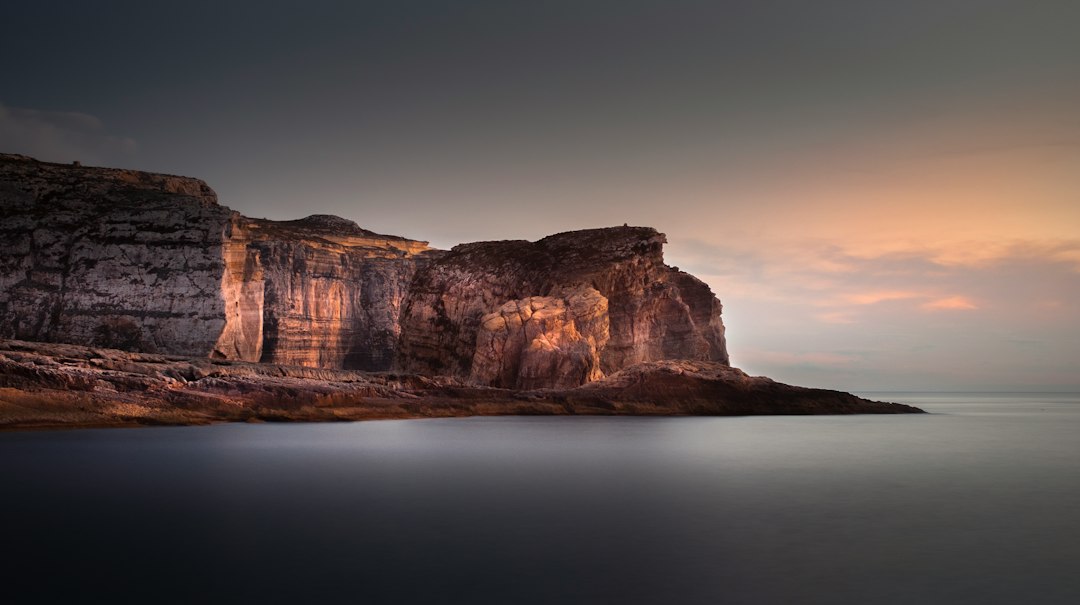
Malta, a sun-drenched archipelago in the heart of the Mediterranean, is renowned for its stunning historical sites, crystal-clear waters, and vibrant culture. But beneath the surface lies another captivating world: a thriving marine ecosystem that offers exciting opportunities for dolphin and whale watching in Malta. While not as famous as some global hotspots, the Maltese waters are part of the vast Mediterranean Sea, a migratory route and home to diverse cetacean species.
Is Malta Truly a Whale and Dolphin Watching Hotspot?
Many travelers are surprised to learn that whale and dolphin watching is a possibility in Malta. While large pods of whales aren't an everyday occurrence just off the coast, the deep waters surrounding the islands, particularly the Maltese trench, provide a crucial habitat and passage for several fascinating species.
The Mediterranean's Rich Waters
The Mediterranean Sea is home to a variety of marine mammals. Its deep troughs and nutrient-rich currents create an environment where dolphins and whales can thrive and migrate. The proximity of the Maltese islands to these deeper waters increases the chances of encountering these magnificent creatures. Local tour operators, experienced in navigating these waters, know the most probable areas for sightings.
Species You Might Encounter
When embarking on a marine safari from Malta, you might be lucky enough to spot:
-
Dolphins:
- Striped Dolphins: The most common species, often seen in large, energetic pods.
- Bottlenose Dolphins: Larger and more robust, often found closer to shore.
- Common Dolphins: While named "common," they are less frequently sighted than striped dolphins in some areas but are still present.
-
Whales:
- Fin Whales: The second-largest whale species globally, they are migratory and sometimes pass through the deeper Mediterranean waters. Sightings are rare but possible, especially further offshore.
- Sperm Whales: These deep-diving giants are also present in the Mediterranean's deep trenches, though sightings are extremely rare and require dedicated expeditions.
- Cuvier's Beaked Whales: Elusive deep-sea dwellers, occasionally seen.
Prime Locations for Marine Encounters in Malta
While dolphin and whale sightings can occur anywhere in the deeper waters around the archipelago, certain areas are more frequently explored by whale and dolphin watching tours.
- The Waters Off the Maltese Coastline: Most tours depart from major harbors like Valletta or Sliema, heading towards the open sea. The journey itself offers breathtaking coastal views.
- South of Malta: This region typically features deeper waters, increasing the likelihood of encountering larger cetaceans like Fin Whales, particularly during their migratory periods.
- Around Gozo and Comino: The channels and open waters surrounding Malta's sister islands are known for frequent dolphin sightings. The scenic backdrop of the Blue Lagoon and Gozo's rugged cliffs adds to the experience.
Essential Tips for a Successful Trip
To maximize your chances of a memorable dolphin and whale watching experience in Malta, consider these tips:
Choosing the Right Tour Operator
- Ethical Practices: Opt for operators who prioritize the welfare of marine life. They should maintain a respectful distance from the animals, avoid sudden movements, and limit interaction time to prevent disturbance.
- Experienced Guides: Look for tours with knowledgeable guides who can provide insights into the marine ecosystem and the species you might encounter.
- Vessel Type: Depending on your preference, choose between larger, more stable catamarans or smaller, faster boats for a more intimate experience.
Best Time to Go
The best time for dolphin and whale watching in Malta is generally from spring to early autumn (April to October). The calmer seas and warmer weather during these months make for more comfortable boat trips and clearer visibility. Mornings are often preferred as the sea tends to be calmer.
What to Bring
- Sunscreen and Hat: The Mediterranean sun can be intense.
- Camera: To capture those unforgettable moments (a good zoom lens is a plus!).
- Binoculars: For spotting distant marine life.
- Light Jacket: Even on warm days, it can get breezy on the open water.
- Seasickness Medication: If you're prone to motion sickness.
Patience is Key
Remember, wildlife sightings are never guaranteed. Dolphins and whales are wild animals in their natural habitat. Embrace the journey and the beauty of the Mediterranean Sea. Even without a major sighting, the experience of being out on the water, scanning the horizon for signs of life, is an adventure in itself.
Embark on an unforgettable journey into Malta's aquatic realm. With a little luck and the right approach, you could witness the magic of dolphins leaping and, perhaps, even the majestic presence of a whale gracing the azure waters of the Mediterranean.