Unforgettable Encounters: Your Guide to Whale & Dolphin Watching in Hong Kong
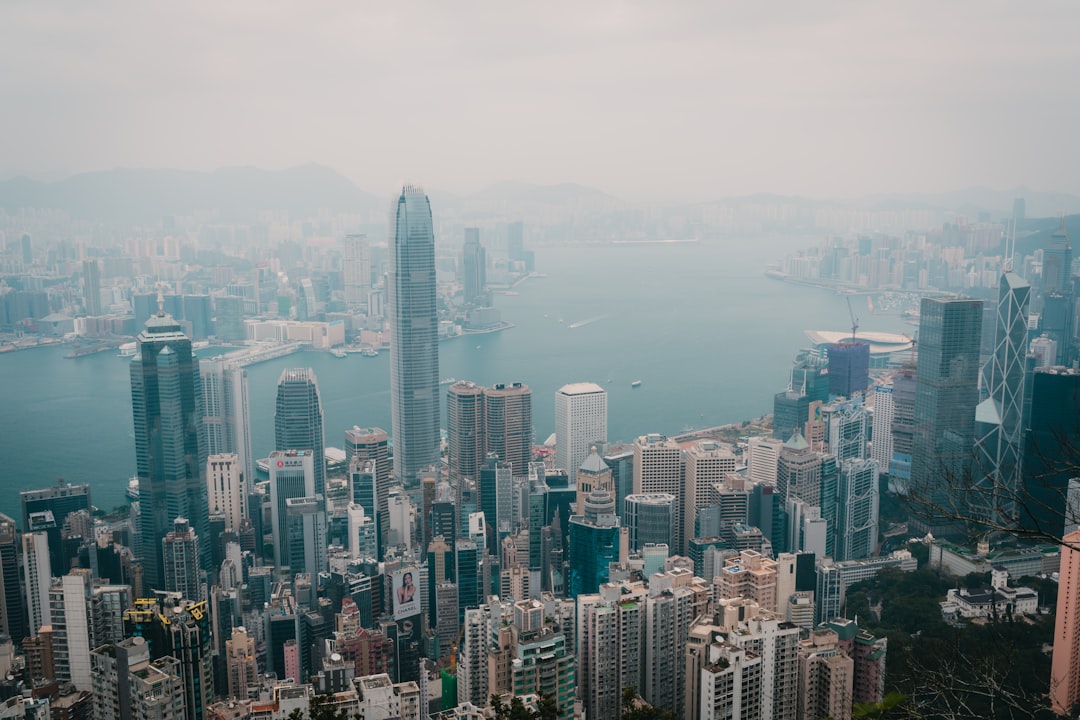
While Hong Kong is globally renowned for its bustling cityscape and towering skyscrapers, it also harbours a secret marine world teeming with life. Beyond the urban sprawl lies an ecosystem rich enough to offer incredible whale and dolphin watching opportunities, primarily featuring the beloved Chinese White Dolphin, affectionately known as the Pink Dolphin. Discover where and how to experience these majestic creatures in their natural habitat.
Hong Kong's Iconic Marine Residents: The Pink Dolphins
The Chinese White Dolphin (Sousa chinensis) is the true star of Hong Kong's marine wildlife scene. These captivating mammals are famous for their unique pink hue, which develops with age, contrasting against their usual grey at birth. They are a crucial indicator of the health of the local marine environment.
Understanding the Chinese White Dolphin
- Habitat: Primarily found in the waters of the Pearl River Estuary, which flows into the waters surrounding Lantau Island.
- Appearance: Young dolphins are typically dark grey, gradually turning white with pink spots, and eventually becoming entirely pink as they mature. This coloration is due to blood vessels visible through their pale skin, aiding in thermoregulation.
- Conservation Status: Unfortunately, they are an endangered species, facing threats from habitat loss, pollution, and increased marine traffic. Responsible viewing is paramount.
Prime Locations for Dolphin & Whale Encounters
The waters to the west and north of Lantau Island are historically the most reliable areas for dolphin sightings in Hong Kong. While whale sightings are considerably rarer and more opportunistic, dolphins are a regular presence for those who know where to look.
Around Lantau Island & the Pearl River Estuary
- North Lantau Waters: This area, particularly near the Hong Kong International Airport and the fishing village of Tai O, is where the Pink Dolphins are most frequently spotted. The estuary provides a rich food source and shallower waters they prefer.
- South Lantau Waters: While less common than the north, dolphins can occasionally be seen in the clearer waters further south, especially during calmer weather.
- Urmston Road: This channel, separating Lantau from the mainland, is another key transit route for marine life.
Other Potential Sightings (Rarer Whales)
While whale watching in Hong Kong is not a primary industry due to infrequent sightings, there have been occasional reports of larger cetaceans, such as fin whales or Bryde's whales, in deeper offshore waters. These are typically rare and unpredictable events. For guaranteed marine mammal encounters, focus on the Pink Dolphins.
Maximizing Your Whale & Dolphin Watching Experience
To ensure a successful and ethical experience, preparation and choosing the right operator are key.
Choosing a Reputable Tour Operator
- Eco-friendly Practices: Select operators committed to sustainable tourism and dolphin-friendly practices. This includes maintaining safe distances, not disturbing the animals, and adhering to strict codes of conduct.
- Experienced Guides: Look for tours with knowledgeable guides who can provide insights into dolphin behaviour, conservation efforts, and the local marine environment.
- Small Group Tours: These often provide a more intimate experience and less disturbance to the dolphins.
- Conservation Contributions: Some operators actively contribute to marine conservation initiatives, which is a great bonus.
Best Time to Go
- Seasons: While dolphins can be seen year-round, spring and autumn often offer more comfortable weather and calmer seas.
- Time of Day: Early mornings and late afternoons can sometimes be ideal, as the waters are often calmer. Always check weather forecasts before booking.
What to Bring
- Binoculars: Enhance your viewing experience and spot dolphins from a distance.
- Camera with Zoom Lens: Capture amazing moments (without flash!).
- Sun Protection: Hat, sunglasses, and eco-friendly sunscreen are essential for boat trips.
- Water Bottle: Stay hydrated.
- Motion Sickness Medication: If you are prone to seasickness.
Responsible Viewing & Conservation
The future of Hong Kong's Pink Dolphins relies heavily on responsible tourism and concerted conservation efforts. Always follow your guide's instructions and maintain a respectful distance from the animals. Support initiatives aimed at reducing marine pollution and protecting their crucial habitat. By doing so, you contribute to ensuring these magnificent creatures continue to thrive in Hong Kong's waters for generations to come.
Embark on an unforgettable journey to witness the magical Pink Dolphins and other potential marine life, adding a unique, natural dimension to your Hong Kong adventure.