Understanding Papua New Guinea: Essential Cultural Etiquette for Tourists
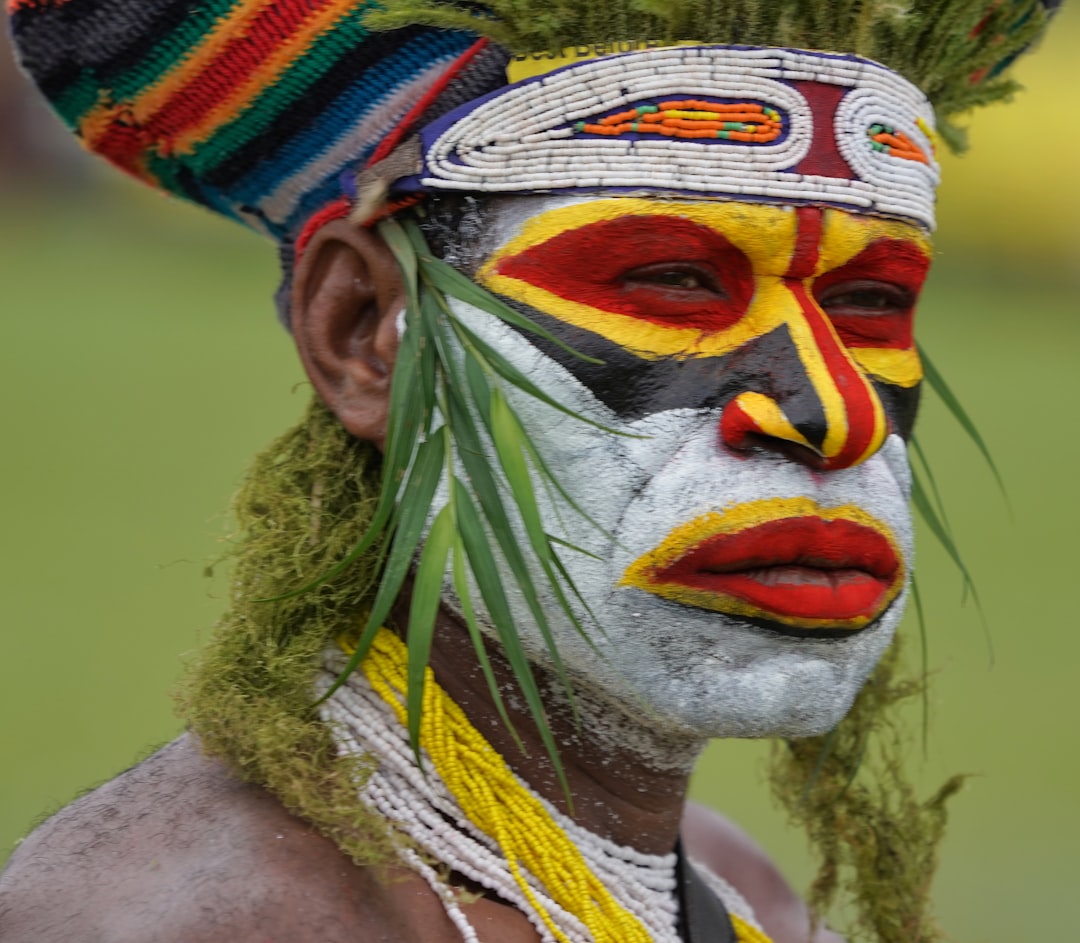
Papua New Guinea (PNG) is a land of incredible diversity, boasting over 800 indigenous languages and countless distinct cultural groups. This vibrant nation offers an unparalleled adventure for the intrepid traveler, but to truly appreciate its richness and ensure a positive experience for both visitors and locals, understanding and respecting cultural etiquette is paramount. This guide provides essential insights for tourists navigating the unique customs of PNG.
Why Cultural Understanding Matters in PNG
PNG's societies are deeply rooted in tradition and community. Failing to observe local customs can inadvertently cause offense, lead to misunderstandings, or even jeopardize your safety and the warmth of local hospitality. By approaching your visit with respect, patience, and a willingness to learn, you'll open doors to authentic connections and unforgettable moments.
General Principles for Interaction
While customs vary significantly from region to region, some core principles apply across much of PNG:
- Respect is Key: Always show respect for elders, community leaders, local traditions, and sacred sites.
- Patience and Observation: Things often operate on "island time." Be patient, observe how locals interact, and follow their lead.
- Humility: Avoid boastful behavior or appearing overly materialistic. Simplicity and humility are valued.
Key Areas of Cultural Etiquette
Greetings and Communication
- Handshakes: A firm handshake is a common and appropriate greeting, often accompanied by a smile.
- Eye Contact: Direct eye contact is generally acceptable, but in some contexts, it might be interpreted differently. Observe local cues.
- Addressing People: Use Mr./Ms. or Sir/Madam until invited to use first names.
- "Tok Pisin": Learning a few basic phrases in Tok Pisin, one of PNG's official languages, can go a long way. Simple greetings like "Guten morning" (good morning) or "Tenkyu tru" (thank you very much) are highly appreciated.
Dress Code
Modesty is crucial, especially outside of major towns and resorts.
- Women: Should cover their shoulders and knees. Avoid shorts, mini-skirts, and low-cut tops. Loose-fitting trousers or long skirts are ideal.
- Men: While shorts are sometimes worn, long trousers and shirts are generally more respectful, especially in villages or formal settings.
- Swimming: Always wear a modest swimsuit. Avoid public nudity or scanty swimwear, even on beaches.
Photography Etiquette
- Always Ask Permission: This is perhaps the most important rule. Never take photos of people, especially children, without first asking for and receiving explicit permission. A simple nod or "yes" is usually sufficient.
- Be Prepared for "No": If someone declines, respect their decision immediately and without argument.
- Sacred Sites: Be extremely cautious about photographing any structures, carvings, or areas that appear to be of cultural or religious significance. Explicit permission is essential.
- Offer to Share: If possible, offer to show the person their photo on your camera.
Gift Giving
- Thoughtful, Not Extravagant: Small, practical gifts are appreciated, especially when visiting villages. Items like stationery, tinned fish/meat, tobacco, or rice are often well-received. Avoid expensive gifts that might create jealousy or a sense of obligation.
- Method of Giving: Always give and receive gifts, and generally handle items, with your right hand.
- Reciprocity: Do not expect a gift in return, though it might sometimes happen.
Village Visits
- Seek Permission: If you wish to visit a village, it's customary to seek permission from the village chief or elders upon arrival. Your local guide will facilitate this.
- Respect Boundaries: Be aware of personal space and any areas that are off-limits (e.g., men's houses, women's sacred areas).
- Participation: Participate if invited, but otherwise, be a respectful observer.
Food and Drink Etiquette
- Accepting Hospitality: If offered food or drink, it is polite to accept, even if you only take a small portion.
- Sharing: Food is often shared communally. Wait to be shown where to sit and how to partake.
- Eating Utensils: While forks and spoons are common, eating with your right hand is also customary, particularly in rural areas.
Final Thoughts for Responsible Tourism
Engaging with the local culture is one of the most rewarding aspects of visiting Papua New Guinea. By embracing these cultural etiquette guidelines, you not only ensure a respectful and harmonious journey but also contribute positively to the local communities. Consider hiring local guides, whose insights are invaluable, and always strive to leave a positive footprint on this extraordinary land. Your mindful approach will unlock an authentic PNG experience unlike any other.