Showdown in Hollywood: The Battle for Fairness, Residuals, and AI Protections
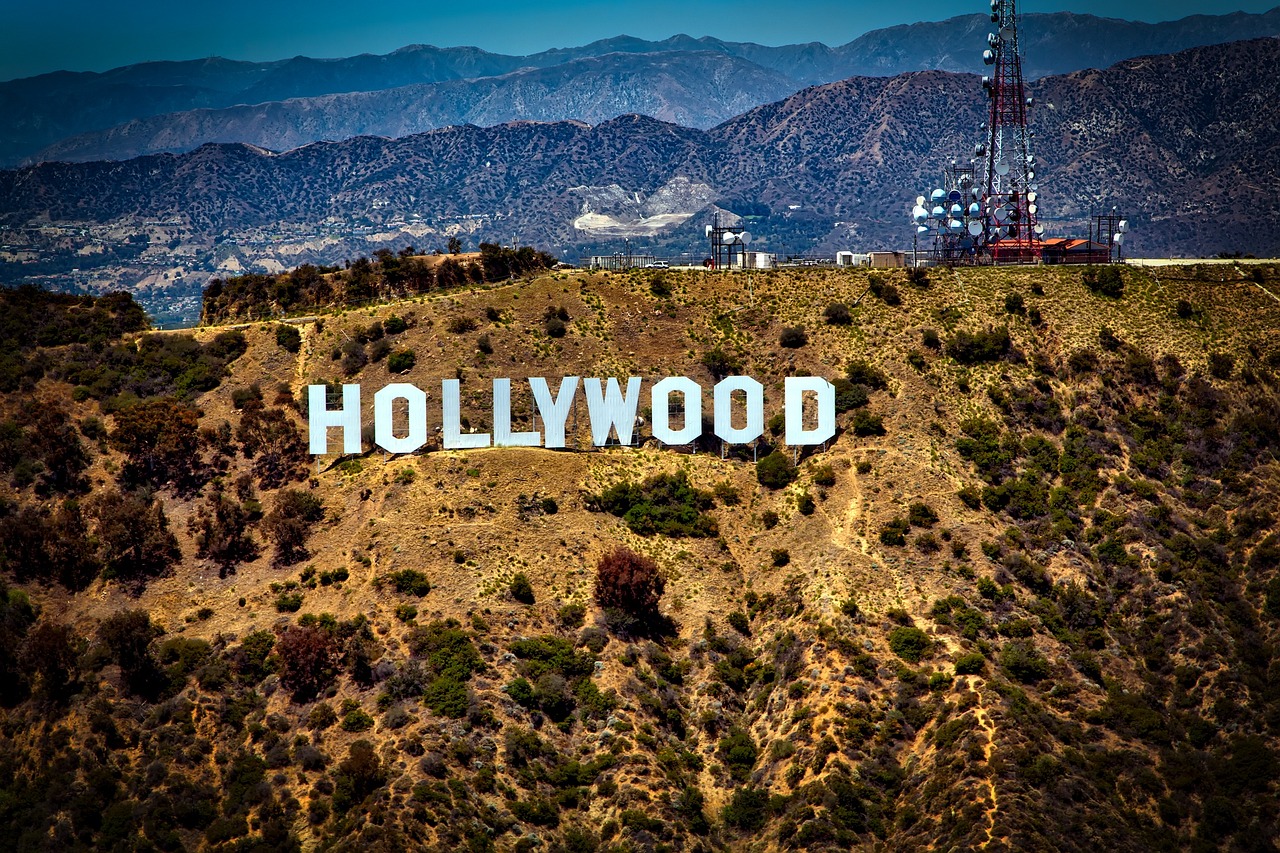
The Writers Guild of America (WGA) and the Screen Actors Guild (SAG) are locked in a fierce standoff, leaving the entertainment industry at a standstill. For the first time since 1960, these powerful unions have joined forces in an effort to secure improved residual payments and increased protections against the rise of AI. As the strike continues, the future of the industry hangs in the balance, and it seems that neither side is willing to back down.
At the heart of the dispute are two crucial issues that have eluded resolution: the treatment of residual payments and the impact of artificial intelligence on the industry. The current residual structure follows a tier system, meaning all programs on a platform, regardless of popularity, receive the same compensation. The unions argue that a success metric should be applied instead, wherein actors involved in highly popular streaming series should receive a fair share of the subscription revenue generated by the platform.
Adding to the complexity of the negotiations is a potential division among major studios. The Alliance of Motion Picture and Television Producers (AMPTP) requires consent consensus to reach decisions, making it necessary for all major studios to agree. If even one major studio dissents, the negotiations may collapse, leading to further delays in resolving the issues at hand.
As the strike continues, its ramifications become increasingly widespread, with impacts felt beyond Hollywood's borders. Productions like Peacock's "Apples Never Fall" and "Mortal Kombat 2" have halted in Queensland, leaving both Screen Actors Guild and non-SAG members of the cast and crew out of work.
The strike has garnered immense support from the unions' members, including some of Hollywood's most recognizable faces, such as Kevin Bacon, Susan Sarandon, Aubrey Plaza, Jason Sudeikis, and Mark Ruffalo. The presence of these stars on picket lines serves as a powerful statement, although it remains uncertain how much influence it will have on the negotiations.
Notably, Hollywood icon Tom Cruise had previously made efforts to mediate between the unions and AMPTP, urging the latter to understand the unions' concerns. Despite his involvement, the strike proceeded, and there have been reports that Cruise also made a plea for actors to be allowed to promote their projects during the strike, which was ultimately denied by the union.
However, the Screen Actors Guild has granted approval for 39 independent productions to continue shooting and promoting their work during the strike, provided they have no association with AMPTP companies. This move aims to mitigate the challenges faced by actors and crews while ensuring that non-AMPTP affiliated projects can proceed.
As the strike's duration remains uncertain, questions arise concerning the welfare of actors facing financial hardship during this period. The Screen Actors Guild has established an emergency assistance fund and has contributed significantly to support members in need. This fund aims to aid members with financial assistance, including rent payments and health insurance premiums, making it clear that the union is committed to seeing the strike through to the end.
The longer the Hollywood shutdown persists, the more profound its impact on the entertainment industry and the livelihoods of its workers. Both sides are steadfast in their demands, and finding common ground seems elusive at this point. As audiences anxiously await a resolution, it remains to be seen how this historic strike will unfold and shape the future landscape of Hollywood. Only time will tell if a fair deal can be reached, one that satisfies the concerns of both the industry's talent and its powerful production houses.