How to Plan a Sustainable Itinerary for Norway
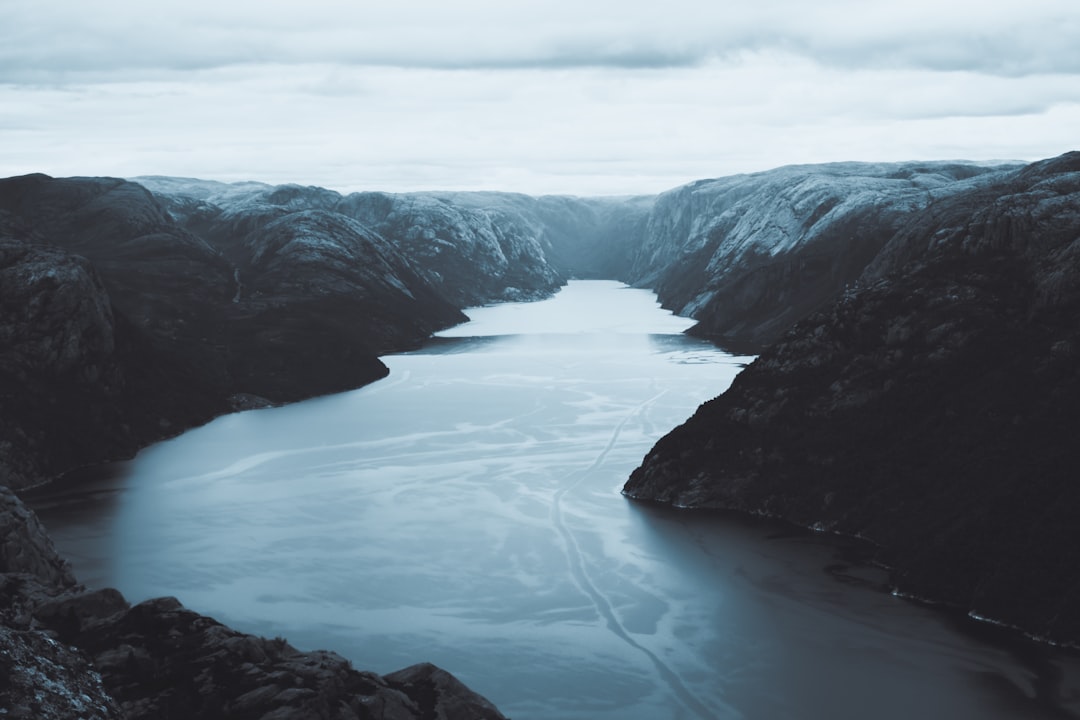
Norway, a land of breathtaking fjords, majestic mountains, and vibrant cities, beckons travelers worldwide. But as its popularity grows, so does the importance of preserving its pristine natural beauty and unique culture. Planning a sustainable itinerary for Norway isn't just a trend; it's a commitment to responsible travel that benefits both the environment and local communities. This guide will help you craft an unforgettable and eco-friendly Norwegian adventure.
Why Choose Sustainable Travel in Norway?
Norway consistently ranks among the world's most environmentally conscious countries. Its dedication to sustainability is evident in its advanced infrastructure, conservation efforts, and the respectful attitude of its people towards nature. By embracing sustainable travel, you contribute to:
- Preserving Natural Wonders: Protecting Norway's iconic landscapes, from the Geirangerfjord to the Lofoten Islands, for future generations.
- Supporting Local Economies: Directing your spending towards local businesses, artisans, and communities, fostering economic resilience.
- Authentic Experiences: Engaging more deeply with Norwegian culture and its people, often discovering hidden gems away from mass tourism.
- Reducing Your Carbon Footprint: Minimizing environmental impact through conscious choices in transport, accommodation, and activities.
Key Pillars of Sustainable Travel Planning for Norway
To build a truly sustainable Norway itinerary, consider these fundamental areas:
Transportation Choices
Your travel method significantly impacts your environmental footprint. Norway offers excellent green transport solutions.
-
Embrace Public Transport: Norway boasts an extensive and efficient network of trains, buses, and ferries.
- The Bergen Railway offers stunning scenic journeys.
- Electric ferries provide silent, emission-free fjord cruises.
- Intercity buses connect many regions.
- Consider Electric Vehicles (EVs): Norway has the highest per capita EV adoption globally, with a robust charging infrastructure. Renting an electric car for specific routes can be a sustainable option.
- Walk and Cycle: Many towns and cities are highly walkable and bike-friendly. Hiking is a quintessential Norwegian experience.
- Minimize Flights: While necessary for long distances, opt for direct flights where possible to reduce emissions from layovers. For in-country travel, prioritize trains or buses over domestic flights.
- Practice Slow Travel: Instead of rushing through multiple destinations, spend more time in fewer places. This reduces transit and deepens your connection.
Accommodation Options
Where you sleep can also make a difference. Look for businesses committed to eco-friendly practices.
- Choose Eco-Certified Hotels: Many hotels in Norway have eco-labels like the Swan Ecolabel or Green Key. These signify efforts in energy efficiency, waste reduction, and sustainable sourcing.
- Support Local Guesthouses and Cabins: Staying in smaller, locally owned establishments often means your money stays within the community and supports local families.
- Mindful Consumption: Regardless of where you stay, minimize your waste, conserve water, and turn off lights and heating when leaving your room.
Activities and Experiences
Your choices of activities can profoundly impact the environment and local culture.
- Opt for Eco-Tourism Operators: Seek out companies offering sustainable tours – those focused on small groups, respecting wildlife, and educating participants on local conservation efforts.
- Respect Wildlife and Nature: When hiking or exploring, stay on marked trails, avoid disturbing animals, and never leave any litter behind. Learn and practice the "Leave No Trace" principles.
- Engage in Cultural Immersion: Participate in local festivals, visit museums, or take a cooking class. Hire local guides who can offer authentic insights and share their heritage responsibly.
- Avoid Over-Tourism Hotspots During Peak Season: If possible, visit popular sites like Pulpit Rock or Trolltunga during the shoulder seasons (spring or autumn) to reduce congestion and environmental strain.
Food and Local Support
Indulge in Norway's culinary delights sustainably.
- Eat Local and Seasonal: Savor Norwegian specialties made from locally sourced, seasonal produce. This reduces food miles and supports local farmers and fishermen.
- Reduce Food Waste: Order consciously and avoid wasting food, especially in buffets.
- Support Local Businesses: Beyond accommodation, buy souvenirs from local artisans, visit farmers' markets, and choose small, independent shops.
Waste Management and Resource Conservation
Your personal habits contribute to the larger picture.
- Reduce Plastic Usage: Carry a reusable water bottle (tap water in Norway is excellent and safe to drink) and a reusable shopping bag.
- Recycle Properly: Familiarize yourself with local recycling systems. Norway has efficient recycling programs.
- Conserve Water and Energy: Be mindful of your consumption of water and electricity throughout your trip.
Crafting Your Sustainable Norway Itinerary: Practical Steps
- Research Thoroughly: Before you go, look for eco-labels on hotels, tour operators, and even restaurants. Many Norwegian tourism websites highlight sustainable options.
- Plan Your Route Logistically: Group destinations that are easily connected by public transport. Embrace longer travel times as part of the experience.
- Embrace "Friluftsliv": Norway's concept of "open-air living" encourages connecting with nature respectfully. This mindset is key to responsible outdoor recreation.
- Pack Light and Smart: Bring versatile clothing, a reusable water bottle, a small tote bag, and any personal items to minimize purchasing disposables.
- Learn a Few Phrases: A simple "Takk" (thank you) or "Hallo" (hello) can go a long way in connecting with locals and showing respect for their culture.
Embarking on a journey through Norway offers unparalleled beauty and adventure. By consciously choosing a sustainable travel approach, you ensure that your exploration not only enriches your life but also helps preserve this incredible destination for generations to come. Your eco-friendly Norway itinerary will be a testament to responsible tourism.