How to Plan a Sustainable Itinerary for Montenegro
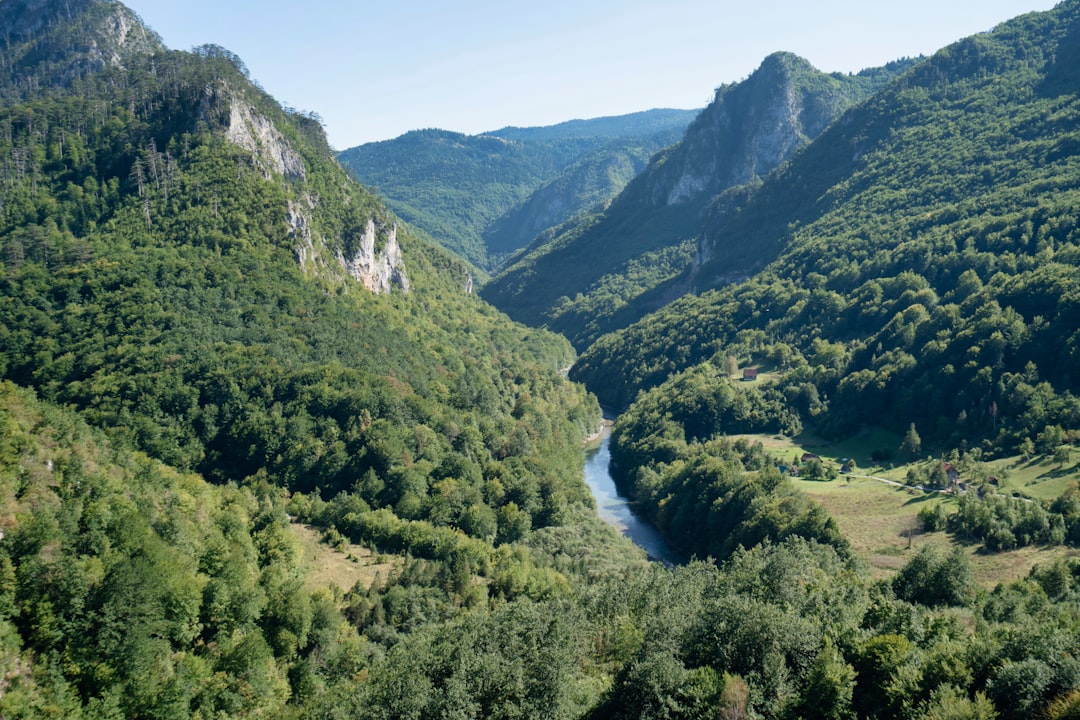
Montenegro, the jewel of the Adriatic, boasts rugged mountains, ancient villages, and a stunning coastline. As its popularity grows, so does the importance of preserving its pristine natural beauty and rich cultural heritage. Planning a sustainable itinerary for Montenegro isn't just a trend; it's a commitment to responsible travel that benefits both visitors and local communities. This guide will help you craft an unforgettable, eco-friendly journey through this Balkan wonder.
Understanding Sustainable Travel in Montenegro
Sustainable travel focuses on minimizing negative impacts while maximizing positive contributions to the environment, society, and economy of a destination. For Montenegro, this means respecting its diverse ecosystems, supporting local businesses, and immersing yourself in its authentic culture without causing harm. It's about making conscious choices that ensure Montenegro remains vibrant for future generations.
Why Prioritize Eco-Friendly Travel in Montenegro?
- Protecting Biodiversity: Montenegro is home to five national parks, including Durmitor and Lake Skadar, brimming with unique flora and fauna. Sustainable practices help safeguard these delicate ecosystems.
- Supporting Local Economies: Choosing locally owned accommodations, restaurants, and tour operators directly benefits Montenegrin families and communities.
- Preserving Cultural Heritage: Engaging respectfully with local customs, traditions, and historic sites helps maintain the country's unique identity.
- Enhancing Your Experience: Sustainable travel often leads to more authentic and meaningful interactions, offering deeper insights into the destination.
Key Pillars for Your Eco-Friendly Montenegrin Adventure
Crafting a sustainable Montenegro itinerary involves thoughtful decisions across several aspects of your trip.
1. Mindful Transportation Choices
Reducing your carbon footprint starts with how you move around.
- Public Buses: Montenegro has a decent bus network connecting major towns like Kotor, Budva, Podgorica, and national parks. It's an affordable and more environmentally friendly option than private cars.
- Train Journeys: While limited, the scenic Belgrade-Bar railway offers a unique experience for longer distances within the country or for arrival.
- Walking & Cycling: For exploring towns or national parks, walking and cycling are ideal, offering intimate engagement with your surroundings. Many coastal towns are easily walkable.
- Car Rentals: If a car is necessary for remote areas, consider eco-friendly car rental options or carpooling to reduce emissions.
2. Eco-Conscious Accommodation
Where you stay plays a significant role in your trip's sustainability.
- Guesthouses & Family-Run Stays: Opt for accommodations owned and operated by locals. These often provide authentic experiences and directly support the community.
- Certified Eco-Hotels: Look for hotels that demonstrate commitments to sustainability through waste reduction, energy efficiency, and local sourcing.
- Rural Retreats (Ethno Villages): Staying in traditional "ethno villages" or farm stays offers a glimpse into rural Montenegrin life and often champions sustainable practices.
3. Engaging in Responsible Activities
Choose activities that enrich your experience without compromising the environment or culture.
- National Parks & Nature Reserves: Visit Montenegro's national parks responsibly. Stick to marked trails, pack out all your trash, and do not disturb wildlife. Consider hiring local guides for hikes in Durmitor or explorations of Lake Skadar.
- Supporting Local Guides & Artisans: Engage guides from the local community for excursions. Purchase handicrafts and souvenirs directly from local artisans to support traditional crafts and fair wages.
- Cultural Immersion: Participate in local cooking classes, attend traditional festivals, or visit historical sites with respect. Avoid activities that exploit animals or degrade local culture.
- Ethical Wildlife Encounters: Opt for reputable tours that observe wildlife from a distance and do not interfere with natural habitats.
4. Savoring Sustainable Montenegrin Cuisine
Food is a cornerstone of culture, and responsible eating is a delicious way to be sustainable.
- Local Markets: Frequent local farmers' markets for fresh, seasonal produce. It's an excellent way to taste authentic Montenegrin flavors and support local agriculture.
- Traditional Restaurants (Konobas): Dine at family-run "konobas" (taverns) that source ingredients locally. Try traditional dishes like kajmak, pršut, and fresh seafood from the Adriatic.
- Reducing Waste: Carry a reusable water bottle and refill it. Say no to single-use plastics where possible and sort your waste appropriately.
5. Minimizing Your Environmental Footprint
Small actions can make a big difference when planning a sustainable itinerary for Montenegro.
- Waste Management: Montenegro is improving its waste infrastructure, but litter remains an issue in some areas. Be extra diligent about reducing waste and disposing of trash properly.
- Water Conservation: Be mindful of your water usage, especially in coastal regions where fresh water can be a precious resource.
- Energy Efficiency: Turn off lights and air conditioning when leaving your accommodation. Unplug chargers when not in use.
Crafting Your Sustainable Montenegro Itinerary: Ideas & Inspiration
Here are some ideas to integrate sustainable practices into your journey through Montenegro's diverse regions.
Coastal Charm: Eco-Adventures by the Adriatic
- Kotor Bay: Explore the UNESCO World Heritage site of Kotor on foot, ascend the city walls for breathtaking views, and enjoy local seafood at waterfront eateries. Take a sustainable boat tour that respects marine life.
- Ulcinj Salina: Visit this important bird habitat for birdwatching, supporting its conservation efforts. Stay in an eco-lodge or local guesthouse in the nearby town of Ulcinj.
Mountain Majesty: Green Escapes in the Dinaric Alps
- Durmitor National Park: Hike or cycle through this stunning park. Engage certified local guides for trekking Mount Bobotov Kuk or rafting on the Tara River Canyon, ensuring safe and responsible exploration.
- Biogradska Gora National Park: Discover one of Europe's last primeval forests. Stay in eco-friendly bungalows or nearby ethno villages, enjoying traditional meals sourced from local farms.
Lake Skadar Serenity: Biodiversity & Culture
- Sustainable Boat Tours: Explore Lake Skadar, Europe's largest bird reserve, via traditional wooden boats operated by locals. Opt for tours that focus on wildlife observation without disturbance.
- Vineyard Visits: Cycle through the Crmnica wine region, visiting small, family-owned wineries for tastings and directly supporting local viticulture.
Practical Tips for Your Green Trip
- Learn Basic Phrases: A few words in Montenegrin (e.g., Zdravo - Hello, Hvala - Thank you) go a long way in showing respect and fostering positive interactions.
- Respect Local Customs: Dress modestly when visiting religious sites and be mindful of local etiquette.
- Pack Smart: Bring reusable items like bags, water bottles, and coffee cups. Choose eco-friendly toiletries and pack light to reduce transport emissions.
- Stay Informed: Research your chosen activities and accommodations to ensure they align with sustainable practices.
Embrace Sustainable Travel in Montenegro
By consciously choosing how you travel, where you stay, what you eat, and how you engage, you can ensure your Montenegro adventure is not only unforgettable for you but also beneficial for the destination itself. Embrace the spirit of responsible tourism and contribute to safeguarding Montenegro's unparalleled beauty for generations to come. Start planning your sustainable Montenegro itinerary today and experience the magic responsibly!