How to Find the Best Local Street Art in Guinea-Bissau
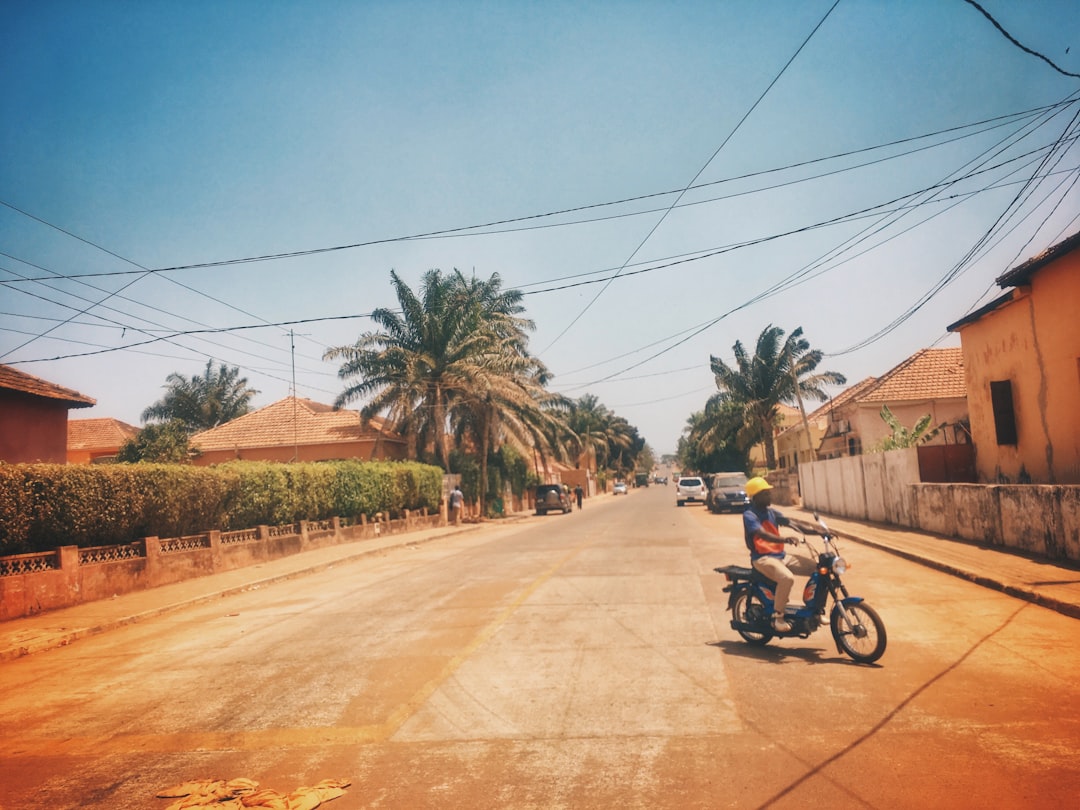
Guinea-Bissau, a vibrant West African nation, is a treasure trove of culture and history. While often overlooked for its artistic scene, its bustling cities and towns are quietly becoming canvases for incredibly expressive street art and murals. For the intrepid traveler and art enthusiast, discovering these urban masterpieces offers a unique lens into the nation's soul.
Uncovering Guinea-Bissau's Hidden Artistic Gems
Forget the conventional galleries; the true art pulse of Guinea-Bissau often beats on its public walls. From intricate graffiti to powerful social commentary murals, the streets tell stories. Exploring this outdoor gallery provides not just aesthetic pleasure but also a deeper understanding of local perspectives, history, and daily life.
Why Explore Street Art in Guinea-Bissau?
- Cultural Immersion: Witness direct reflections of Bissau-Guinean culture, traditions, and contemporary issues.
- Local Stories: Many pieces depict historical events, folk tales, or celebrate national heroes.
- Support Local Talent: Recognizing these artists shines a light on their often-underappreciated contributions.
- Off-the-Beaten-Path Experience: Discover parts of cities and towns you might otherwise miss.
Where to Look: Prime Locations for Urban Art
While street art can pop up anywhere, certain areas are more likely to be hotspots for these vibrant expressions. The capital city, Bissau, is undoubtedly the epicenter.
Bissau: The Epicenter of Urban Expression
- Bandim Market Area: The vibrant chaos around Bandim Market is often adorned with compelling pieces. Keep an eye out on surrounding walls and alleyways. The energy of the market itself often inspires bold imagery.
- Neighborhoods (Bairros): Explore residential areas like Ajuda or Renascença. Artists frequently use walls in their own communities to communicate messages or beautify their surroundings.
- City Center (Centro): While commercial, the older buildings and less frequented streets can sometimes hide older, faded, but historically significant murals. Look particularly around public squares and government buildings for more politically charged works.
- Main Avenues: As you travel along major thoroughfares, keep an eye on larger wall spaces. Sometimes, artists collaborate on expansive murals that are visible from a distance.
Beyond Bissau: Regional Discoveries
While less concentrated, smaller towns and even some rural areas might surprise you with community murals or painted advertisements that double as folk art. In towns like Cacheu or Gabú, these might reflect local traditions, agriculture, or historical figures specific to their regions.
How to Find the Best Pieces: Tips for the Art Hunter
Finding local street art is often about serendipity and observation. However, a few strategies can significantly increase your chances of discovering remarkable works.
Engage with Locals
- Ask Around: The simplest and often most effective method. Speak with shopkeepers, taxi drivers, or market vendors. Many locals are proud of their city's art and can point you to specific locations or artists.
- Community Centers: Check if there are any local cultural or youth centers. They might be involved in art projects or know where recent pieces have appeared.
Walk, Observe, and Explore
- Wander with Purpose: Dedicate specific time to simply walk around the neighborhoods mentioned. Look up, down, and around corners.
- Pay Attention to Detail: Sometimes the most powerful pieces are small stencils or intricate tags that require a closer look.
- Morning Light: Early mornings can be a great time to photograph art, with softer light and fewer crowds.
Leverage Online Resources (If Available)
- Social Media: Search Instagram or Facebook using hashtags like #GuineaBissauArt, #BissauStreetArt, #ArteUrbanaGB, or #GrafiteBissau. While a niche topic, you might find posts from travelers or local enthusiasts.
- Local Blogs/Forums: Although less common for Guinea-Bissau, a quick online search might reveal travel blogs or local forums discussing points of interest, including art.
Understanding the Art: Themes and Styles
The street art scene in Guinea-Bissau, like much of Africa, is deeply interwoven with its socio-political landscape and rich cultural heritage.
Common Themes
- National Identity and Patriotism: Often celebrating independence, national heroes, or the country's unique history.
- Social Commentary: Addressing issues like poverty, education, health, environmental concerns, or political governance.
- Traditional Culture: Depicting daily life, traditional ceremonies, local flora and fauna, or ancestral stories.
- Hope and Resilience: Many pieces convey messages of optimism, community strength, and perseverance.
Artistic Styles
You'll encounter a mix of styles, from elaborate murals commissioned for specific walls to spontaneous graffiti tags and political stencils. The use of vibrant colors is a common thread, reflecting the lively spirit of the nation.
Responsible Exploration and Viewing
As with any cultural exploration, respect and awareness are key when seeking out street art.
- Respect Private Property: Most street art is on public or semi-public walls. Do not trespass on private property to view art.
- Ask Before Photographing People: If people are in your shot, especially close-up, always ask for permission first.
- Support Local Initiatives: If you encounter local artists or art-related projects, consider offering support if appropriate and safe to do so.
- Stay Safe: Always be aware of your surroundings, especially in less touristy areas. Travel in groups if possible, and avoid flashing valuables.
Embark on an urban adventure in Guinea-Bissau and let its streets guide you through a captivating world of color, narrative, and local artistic talent. The stories etched onto its walls await your discovery.