Navigating the Language Barrier in Panama: Your Essential Guide for Smooth Communication
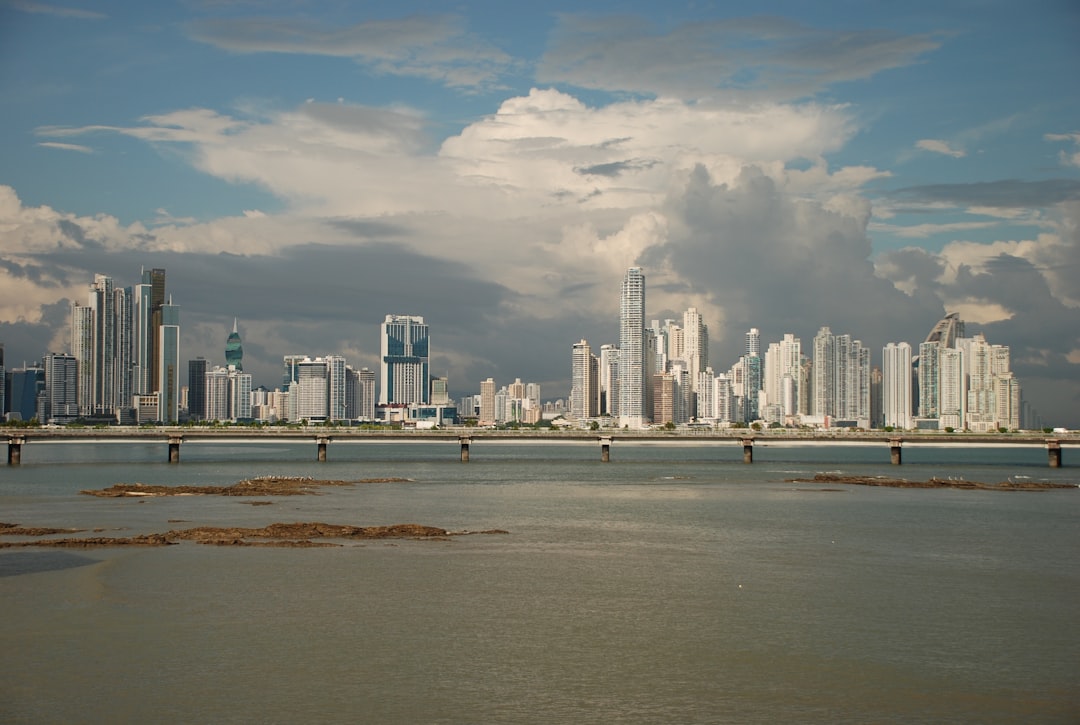
Panama, a vibrant tapestry of lush rainforests, pristine beaches, and bustling cityscapes, beckons travelers and expats alike. From the engineering marvel of the Canal to the historic charm of Casco Viejo, its allure is undeniable. However, for many visitors, the prospect of encountering a language barrier can be a source of apprehension. While English is spoken in some tourist hubs, Spanish remains the official language and the key to truly unlocking the heart of Panamanian culture. Fear not! This guide is designed to equip you with the tools and confidence to communicate effortlessly, ensuring your Panama experience is nothing short of extraordinary.
Why Mastering Communication in Panama Matters
Understanding and speaking even a little Spanish doesn't just make your trip easier; it profoundly enriches it. Here’s why it’s crucial:
- Deeper Cultural Immersion: Connect with locals on a more personal level, understand their humor, traditions, and way of life.
- Enhanced Travel Experiences: Navigate public transport, order authentic local cuisine, and discover hidden gems far from the typical tourist trails.
- Smoother Relocation & Business: For expats and digital nomads, effective communication is vital for administrative tasks, making friends, and establishing a new life or business.
- Safety and Convenience: Easily ask for directions, seek help in emergencies, or clarify details without misinterpretations.
Panama's Linguistic Landscape: What to Expect
While Spanish is king, Panama is a melting pot of languages.
- Official Language: Panamanian Spanish is the dominant language spoken across the country.
- Indigenous Languages: Several indigenous groups maintain their native languages, such as Guna, Ngäbere, and Emberá, particularly in their respective territories.
- English Proficiency: You'll find English speakers in larger hotels, international businesses, the Panama Canal area, and some expat communities. However, venturing outside these bubbles will quickly highlight the need for Spanish.
Essential Strategies for Bridging the Language Gap
Embrace Key Spanish Phrases
Even a few basic phrases can make a huge difference. Locals appreciate the effort!
-
Greetings & Politeness:
- Hola (Hello)
- Buenos días/tardes/noches (Good morning/afternoon/evening)
- Por favor (Please)
- Gracias (Thank you)
- De nada (You're welcome)
- Con permiso (Excuse me/Pardon me)
-
Asking for Help:
- ¿Habla inglés? (Do you speak English?)
- Necesito ayuda (I need help)
- ¿Dónde está...? (Where is...?)
- ¿Cuánto cuesta? (How much does it cost?)
-
Everyday Essentials:
- Sí / No (Yes / No)
- Permítame (Allow me)
- No entiendo (I don't understand)
- ¿Puede repetir? (Can you repeat?)
Leverage Technology for Instant Translations
Your smartphone can be your best friend when facing a language challenge.
- Translation Apps: Download apps like Google Translate or DeepL and utilize their offline features. They can translate text, voice, and even images.
- Offline Dictionaries: Keep a reliable Spanish-English dictionary app handy.
- Phrasebook Apps: Many apps offer pre-recorded common phrases, helping you with pronunciation.
Master Non-Verbal Communication
Often, a smile, a gesture, or pointing can convey more than you think.
- Body Language: Use hand gestures to indicate directions, sizes, or quantities.
- Context Clues: Pay attention to your surroundings, store names, and visual cues.
- Smile: A warm smile is universally understood and can instantly build rapport.
Practice and Engage with Locals
Don't be shy! Panamanian people are generally friendly and patient.
- Order in Spanish: Even if you stumble, try ordering your coffee or meal in Spanish.
- Ask for Directions: Use it as an opportunity to practice.
- Language Exchange: If staying longer, look for local language exchange groups.
- Listen Actively: Pay attention to how locals pronounce words and structure sentences.
Consider Formal Language Learning
For a deeper dive or longer stays, formal learning can be invaluable.
- Online Courses: Platforms like Duolingo, Babbel, or Rosetta Stone can give you a head start before your trip.
- In-Country Language Schools: Panama City and other areas offer Spanish immersion programs.
- Local Tutors: Hiring a private tutor for a few hours can significantly boost your confidence and skills.
Navigating Common Scenarios with Confidence
- Restaurants: "La cuenta, por favor" (The bill, please), "Quiero esto" (I want this - pointing), "Una cerveza, por favor" (One beer, please).
- Taxis/Transport: Clearly state your destination, "A [destination], por favor." Confirm the price beforehand: "¿Cuánto es?"
- Shopping: Ask for prices: "¿Cuánto cuesta esto?", "¿Tiene [item]?" (Do you have [item]?).
- Emergencies: "¡Ayuda!" (Help!), "Necesito un médico" (I need a doctor), "Llame a la policía" (Call the police).
What If English Is Spoken?
While convenient, don't assume everyone speaks English. Always start with a polite Spanish greeting. If they respond in English, then you can switch. It shows respect for their language and culture.
Conclusion
The language barrier in Panama is not an obstacle, but an opportunity. By embracing a few simple strategies, leveraging technology, and having the courage to speak, you'll not only navigate Panama with ease but also forge richer connections and create unforgettable memories. So, pack your bags, download your translation app, and get ready to experience the warmth and vibrancy of Panama, one Spanish phrase at a time!