How to Deal with Jet Lag When Traveling to Croatia
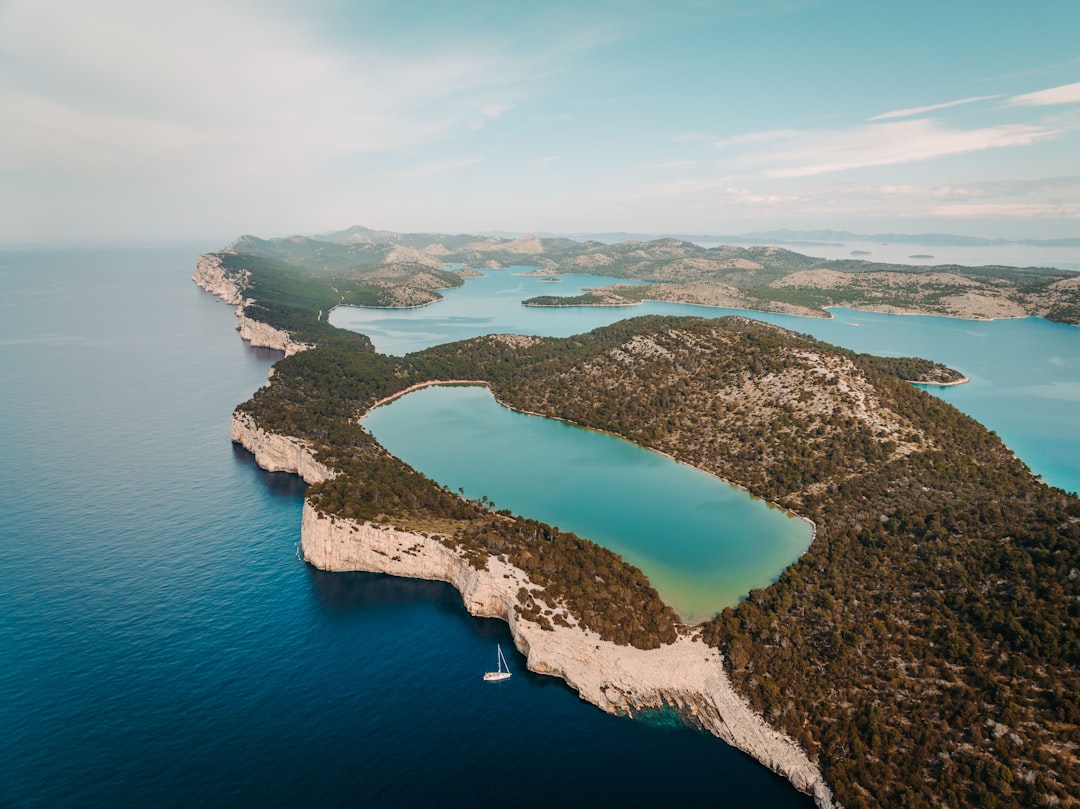
Croatia, with its stunning Adriatic coast, ancient cities, and vibrant culture, is a dream destination for many. However, long-haul travel across multiple time zones can bring an unwelcome companion: jet lag. This disruptive condition can turn your first few days of exploration into a foggy, exhausted blur. Understanding and preparing for jet lag is crucial to ensure you fully enjoy every moment of your Croatian adventure, from Dubrovnik's walls to the Plitvice Lakes.
Understanding Jet Lag
Jet lag is a temporary sleep disorder that occurs when your body's internal clock, or circadian rhythm, is out of sync with the local time of your destination. Your body expects it to be a certain time based on your departure location, while the sun and local activities indicate otherwise. This disruption can lead to symptoms such as:
- Fatigue and exhaustion
- Insomnia or difficulty sleeping at night
- Irritability
- Digestive issues
- Difficulty concentrating
The severity often depends on the number of time zones crossed, with eastward travel generally being harder to adjust to than westward.
Proactive Strategies Before You Go
Preparation is key to minimizing jet lag's impact. Start adjusting before you even leave home.
Adjust Your Sleep Schedule
- Gradual Shift: A few days before your trip, start incrementally shifting your sleep and wake times closer to Croatia's local time. If traveling east, go to bed an hour earlier each night and wake up an hour earlier.
- Morning Light Exposure: Expose yourself to bright light in the mornings at home if you're trying to wake up earlier.
Book Smart Flights
- Overnight Flights (Red-Eye): If possible, choose an overnight flight that allows you to sleep for a significant portion of the journey. This helps you arrive closer to Croatia's morning, ready to face the day.
- Arrive Early: Consider arriving a day or two earlier than any scheduled tours or activities. This gives your body extra time to adjust without the pressure of needing to be "on."
Stay Hydrated
- Drink Water: Start increasing your water intake several days before your flight. Dehydration can exacerbate jet lag symptoms.
- Avoid Alcohol and Excessive Caffeine: While tempting, alcohol and too much caffeine can interfere with sleep and hydration, making jet lag worse. Limit them before and during your flight.
During Your Flight: Minimizing Impact
Your time in the air is an opportunity to prepare your body for the new time zone.
Set Your Watch to Local Time
- As soon as you board, change your watch and all electronic devices to Croatia's local time. This helps you mentally prepare and start thinking in the new time zone.
Sleep Strategically
- Synchronize Sleep: Try to sleep on the plane when it would be nighttime in Croatia. Conversely, try to stay awake if it's daytime there.
- Use Sleep Aids: Make your environment as conducive to sleep as possible. Pack an eye mask, earplugs, and a comfortable neck pillow. Noise-canceling headphones can also be a lifesaver.
Move Around
- Promote Circulation: Get up and walk around the cabin every hour or two. This helps maintain circulation and prevents stiffness, reducing overall fatigue upon arrival.
- Stretch: Perform simple stretches in your seat or in the galley to keep your muscles loose.
Upon Arrival in Croatia: Adapting Quickly
Once you land in Croatia, your goal is to quickly reset your circadian rhythm to the local schedule.
Embrace the Sunlight
- Morning Light Exposure: As soon as you arrive, seek out natural light, especially in the morning. Go for a walk, have breakfast outside, or simply sit by a window. Sunlight is the most powerful signal for your body to adjust its internal clock.
- Avoid Darkness in the Day: Resist the urge to draw the curtains and stay in a dark room during the day.
Stick to Local Meal Times
- Eat with Locals: Eat breakfast, lunch, and dinner at Croatia's local times. This sends strong signals to your metabolism and helps regulate your digestive system.
Resist Naps (If Possible)
- Short Power Naps Only: While tempting, long naps during the day can confuse your body further and make it harder to sleep at night. If you absolutely must nap, keep it short—around 20-30 minutes, ideally in the early afternoon.
- Push Through to Bedtime: Try to stay awake until Croatia's local bedtime. This might feel challenging, but it's one of the most effective ways to adjust quickly.
Stay Active (But Not Overtired)
- Gentle Exploration: Engage in light activities like walking, exploring local sights, or visiting a park. This keeps you moving and helps you stay awake.
- Avoid Strenuous Exercise Before Bed: While exercise is good, intense workouts close to bedtime can elevate your heart rate and make it harder to fall asleep.
Create a Conducive Sleep Environment
- Dark and Quiet Room: Ensure your accommodation allows for a dark, quiet, and cool sleep environment. Use blackout curtains if available.
- Limit Screen Time: Avoid electronic screens (phones, tablets, laptops) for at least an hour before you plan to sleep, as the blue light can disrupt melatonin production.
When to Seek Medical Advice
While most cases of jet lag resolve within a few days, if you experience unusually severe symptoms, persistent insomnia, or feel unwell for an extended period, it's always wise to consult a medical professional.
By implementing these strategies, you can significantly reduce the impact of jet lag and maximize your enjoyment of Croatia's unparalleled beauty. Get ready to explore, relax, and create unforgettable memories, fully energized and refreshed!