Master Jet Lag: Your Essential Guide to Thriving in Macau
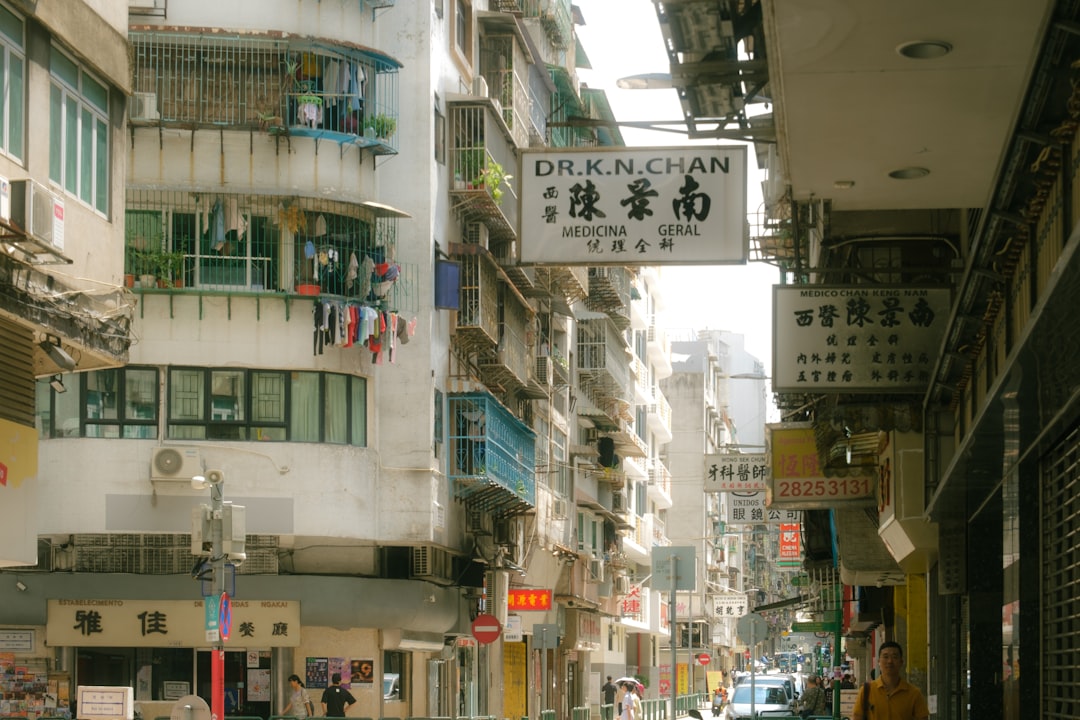
Traveling to the vibrant city of Macau, a Special Administrative Region of China, is an exciting prospect. However, crossing multiple time zones often comes with an unwelcome companion: jet lag. This common travel ailment can significantly impact your enjoyment and energy levels, making it crucial to have strategies in place to combat it. Understanding and preparing for jet lag will ensure you can fully immerse yourself in Macau's unique blend of culture, entertainment, and history from day one.
Understanding Jet Lag and Its Impact
Jet lag, clinically known as desynchronosis, is a temporary sleep disorder that occurs when your body's internal clock, or circadian rhythm, is out of sync with the new time zone. When you fly across several time zones, your body still expects to be on your home time, leading to a range of uncomfortable symptoms.
-
Common Jet Lag Symptoms:
- Fatigue and drowsiness
- Insomnia or difficulty sleeping at night
- Difficulty concentrating
- Headaches
- Irritability
- Digestive issues (constipation or diarrhea)
- General malaise
Macau operates on China Standard Time (GMT+8), which means travelers from Western countries, in particular, will face significant time differences, often ranging from 8 to 16 hours ahead.
Pre-Travel Strategies for Minimizing Jet Lag
Preparation is key to reducing the severity of jet lag before you even board your flight.
Gradually Adjust Your Sleep Schedule
- Start Early: A few days before your trip, begin to shift your bedtime and wake-up time closer to Macau's local time. If traveling east, try going to bed and waking up earlier. If traveling west (less common to Macau), shift later.
- Small Increments: Even adjusting by 30-60 minutes each day can make a noticeable difference.
Book Smart Flights
- Arrival Time: Aim to arrive in Macau during the local daytime. This allows you to expose yourself to natural light and stay active, helping to reset your body clock.
- Overnight Flights: If possible, choose an overnight flight that allows for some sleep, so you arrive feeling somewhat rested.
Stay Hydrated
- Water is Your Friend: Begin increasing your water intake a day or two before your flight. Dehydration can exacerbate jet lag symptoms.
Avoid Alcohol and Caffeine
- Pre-Flight Restriction: Limit or avoid alcohol and excessive caffeine intake for at least 24 hours before your flight. Both can disrupt sleep patterns and contribute to dehydration.
During Your Flight to Macau: In-Flight Tips
Your behavior during the flight plays a crucial role in how well you adapt upon arrival.
Reset Your Clock Immediately
- Time Zone Shift: As soon as you board the plane, change your watch and all electronic devices to Macau local time. Start thinking and acting in your destination's time.
Move Around Regularly
- Prevent Stiffness: Get up and walk around the cabin every couple of hours to improve circulation and reduce stiffness.
- In-Seat Exercises: Perform simple stretches in your seat to keep your blood flowing.
Prioritize Hydration
- Continuous Water Intake: Drink plenty of water throughout the flight. Avoid soda, coffee, and alcoholic beverages, which can dehydrate you.
Try to Sleep Strategically
- Align with Macau Night: If your flight aligns with Macau's nighttime, try to sleep. Use an eye mask, earplugs, or noise-canceling headphones to create a conducive sleep environment.
- Avoid Over-Sleeping: If it's daytime in Macau, try to stay awake or limit naps to short periods.
Upon Arrival in Macau: Post-Landing Recovery
Once you land in Macau, focus on immersing yourself in the local rhythm to quickly adjust.
Embrace the Local Time
- Stay Awake: Resist the urge to nap if it's daytime in Macau. Push through until the local bedtime.
- Go to Sleep: If you arrive at night, wind down and try to go to sleep as soon as possible.
Seek Natural Light
- Daytime Exposure: Get outside and expose yourself to natural sunlight as much as possible during the day. Sunlight is a powerful cue for regulating your circadian rhythm. Take a walk around Senado Square or along the waterfront.
- Avoid Bright Lights at Night: In the evening, dim the lights and avoid screens to signal to your body that it's time to sleep.
Stay Active (But Don't Overdo It)
- Gentle Activity: Engage in light activities like walking, exploring, or a gentle swim at your hotel. Strenuous exercise too close to bedtime can hinder sleep.
- Avoid Overexertion: Don't push yourself too hard on the first day; allow your body time to adjust.
Mindful Eating
- Eat at Local Times: Try to eat your meals according to Macau's breakfast, lunch, and dinner times, even if you're not hungry. This helps signal to your body when it should be awake and active.
- Light Meals: Opt for lighter, easily digestible meals, especially in the evening.
Limit Naps
- Short and Early: If you absolutely must nap, keep it short (20-30 minutes) and take it in the early afternoon. Long or late naps can make it harder to sleep at night.
Prepare for Sleep
- Consistent Bedtime: Try to go to bed at a consistent local time each night.
- Relaxing Routine: Establish a relaxing bedtime routine, such as a warm shower, reading, or listening to calming music, to signal to your body that it's time to rest.
By implementing these strategies, you can significantly reduce the impact of jet lag and ensure your trip to Macau is filled with energy, enjoyment, and unforgettable experiences. Embrace the journey and enjoy everything this incredible destination has to offer!