How Oppressive Governments Co-opt Music in Recent History
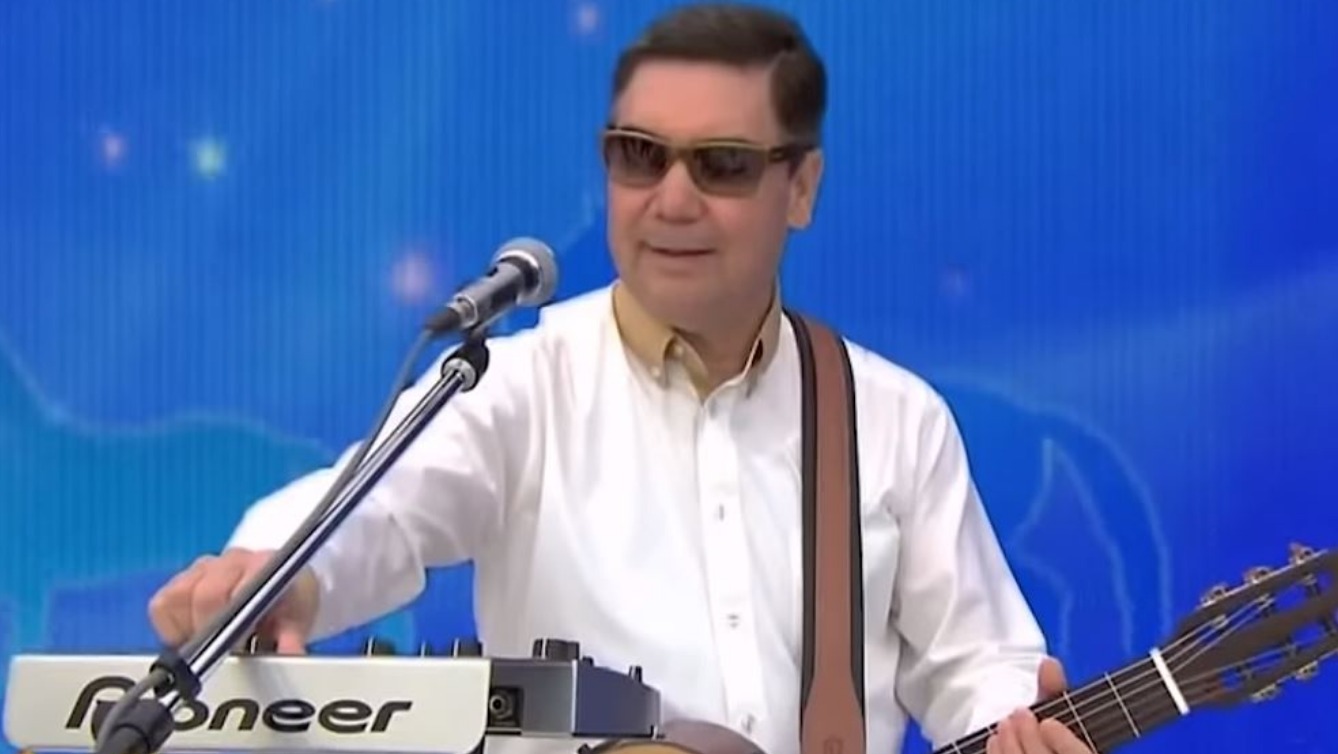
Music's capacity to transcend boundaries, languages, and cultures has made it a potent force for conveying emotions, ideas, and political messages. However, this very power has made music an attractive tool for governments seeking to control and manipulate their citizens. Oppressive regimes have consistently recognized the potential of music to exert influence, co-opt musicians, and stifle dissent. This article delves into how oppressive governments have more recently co-opted music as a means of control and propaganda.
The Historical Context
Throughout history, oppressive governments have understood the power of music to shape public opinion and behavior. From ancient empires to modern dictatorships, music has been harnessed as a tool to consolidate control and suppress dissent. For example, ancient Chinese dynasties used music to reinforce the emperor's authority, while the Roman Empire employed music in propaganda campaigns.
In the 20th century, totalitarian regimes such as Nazi Germany and Stalinist Russia elevated music manipulation to new heights. The Nazis used music to promote their ideology of Aryan supremacy, while the Soviet Union under Stalin employed music to glorify the state and silence dissent.
Control Through Censorship
One of the most direct ways oppressive governments co-opt music today is through censorship. By controlling what music is allowed to be heard, these regimes can limit exposure to ideas and messages that challenge their authority. In countries like North Korea, where the government strictly controls the media, only music that serves the regime's interests is permitted.
Iran, for instance, continues to censor music that challenges conservative values or criticizes the regime. Musicians producing subversive music face persecution, arrest, or exile. This censorship stifles artistic expression and ensures that only government-approved messages reach the public.
Propaganda and Manipulation
Propaganda remains a powerful tool employed by oppressive governments to co-opt music. Regimes commission songs and performances that glorify the ruling party, leader, or the state itself. These songs create a sense of unity and loyalty while vilifying perceived enemies or dissenters.
In recent history, North Korea's propaganda machine has utilized music to bolster the cult of personality surrounding its leaders. Songs like "We Will Defend General Kim Jong Un at the Cost of Our Lives" serve to maintain the regime's grip on power and control public perception.
Co-opting Artists
Another method employed by oppressive governments is co-opting artists themselves. By offering incentives or pressuring artists to serve their interests, these regimes can harness the popularity and influence of musicians to further their agendas.
In Russia, President Vladimir Putin has maintained close ties with specific Russian pop stars, using their fame to promote nationalism and his image. These artists often enjoy state support and lucrative opportunities, effectively becoming instruments of the regime.
The co-optation of music by oppressive governments remains a troubling and pervasive phenomenon in recent history. By controlling what music is heard, manipulating artistic expression, and co-opting artists, these regimes shape public opinion, suppress dissent, and maintain their grip on power. Recognizing these tactics is crucial, and supporting musicians and artists who resist manipulation ensures that music remains a force for unity, creativity, and freedom in the world. Vigilance against such manipulations is necessary to preserve the role of music as a source of positive change and resistance against oppressive forces in the contemporary world.