Ethical Volunteering in Serbia: A Responsible Traveler's Guide
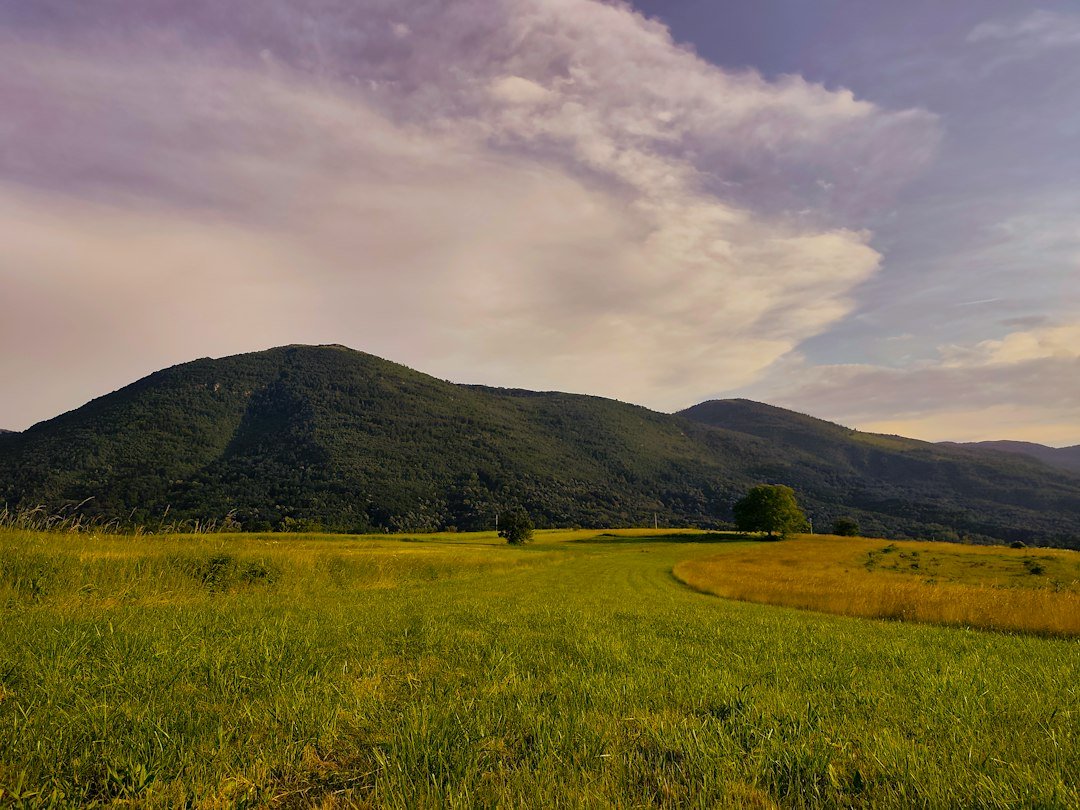
Traveling opens our minds, but adding a volunteering component can open our hearts and provide a profound sense of purpose. As more travelers seek meaningful ways to engage with the places they visit, ethical volunteering has become a crucial consideration. When exploring the rich history and vibrant culture of Serbia, a country with unique needs and incredible potential, it’s essential to ensure your good intentions translate into genuinely positive impact.
This guide will equip you with the knowledge to volunteer responsibly in Serbia, fostering mutual respect, sustainable development, and unforgettable cultural exchange.
Understanding Ethical Volunteering
Ethical volunteering goes beyond simply having good intentions. It's about ensuring your efforts genuinely benefit the local community and address real needs without inadvertently causing harm or creating dependency. It prioritizes sustainability, local empowerment, and respectful cultural exchange. In essence, it means:
- Doing no harm: Ensuring your presence doesn't displace local workers or create unsustainable expectations.
- Meeting genuine needs: Volunteering where your skills are truly required and valued by the community.
- Empowering locals: Supporting projects that build local capacity and leadership.
- Cultural sensitivity: Approaching the experience with humility, respect, and an eagerness to learn.
Key Principles for Ethical Volunteering in Serbia
To ensure your volunteering journey in Serbia is both rewarding for you and beneficial for the local population, consider these core principles:
-
Research Thoroughly:
- Look for reputable organizations with a clear mission, transparent operations, and established local partnerships.
- Investigate their long-term goals and how they measure impact.
- Be wary of "voluntourism" programs that seem to prioritize the volunteer's experience over genuine community needs, often characterized by short-term, expensive trips with limited tangible results.
-
Assess Your Skills and Qualifications:
- Match your skills and expertise to genuine community needs. Are you qualified for the role you're seeking?
- Avoid taking on tasks that local people could and should be paid to do. Your aim is to supplement, not supplant, the local workforce. Consider roles like teaching English, environmental conservation, or specialized medical/technical support if you have the qualifications.
-
Prioritize Local Organizations:
- Whenever possible, seek out and support grassroots Serbian non-governmental organizations (NGOs) or community-based initiatives.
- This ensures that funds, resources, and decision-making power remain within the local economy and community.
-
Understand Cultural Sensitivity:
- Educate yourself on Serbian culture, customs, traditions, and basic phrases in the Serbian language.
- Be respectful, adaptable, and open-minded. Different cultural norms may apply to communication, work ethic, personal space, and social interactions.
- Avoid imposing your own cultural values or expecting things to operate as they do in your home country.
-
Commit to Long-Term Impact (If Possible):
- While even short-term, well-structured volunteering can be valuable, longer commitments often allow for deeper integration, greater skill transfer, and more sustainable impact.
- If a long stay isn't feasible, ensure your short-term role is part of a larger, ongoing project.
-
Be Prepared for Challenges:
- Volunteering in a foreign country, especially in areas with fewer resources, can present cultural differences, language barriers, and unexpected logistical issues.
- Maintain a positive attitude, flexibility, and a problem-solving mindset.
Finding Ethical Volunteer Opportunities in Serbia
Identifying the right opportunity requires diligence, but the rewards are immense.
Reliable Avenues for Discovery:
- Direct Contact with Serbian NGOs: Many local Serbian non-profits and charities actively seek international volunteers. Search online for organizations working in areas of interest (e.g., environmental protection, social work, cultural heritage, refugee support) and contact them directly. This often leads to the most authentic and impactful experiences.
- Online Platforms & Databases (with caution): Websites like Idealist, Workaway, or dedicated volunteer matching sites can list opportunities. However, always use these as a starting point for your own independent research into the specific organization.
- University Programs & Exchange Networks: If you're a student, your university's international office might have partnerships or recommend programs in Serbia.
Examples of Volunteer Areas in Serbia:
Serbia offers diverse opportunities where volunteers can make a meaningful difference:
- Environmental Conservation: Participate in projects focused on cleaning rivers, protecting national parks (like Tara or Fruška Gora), or promoting sustainable practices.
- Cultural Heritage Preservation: Assist with the restoration or maintenance of ancient monasteries, historical sites, or cultural centers.
- Social Support: Work with organizations aiding refugees, disadvantaged youth, the elderly, or communities affected by economic hardship.
- Education: Teach English, offer IT skills, or lead workshops for children and adults in schools or community centers.
- Animal Welfare: Help at animal shelters or support initiatives for stray animal care.
Making the Most of Your Ethical Volunteering Experience
Once you've found an opportunity, prepare to immerse yourself fully:
- Pre-Departure Preparation: Learn key Serbian phrases, read up on Serbian history and current events, and understand the local context of your chosen project.
- During Your Stay: Be proactive, humble, and a good listener. Ask questions, seek to understand local perspectives, and offer your skills respectfully. Embrace challenges as learning opportunities.
- Post-Volunteering: Reflect on your experience, share your insights responsibly, and consider how you can continue to support the organization or cause, even from afar.
Volunteering ethically in Serbia is a powerful way to connect deeply with this captivating country, offering your skills and time to projects that truly matter. By following these guidelines, you can ensure your travel leaves a positive, lasting mark, enriching both your life and the lives of those you meet. Embark on your journey with an open heart and a responsible mind, and discover the profound rewards of making a genuine difference.