Ethical Travel & Volunteering in the Middle East: A Comprehensive Guide
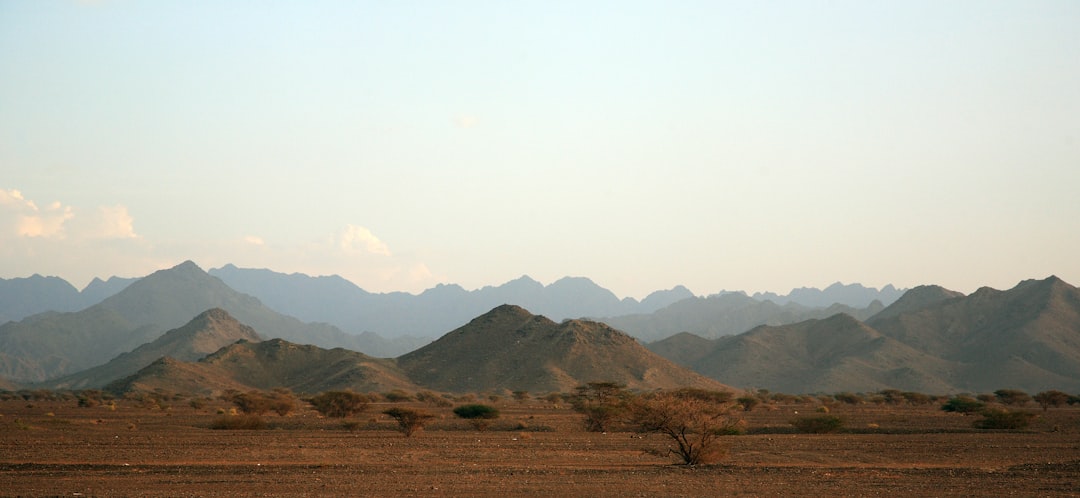
Traveling the Middle East offers an unparalleled tapestry of history, culture, and hospitality. For many, the desire to experience this vibrant region extends beyond sightseeing; they seek to make a meaningful impact through volunteering. However, ensuring your good intentions translate into positive, ethical contributions is paramount. This guide provides essential insights for responsible travelers looking to volunteer ethically while exploring the diverse landscapes and communities of the Middle East.
Understanding Ethical Volunteering in the Middle East
The Unique Context of the Region
The Middle East is a vast region with profound cultural, religious, and socio-economic diversity. From bustling metropolises to serene desert communities, each area presents its own set of needs and sensitivities. Ethical volunteering here means navigating these nuances with respect and a deep understanding of local realities, ensuring your efforts genuinely support, rather than inadvertently harm, local development.
Beyond "Voluntourism"
The concept of "voluntourism" has faced criticism for prioritizing the traveler's experience over genuine community benefit. Ethical volunteering aims to reverse this, placing local needs at the forefront. It’s about more than a short-term, feel-good trip; it's about making a sustainable contribution where your skills are truly needed and valued.
How to Choose the Right Ethical Volunteer Program
Do Your Due Diligence
Thorough research is the cornerstone of ethical volunteering. Don't just pick the first program you find online. Dive deep into the organization's background, mission, and impact.
Prioritize Local Ownership and Leadership
The most effective and ethical projects are those that are community-led. Look for organizations where:
- The project was initiated by local communities to address their specific needs.
- Local staff are employed in key leadership and operational roles.
- Decision-making power rests predominantly with the community itself.
Assess Real Need and Skill Alignment
Before committing, honestly evaluate if your skills match the project's requirements.
- Are you truly filling a gap, or could a local person do the job?
- Avoid taking roles that could otherwise employ local people.
- Focus on skill-based volunteering where your expertise (e.g., medical, teaching, construction management) is genuinely valuable.
Transparency and Accountability
A truly ethical organization will be transparent about its operations and finances.
- Understand how your volunteer fees and donations are utilized.
- Look for clear impact reports or testimonials from local beneficiaries.
- Inquire about their financial management and where funds are allocated.
Focus on Sustainable Impact
Sustainable projects aim for long-term solutions and empowerment, not just temporary fixes.
- Does the program have a clear exit strategy for volunteers, ensuring its continued success?
- Does it build local capacity and foster self-sufficiency?
Key Principles for Ethical Volunteers
Embrace Cultural Sensitivity and Respect
The Middle East is rich in diverse cultures, traditions, and faiths.
- Take time to learn about local customs, traditions, and social norms before you arrive.
- Respect dress codes, especially in religious sites and conservative areas.
- Be mindful of religious practices like prayer times and dietary restrictions during Ramadan.
- Making an effort to learn a few basic phrases in the local language can significantly enhance your experience and show respect.
Foster Genuine Relationships
Engage with local communities with an open mind and heart.
- Be a listener rather than always a talker.
- Avoid making assumptions or imposing your worldview.
- Build connections based on mutual respect and understanding.
Understand the Limits of Your Role
You are a guest and a temporary helper. Your role is to support, not to lead or dictate.
- Recognize that local staff and community members possess invaluable local knowledge and expertise.
- Adhere to the project's guidelines and your assigned tasks.
Protect Vulnerable Populations
Exercise extreme caution when projects involve working with children, refugees, or other vulnerable groups.
- Demand organizations have robust child protection policies and background checks for all volunteers.
- Avoid projects that encourage short-term attachments to children, as this can be detrimental to their development.
- Prioritize programs that empower adults within the community to care for their children.
Prioritize Safety and Security
Familiarize yourself with the local safety landscape and follow advice from your program, embassy, and local authorities. Your personal safety is paramount, and being well-informed is a part of being a responsible traveler.
Common Pitfalls to Avoid in Middle East Volunteering
- Short-Term "Feel-Good" Projects: Many short-term projects (a few days to a week) offer more of a tourist experience than genuine aid. Often, the preparation and integration time required by local staff outweighs the limited contribution of a brief volunteer stint.
- Projects Lacking Local Buy-In: Volunteering efforts that are not genuinely requested or supported by the local community can lead to resentment, inefficiency, and ultimately, a lack of sustainable impact. Ensure the community truly wants and benefits from the project.
- Volunteering in Orphanages Without Proper Vetting: Historically, "orphanage tourism" has been linked to harmful practices, including the institutionalization of children who are not actually orphans, and even human trafficking. Always choose programs that focus on family reunification or community-based support rather than institutional care for children.
Conclusion: Be a Responsible Global Citizen
Volunteering in the Middle East can be an incredibly enriching and rewarding experience, offering a unique opportunity to connect deeply with cultures and contribute to meaningful causes. By committing to ethical practices, conducting thorough research, respecting local customs, and prioritizing sustainable, community-led initiatives, you can ensure your journey leaves a truly positive footprint. Be a responsible global citizen and make your travel count.