Your Ultimate Guide to Navigating Montenegro: Flights, Buses, and Ferries Explained
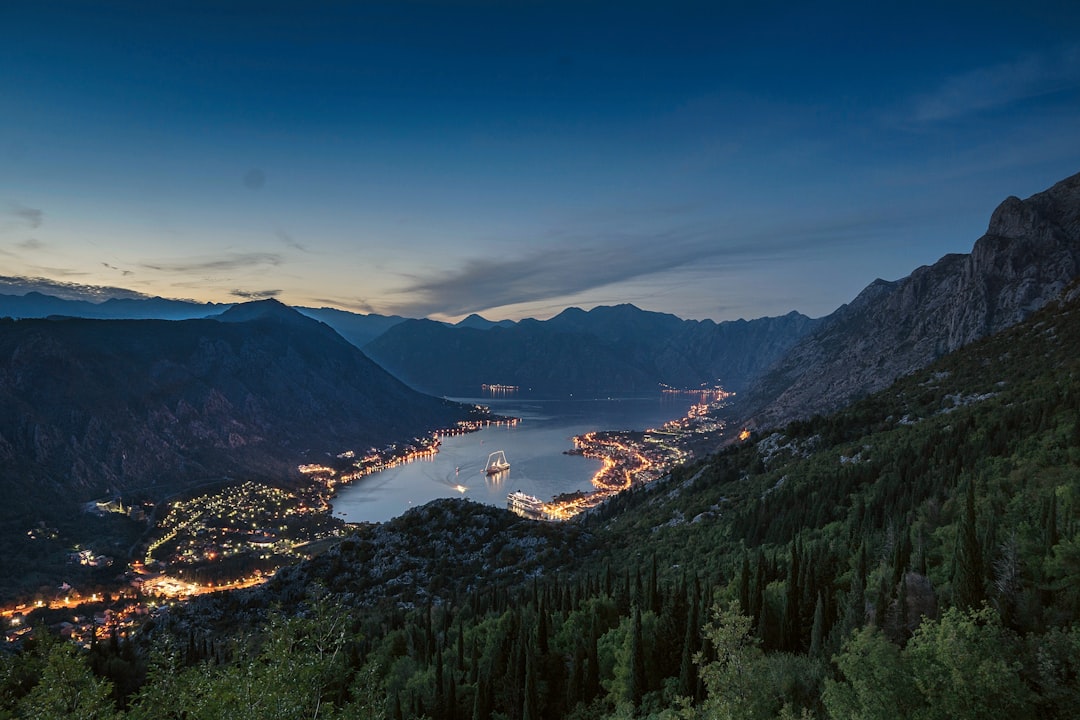
Montenegro, the jewel of the Balkans, offers breathtaking landscapes, from the azure Adriatic coast to rugged mountains and historic towns. While its compact size makes it seem easily navigable, understanding the best ways to get around is key to unlocking its full potential. Whether you’re arriving from abroad or exploring locally, a mix of flights, buses, and ferries provides excellent options for every traveler.
Arriving and Flying Within Montenegro
For many international visitors, air travel is the primary gateway to Montenegro. The country boasts two main international airports, making access convenient.
International Airports: Your Entry Points
Montenegro is served by two key airports, connecting it to numerous European cities.
- Podgorica Airport (TGD): Located near the capital, it's a hub for budget airlines and offers connections to major European cities. It's ideal for reaching the central and northern regions, or even the southern coast with a short transfer.
- Tivat Airport (TIV): Situated on the Bay of Kotor, this airport is perfect for those heading directly to the coastal towns like Kotor, Budva, or Herceg Novi. It sees a significant increase in flights during the summer season.
Domestic Flights: A Niche Option
Due to Montenegro's small size, domestic flights are not a common mode of internal travel. Distances are short enough that bus or car travel is almost always more practical and economical for inter-city movement within the country.
Exploring Montenegro by Bus
The bus network is arguably the most essential and widely used mode of public transport for getting around Montenegro. It's affordable, extensive, and connects virtually every town and city.
The Backbone of Local Travel
Montenegro's bus system is efficient and cost-effective, making it the go-to choice for budget-conscious travelers and those wanting to experience local life.
- Extensive Network: Buses connect all major cities, coastal towns, and even many smaller villages. You can easily travel from the Bay of Kotor to the mountains of Durmitor National Park.
- Frequent Departures: Major routes, especially along the coast, have frequent departures throughout the day, particularly during peak season.
Key Routes & Destinations
Popular bus routes include:
- Coastal Road: Connecting Herceg Novi, Kotor, Budva, Bar, and Ulcinj.
- Coastal to Capital: Routes from coastal towns to Podgorica.
- Mountain Regions: Buses to Kolasin and Zabljak (for Durmitor) are available, though less frequent.
Tips for Bus Travel
- Buying Tickets: Purchase tickets directly at the bus station before departure. In smaller towns, you might buy from the driver.
- Luggage Fee: Expect a small luggage fee (usually €1-€2) for any bags stored in the undercarriage.
- Schedules: While bus schedules are generally reliable, it's wise to check times a day in advance, especially for less frequent routes. Websites like Busticket4.me can provide helpful information.
- Comfort: Buses are generally comfortable, though older models might lack air conditioning on some routes.
Scenic Journeys with Ferries
While Montenegro isn't a country dominated by ferry travel, one particular route is incredibly useful and offers stunning views.
The Kamenari-Lepetane Ferry: Bay of Kotor
The Kamenari-Lepetane ferry is a vital shortcut across the narrowest point of the Bay of Kotor.
- Time-Saving: This ferry significantly reduces travel time for those driving around the bay, bypassing the winding roads and traffic through Kotor and Tivat. It connects the villages of Kamenari and Lepetane.
- Frequency: Ferries run continuously throughout the day and late into the night, making it a very convenient option for cars, motorcycles, and pedestrians.
- Scenic Ride: Even though it's a short crossing, the views of the Bay of Kotor from the water are spectacular.
International Ferry Connections
Historically, there have been international ferry connections from Montenegro to Italy, particularly from Bar to Bari (Italy). While these routes can be seasonal or less frequent now, it's worth checking for updated schedules if you plan to combine your Montenegrin adventure with a trip across the Adriatic.
Other Ways to Get Around
Beyond the main public transport options, several other methods offer flexibility and different travel experiences.
Renting a Car: Maximum Freedom
For ultimate flexibility, renting a car is an excellent choice, especially if you plan to explore Montenegro's more remote national parks or hidden beaches.
- Flexibility: Drive at your own pace and discover off-the-beaten-path locations.
- Road Quality: Main roads are generally good, but mountain roads can be narrow and winding.
- Parking: Finding parking in popular coastal towns can be challenging and expensive during peak season.
Taxis & Ride-Sharing: Convenience on Demand
- Taxis: Readily available in towns and cities. Always agree on the fare beforehand or ensure the meter is used to avoid overcharging.
- Ride-Sharing Apps: Apps like Bolt operate in major cities (e.g., Podgorica, Budva), offering a convenient and transparent way to book rides.
Trains: A Niche, Scenic Route
Montenegro has a limited railway network. The most famous line is the Bar-Belgrade railway, renowned for its scenic journey.
- Limited Internal Use: While it connects Bar, Podgorica, and Bijelo Polje, the train is not typically the fastest or most convenient option for internal travel across short distances compared to buses.
- Scenic Experience: For those who enjoy train travel and scenic routes, a segment of the Bar-Belgrade line can be an experience in itself.
Whether you prefer the efficiency of a flight, the local charm of a bus, the unique perspective of a ferry, or the freedom of a rental car, Montenegro offers a diverse array of options to suit every travel style. Planning your transport will ensure a smooth and memorable journey through this captivating Balkan gem.