Unveiling Vanuatu's Warrior Past: A Deep Dive into Its Most Impactful Historical Battles
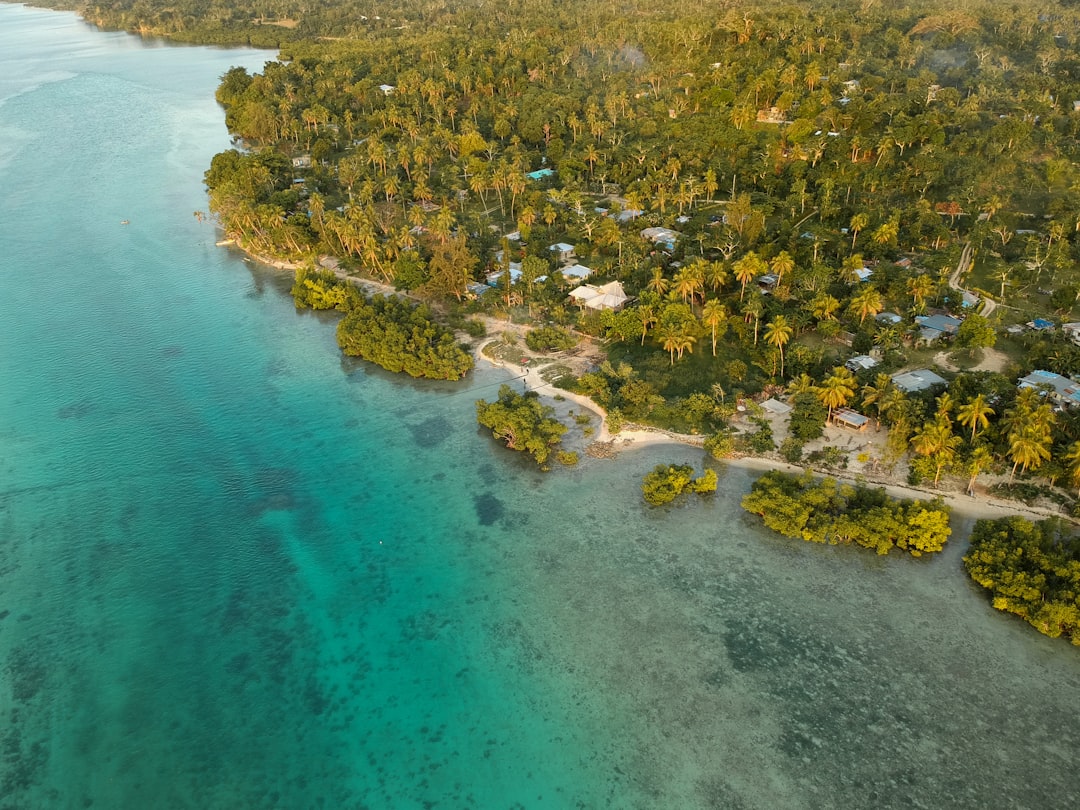
Vanuatu, an archipelago nation renowned for its pristine beaches, active volcanoes, and vibrant culture, holds a history rich with both peaceful traditions and significant conflicts. Far from being a mere tourist paradise, these islands have been a silent witness to pivotal historical battles that shaped its identity, sovereignty, and the resilience of its people. Understanding these clashes is crucial to appreciating the depth and complexity of Vanuatu's past.
The Echoes of Conflict: Why Vanuatu's Battles Matter
The history of Vanuatu is a tapestry woven with threads of ancient tribal warfare, colonial rivalries, and struggles for self-determination. These historical battles, though often lesser-known on the global stage, played a fundamental role in forging the independent nation we know today. They highlight the enduring spirit of the Ni-Vanuatu people and offer profound insights into global power dynamics and local resistance.
Ancient Clashes: Pre-Colonial Conflicts and Tribal Dynamics
Long before European contact, the islands of Vanuatu were home to diverse indigenous groups, each with distinct cultures, languages, and territories. Conflict was an inherent, albeit complex, part of life.
The Nature of Early Warfare
Pre-colonial battles were typically driven by:
- Land disputes: Control over fertile ground for agriculture and settlement.
- Resource control: Access to valuable fishing grounds, trade routes, or unique natural resources.
- Tribal prestige and power: Demonstrating strength and dominance among rival groups.
- Retaliation: Avenging past wrongs or perceived injustices.
These conflicts, while often localized, had significant impacts on population movements, the formation of inter-island alliances, and the development of distinct cultural practices related to warfare and peacemaking. They fostered strong communal bonds within tribes, essential for collective defense and survival.
Colonial Tensions and Resistance: The Anglo-French Rivalry & Local Resilience
The arrival of European powers in the 18th and 19th centuries introduced a new, complex layer of conflict. Vanuatu, then known as the New Hebrides, became a unique battleground for colonial ambition.
The Condominium Era: A Battle of Wills
Unlike most colonies, Vanuatu was governed under the Anglo-French Condominium from 1906, a dual colonial administration often dubbed the "Pandemonium" due to its inefficiency and conflicting laws. While not a conventional battle with armies, this period represented a constant battle of wills between:
- British and French interests: Competing for land, resources, and influence.
- Colonial powers and the indigenous population: The Ni-Vanuatu people frequently resisted land alienation, forced labor practices (blackbirding), and cultural suppression. These were political and economic battles that profoundly shaped the social fabric.
The Shadow of Blackbirding
The "blackbirding" trade in the 19th century saw thousands of Ni-Vanuatu men and women forcibly recruited or coerced to work on plantations in Australia, Fiji, and other Pacific islands. This era sparked numerous violent confrontations between islanders and recruiters, as communities fought to protect their people from abduction. These often-overlooked battles represented fierce resistance against exploitation and the infringement of human rights.
World War II: Vanuatu as a Strategic Battleground
During World War II, the remote islands of the New Hebrides found themselves thrust onto the global stage, becoming a critical strategic hub for the Allied forces in the Pacific.
The Pacific Front's Crucial Hub
The islands of Espiritu Santo and Efate (Port Vila) were transformed into massive military bases.
- Espiritu Santo became one of the largest Allied bases in the South Pacific, hosting tens of thousands of troops, airfields, and naval facilities.
- While Vanuatu did not experience direct land invasions, the islands were vital staging posts for major naval engagements like the Battle of the Coral Sea and campaigns in Guadalcanal. The battle fought here was one of logistics, construction, and maintaining a formidable front against the Japanese advance.
The legacy of this period is still visible today, most famously at Million Dollar Point on Espiritu Santo, where the U.S. military unceremoniously dumped millions of dollars worth of equipment into the sea at the end of the war, rather than sell it cheaply to the Anglo-French Condominium. This location serves as a haunting reminder of the scale and waste of war.
The Road to Independence: The "Coconut War" and Self-Determination
Perhaps the most direct and impactful internal conflict in Vanuatu's modern history occurred on the cusp of its independence.
The Nagriamel Uprising and Jimmy Stevens
In 1980, as the New Hebrides prepared for independence, a secessionist movement led by Jimmy Stevens and his Nagriamel organization launched an uprising on Espiritu Santo. Known as the "Coconut War", this was a significant challenge to the formation of the unified Republic of Vanuatu.
- Motivations: Nagriamel sought to establish an independent state on Espiritu Santo, driven by concerns over land rights, traditional customs, and opposition to the centralized government proposed by the Vanua'aku Pati.
- Key Events: The rebels seized government buildings, blockaded roads, and engaged in minor skirmishes with local police.
- Resolution: After initial hesitation from the departing colonial powers, the newly independent government of Vanuatu sought assistance from Papua New Guinea. Papua New Guinean forces, led by Brigadier General Ted Diro, successfully quelled the rebellion with minimal bloodshed, restoring government control over Espiritu Santo.
The swift resolution of the "Coconut War" was a crucial battle for national unity and solidified Vanuatu's successful transition to full independence on July 30, 1980.
The Enduring Legacy: How Battles Shaped a Nation
The historical battles of Vanuatu, from ancient tribal skirmishes to the complexities of colonial rule and the "Coconut War," have left an indelible mark on the nation. They underscore:
- The spirit of resilience: The ability of the Ni-Vanuatu people to resist external domination and overcome internal divisions.
- The importance of land: A recurring theme in almost every conflict, highlighting its deep cultural and economic significance.
- The struggle for self-determination: The ultimate triumph of achieving independence and forging a unified national identity.
These events contribute to Vanuatu's rich oral traditions, cultural practices, and its unique approach to governance, often blending modern democratic principles with traditional custom (kastom).
Conclusion: Preserving the Stories of Vanuatu's Past
The battles of Vanuatu are not just historical footnotes; they are integral chapters in the story of a vibrant nation. By exploring these conflicts, we gain a deeper appreciation for the challenges and triumphs that have shaped Vanuatu. They remind us of the enduring human spirit, the complex dance of power and resistance, and the profound value of peace and national unity. As you consider a journey to these islands, remember that beneath the tranquil beauty lies a history forged in the fires of conflict and resilience.