Unveiling Tunisia's Architectural Wonders: An Architect's Guide to Must-See Buildings
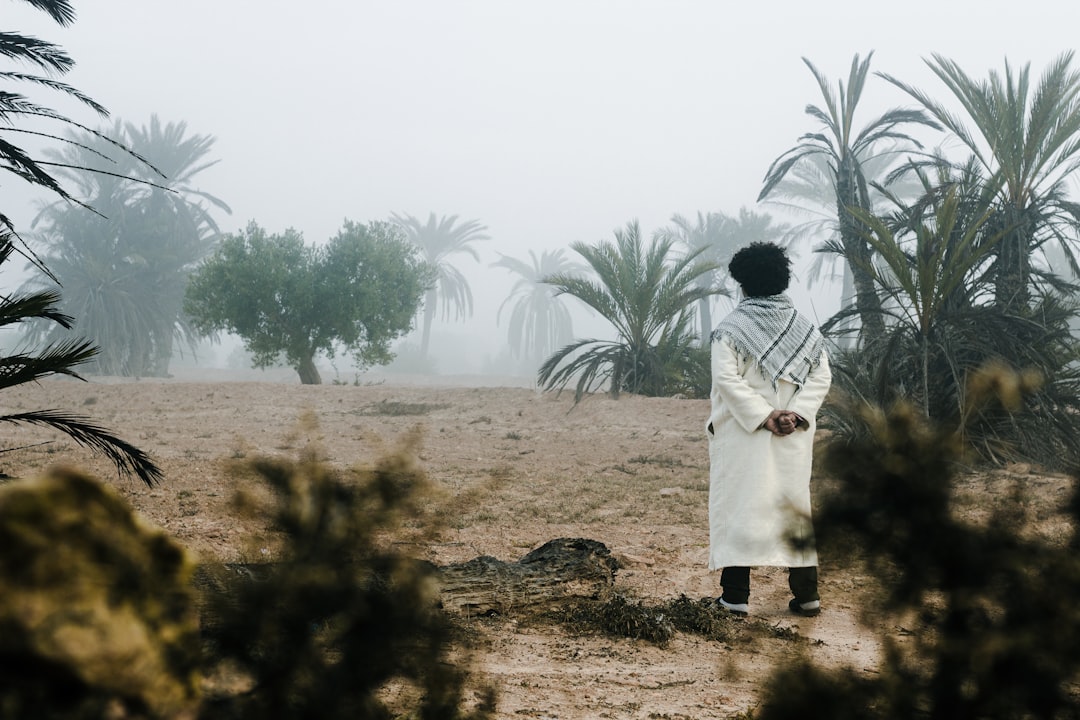
Tunisia, a land rich in history and culture, boasts an architectural heritage as diverse as its landscapes. From ancient Roman ruins that whisper tales of empires past to the intricate designs of Islamic cities and the charming simplicity of coastal villages, this North African gem offers a breathtaking journey for any architecture enthusiast. For architects, travelers, and design lovers alike, exploring Tunisia's stunning buildings is an immersion into centuries of innovative construction, artistic expression, and cultural fusion. This guide delves into the architectural masterpieces that define Tunisia, offering insights into their historical significance and design brilliance.
A Tapestry of History and Design
Tunisian architecture is a vibrant mosaic, reflecting the many civilizations that have shaped its identity. Punic, Roman, Byzantine, Islamic, Andalusian, and Ottoman influences have all left their indelible marks, creating a unique blend of styles that continues to inspire. Each building tells a story, showcasing remarkable adaptability, aesthetic sophistication, and an enduring connection to its environment.
Ancient Marvels: Echoes of Empires
The monumental structures left behind by ancient empires are a testament to early engineering prowess and grandeur.
El Djem Amphitheatre
Standing proudly as one of the best-preserved Roman amphitheatres in the world, the El Djem Amphitheatre is a colossal structure that once hosted gladiatorial contests and chariot races. A UNESCO World Heritage site, its sheer scale and intricate design rival that of the Colosseum in Rome. Architects marvel at its sophisticated three-tiered arcades, the precision of its stone masonry, and the ingenuity of its underground passages. It's a powerful symbol of the Roman Empire's enduring legacy in North Africa.
Carthage Ruins
Near modern Tunis, the Carthage Ruins offer a fascinating glimpse into two powerful civilizations: the Punic Empire and the subsequent Roman province of Africa. While much of the Punic city lies beneath later constructions, the extensive Roman remains – including baths, villas, and an amphitheatre – showcase Roman urban planning and construction techniques. The layering of history on this archaeological site provides invaluable lessons in historical preservation and the evolution of urban landscapes.
Islamic & Medieval Grandeur
The advent of Islam brought new architectural forms, characterized by intricate decoration, geometric patterns, and spiritual symbolism.
Medina of Tunis (Old City)
A bustling UNESCO World Heritage site, the Medina of Tunis is a labyrinthine network of narrow alleys, vibrant souks, and hidden courtyards. This historic heart of Tunis is a living museum of Islamic architecture, featuring traditional houses, mosques, and madrassas (schools). The Zitouna Mosque, with its impressive minaret and vast prayer hall, stands as the Medina's spiritual and intellectual center, embodying centuries of North African Islamic design.
Great Mosque of Kairouan (Sidi-Okba Mosque)
The Great Mosque of Kairouan is one of the oldest and most revered mosques in the Islamic West. Founded in 670 AD, it showcases a remarkable blend of pre-Islamic, Roman, and early Islamic architectural styles. Its massive, fortress-like enclosure, impressive minbar, and pioneering hypostyle hall design influenced mosque architecture across the Maghreb. It's a foundational example of Aghlabid dynasty architectural innovation and spiritual sanctity.
Unique Regional Styles & Coastal Charm
Beyond the grand historical sites, Tunisia offers distinct regional architectural expressions that captivate with their beauty and ingenuity.
Sidi Bou Said
Perched on a cliff overlooking the Mediterranean, the picturesque village of Sidi Bou Said is an iconic example of Andalusian architecture. Its uniformly white-washed houses adorned with vibrant blue doors and windows create a striking visual harmony. The village's charming aesthetic, narrow cobbled streets, and stunning sea views make it an architectural delight and a favorite subject for artists and photographers, embodying a serene and elegant design philosophy.
Matmata (Troglodyte Dwellings)
In the rugged southern landscapes, the extraordinary troglodyte dwellings of Matmata present a unique form of Berber architecture. These underground homes, excavated into the soft sandstone, are not only a fascinating architectural curiosity but also a testament to indigenous ingenuity. Designed for protection against the scorching desert heat and sandstorms, these climate-responsive designs feature sunken courtyards and subterranean rooms, offering a cool refuge and a glimpse into a time-honored way of life.
Tunisia's architectural landscape is a profound source of inspiration, showcasing a seamless blend of historical grandeur, cultural narratives, and innovative design. From the colossal Roman amphitheatres to the serene blue-and-white villages and the ingenious underground homes, each building offers a unique perspective on human creativity and resilience. Exploring these stunning buildings is more than just a tour; it's an educational journey that highlights the enduring power of architecture to shape identity and tell stories across millennia.