Unveiling the Rhythmic Soul: A Deep Dive into Traditional Czech Music & Dance
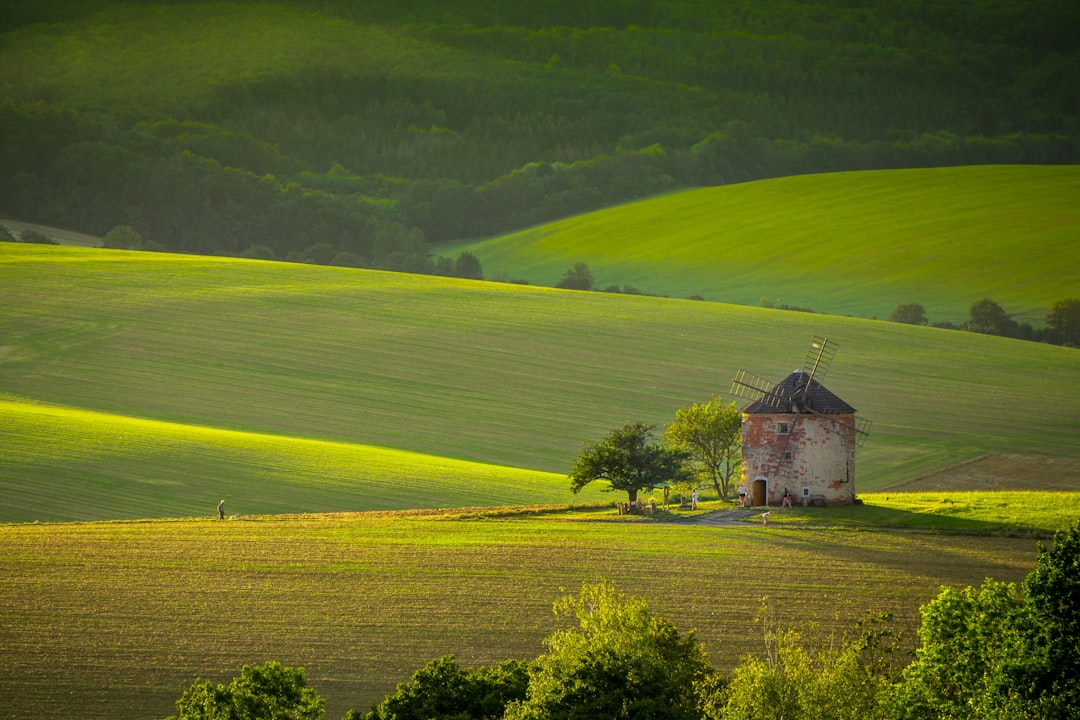
The Czech Republic, a land steeped in history and breathtaking beauty, boasts a cultural heritage as rich and varied as its landscapes. At the very core of this heritage lies a vibrant tradition of music and dance, forms that echo centuries of joy, sorrow, community, and national identity. More than mere entertainment, these artistic expressions are living chronicles that connect modern Czechs to their ancestors and offer a captivating glimpse into the nation's past.
The Heartbeat of Czech Music: Melodies of the Land
Czech traditional music is a tapestry woven with diverse threads from its distinct regions, each contributing unique sounds and stories. It's a genre that thrives on lyrical melodies, rhythmic vitality, and a remarkable emotional depth.
Regional Rhythms and Instruments
The musical landscape of the Czech Republic is broadly categorized by its historical regions:
-
Bohemia: The western part of the country is often associated with lively, yet sometimes melancholic, tunes. Bohemian folk music, particularly from the Chodsko region, is known for its distinctive sound.
- Key Instruments: Violins, clarinets, brass instruments, and the bagpipes (dudy) are prominent.
- This region heavily influenced the development of the globally famous polka.
-
Moravia: In the eastern part, Moravian music is celebrated for its expressive, often improvised character and strong vocal traditions. It frequently features complex harmonies and passionate performances.
- Key Instruments: The cimbal (dulcimer) is central to Moravian folk ensembles, alongside violins, clarinets, and a smaller type of bagpipes (gajdy).
- Vocal harmonies are particularly intricate and beautiful.
- Silesia: Sharing borders with Poland and Slovakia, Silesian music often blends Czech characteristics with influences from its neighbors, creating a unique regional style.
Key Musical Characteristics
Traditional Czech music is characterized by:
- Lyrical Melodies: Often evoking themes of nature, daily life, love, and historical events.
- Rhythmic Vitality: From the infectious energy of dance tunes to the more contemplative rhythms of ballads.
- Emotional Depth: Music ranges from joyful celebrations to poignant reflections on life's hardships.
- Influence of Folk Songs (lidové písně): Many instrumental pieces are derived from or inspired by traditional folk songs, forming a deep cultural bedrock.
Dancing Through Generations: Steps of Czech Heritage
Hand-in-hand with the music, traditional Czech dances are a spectacular display of athleticism, grace, and community spirit. These dances were, and still are, central to village life, celebrations, and social gatherings.
Iconic Dance Forms
Several dance forms stand out as quintessential expressions of Czech heritage:
- Polka: Undoubtedly the most famous Czech dance worldwide. Originating in Bohemia in the early 19th century, this lively, energetic partner dance is characterized by quick steps, hops, and turns. It remains a vibrant symbol of Czech festive spirit and is enjoyed across generations.
- Furiant: A fast-paced and vigorous dance often distinguished by its alternating rhythms and syncopated melodies. It requires considerable skill and stamina, and its dramatic flair has made it a favorite in classical Czech compositions by masters like Dvořák and Smetana.
- Beseda: A more formal and structured group dance, often performed in traditional costumes. The Beseda combines various figures and movements, reflecting a social gathering and community interaction, making it a beloved part of cultural festivals.
-
Other Regional Dances:
- Čardáš: Popular in Moravia, influenced by Hungarian traditions, known for its changing tempos from slow to fast.
- Sousedská: A slower, more graceful partner dance, often seen as a counterpoint to the more energetic polka.
Costumes and Community
An integral part of traditional Czech dance is the kroj, the traditional folk costume. These garments are incredibly diverse, with each region, village, and even social status indicated by specific designs, colors, and intricate embroidery. The kroj is not just clothing; it's a visual representation of regional identity and pride.
Historically, dances were central to:
- Village Life: Providing entertainment and a means of social interaction.
- Celebrations: Marking harvests, weddings, religious holidays, and other significant events.
- Courtship: Offering opportunities for young people to meet and interact.
- Community Building: Strengthening bonds and preserving collective memories.
Preserving a Living Legacy
Today, the rich traditions of Czech music and dance are far from being relics of the past. They are living, breathing art forms actively preserved and celebrated.
- Folk Festivals: Events like the renowned International Folklore Festival Strážnice bring together ensembles from across the country and the world, showcasing the vitality of these traditions.
- Folk Ensembles and Groups: Countless dedicated groups across the Czech Republic (and among Czech diaspora communities) actively perform, teach, and research traditional music and dance.
- Generational Transfer: Families and communities play a crucial role in passing down songs, dances, and costume-making skills to younger generations.
- Modern Interpretations: Contemporary artists and musicians often draw inspiration from traditional forms, ensuring their continued relevance and evolution.
Traditional Czech music and dance offer a profound and joyful way to connect with the soul of the Czech people. They are not just performances but vibrant expressions of a nation's enduring spirit, inviting all to explore and appreciate this remarkable cultural heritage.