Unveiling the Historic Grandeur: Exploring the 'City Palaces' of the US Virgin Islands
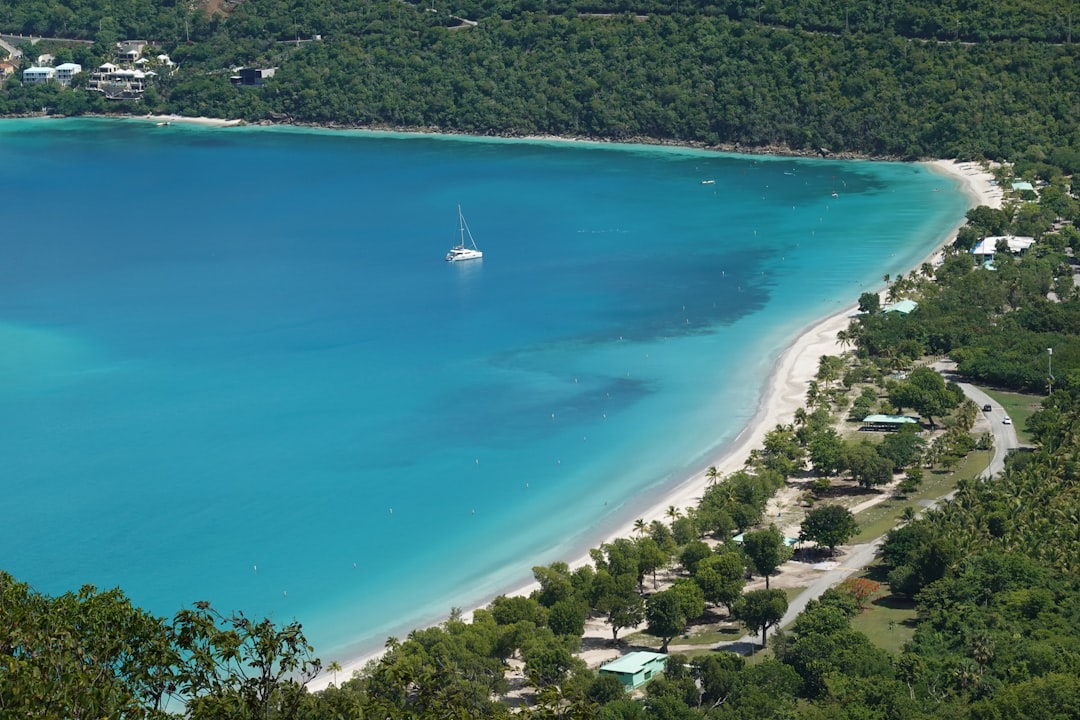
The U.S. Virgin Islands are renowned for their pristine beaches, turquoise waters, and vibrant culture. Yet, beyond the natural beauty lies a rich tapestry of history, embodied in magnificent structures that stand as testaments to centuries of colonial heritage. While not palaces in the European royal sense, these historic estates, government buildings, and grand homes located in or near the islands' main towns evoke a similar sense of architectural majesty and historical significance. Join us on a journey to discover these remarkable "city palaces" of the USVI, offering a unique glimpse into the past.
The Grandeur of St. Thomas
As the most bustling island, St. Thomas boasts several impressive historical structures that captivate visitors with their stories and stunning architecture.
Government House, Charlotte Amalie
Perched majestically atop Government Hill in Charlotte Amalie, the Government House is arguably the most prominent "palace" in the USVI. This elegant, three-story building, completed in 1867, serves as the official residence and office of the Governor of the U.S. Virgin Islands. Its Danish colonial architecture and stately white facade command breathtaking views of the harbor and surrounding town. Visitors can admire its exterior, explore the grounds, and appreciate its role in the islands' governance through centuries of change. It's a prime example of historic USVI architecture.
Blackbeard's Castle (Skytsborg Tower)
A designated National Historic Landmark, Blackbeard's Castle offers more than just pirate lore. The complex comprises the Skytsborg Tower, a 17th-century Danish watchtower, and several historic homes, including Villa Notman and Britannia House. These grand estates showcase exquisite Danish and Victorian architectural styles with panoramic vistas of Charlotte Amalie. Exploring its stone walls, terraced gardens, and historic interiors is like stepping back into the pirate and colonial eras of St. Thomas.
Fort Christian
While primarily a fortification, Fort Christian is a vital part of Charlotte Amalie's historic landscape and represents a crucial defensive "palace" from the colonial era. Built by the Danes in 1672, it is the oldest standing structure in the Virgin Islands. Its imposing red brick walls and distinctive tower have guarded the harbor for centuries. Today, it houses a museum detailing the island's history, providing insight into the challenges and triumphs of early settlers and their interaction with this imposing structure.
St. Croix's Colonial Charms
The largest of the U.S. Virgin Islands, St. Croix, offers a different flavor of historical grandeur, with well-preserved towns and impressive plantation estates.
Government House, Christiansted
Mirroring its counterpart in St. Thomas, the Government House in Christiansted is another iconic structure. This magnificent yellow building, dating back to 1747, features a grand staircase and classic Danish colonial design. It served as the administrative heart of the Danish West Indies and continues to be a significant government building. Its location in the historic district of Christiansted, a National Historic Site, makes it a focal point for understanding St. Croix's rich past.
Estate Whim Museum
A short drive from Frederiksted, the Estate Whim Museum offers a profound look into the sugar plantation era. The centerpiece is the Great House, a unique and elegant oval-shaped structure built in 1794. This single-story, brick and coral building with its expansive veranda and classic furnishings presents a compelling image of plantation life in the 18th century. Surrounded by restored mill machinery, a sugar factory, and slave quarters, it provides a comprehensive and often somber reflection on the colonial history of St. Croix. It truly embodies the idea of a historic estate "palace."
Why Explore These Historic Gems?
Visiting these "city palaces" offers more than just a history lesson; it's an immersive experience:
- Architectural Marvels: Admire diverse styles from Danish colonial to Victorian.
- Stunning Vistas: Many sites offer panoramic views of harbors, towns, and the Caribbean Sea.
- Deep Dive into History: Learn about the colonial past, plantation life, and the struggle for freedom.
- Unique Photo Opportunities: Capture the beauty and character of these historic landmarks.
- Cultural Connection: Understand the foundations of modern USVI culture and identity.
Embrace the opportunity to go beyond the beaches and delve into the architectural and historical richness that makes the U.S. Virgin Islands truly unique. These "city palaces" are waiting to share their stories.