Unveiling Sudan's Soul: Exploring Vibrant Traditional Music and Dance Traditions
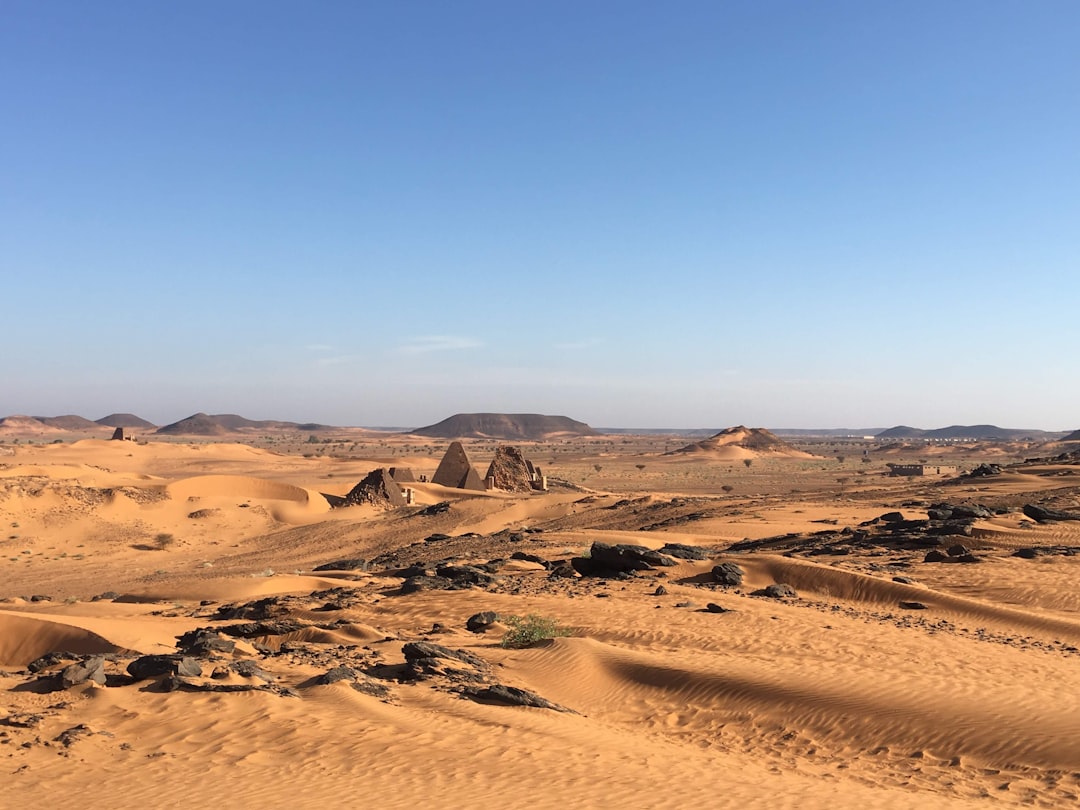
Sudan, a land steeped in ancient history and diverse cultures, boasts a rich tapestry of traditional music and dance. From the banks of the Nile to the vast deserts and fertile plains, these art forms serve as the heartbeat of communities, encapsulating centuries of stories, beliefs, and celebrations. Delve into the captivating world where rhythmic beats and expressive movements tell the tales of a nation.
The Cultural Canvas: Understanding Sudan's Musical Heritage
Sudanese traditional music is far more than just sound; it's a living archive of the nation's spiritual, social, and historical journey. Its origins are deeply intertwined with ancient African and Arab influences, blended over millennia to create unique and diverse regional styles. This rich heritage reflects Sudan's geographical position as a bridge between the African continent and the Middle East.
A Symphony of Sounds: Key Traditional Sudanese Musical Instruments
The distinct sound of Sudanese music is largely defined by its unique array of instruments, each with a specific role and history.
-
Percussion Powerhouses:
- Daluka: A goblet-shaped drum, often made from clay and animal hide, known for its deep, resonant sound. It's central to many Sudanese dance performances and celebrations.
- Naqara: Large kettle drums, typically played in pairs, providing a powerful, driving rhythm for communal gatherings and ceremonial events.
- Tambourine (Riq): Used to add crisp, rhythmic accents.
-
Stringed Melodies:
- Kissar: A bowl lyre, one of the most ancient instruments in Sudan, creating hauntingly beautiful melodies. Its five strings are often plucked during storytelling or spiritual songs.
- Rababa: A spike fiddle, common in various parts of Sudan, lending a distinctive, sometimes melancholic, string sound.
-
Wind Wonders:
- Zummara: A double-clarinette type instrument, producing lively and often piercing melodies, particularly in Northern Sudanese traditions.
- Nai: A type of reed flute, used for its ethereal and evocative tones in various folk music forms.
Dancing Through Life: Diverse Sudanese Dance Forms
Traditional Sudanese dance is incredibly varied, reflecting the myriad ethnic groups and their distinct customs. These dances are integral to daily life, marking everything from births and marriages to harvests and religious ceremonies.
Celebratory and Social Dances
- Arada: A communal dance performed during weddings and festivals, characterized by vigorous steps, clapping, and often accompanied by the daluka and various chants.
- Shabal: A lively dance from the Beja people of Eastern Sudan, involving intricate footwork and arm movements, often performed by groups in colorful traditional attire.
- Gumuz Dance: Energetic and often acrobatic, performed by the Gumuz people, focusing on storytelling and community bonding.
Ritualistic and Expressive Movements
- Darfuri Dances: From Western Sudan, these dances often incorporate dramatic movements, storytelling, and mimicry of animals or daily life, reflecting the region's unique cultural narratives.
- Nuba Wrestling Dances: While primarily a sport, the Nuba people of South Kordofan incorporate highly stylized movements and music, which are deeply ritualistic, celebrating strength and communal spirit.
- Zikr (Sufi): While not dance in the secular sense, the rhythmic swaying, chanting, and collective movement in Sufi ceremonies are profound expressions of spiritual devotion and an integral part of Sudan's intangible heritage.
Regional Rhythms: Sudan's Musical and Dance Diversity
Sudan's vast geography dictates much of its cultural diversity, clearly evident in its music and dance.
- Northern Nile Traditions: Influenced by Nubian heritage, these often feature the kissar and daluka, with dances that are sometimes more reserved but deeply expressive, often celebrating the river and historical legacies.
- Eastern Beja Beats: Characterized by the tambour (a six-stringed lyre similar to the kissar) and dynamic group dances like Shabal, reflecting their nomadic history and strong community ties.
- Western Kordofan & Darfur Movements: Known for vibrant drumming, energetic group dances, and storytelling through movement. The naqara often plays a central role here.
- Central Sudan's Fusion: Incorporating elements from various regions, creating a dynamic blend of rhythms and movements often heard in urban centers, featuring instruments like the rababa and daluka.
Preserving the Heritage: Modern Context and Future
Despite challenges, Sudanese artists and cultural practitioners tirelessly work to preserve these invaluable traditions. Festivals, cultural centers, and digital platforms are increasingly becoming avenues for showcasing and teaching the next generation about the beauty and depth of Sudanese music and dance. These art forms continue to evolve, adapt, and remain a powerful symbol of Sudanese identity, resilience, and unity.
Exploring the traditional music and dance of Sudan is to embark on a journey through the soul of a nation, discovering the vibrant rhythms and powerful stories that have shaped its people for millennia.