Unveiling Premier Bird Watching Spots in the Palestinian Territories (Occupied): An Avian Hotspot
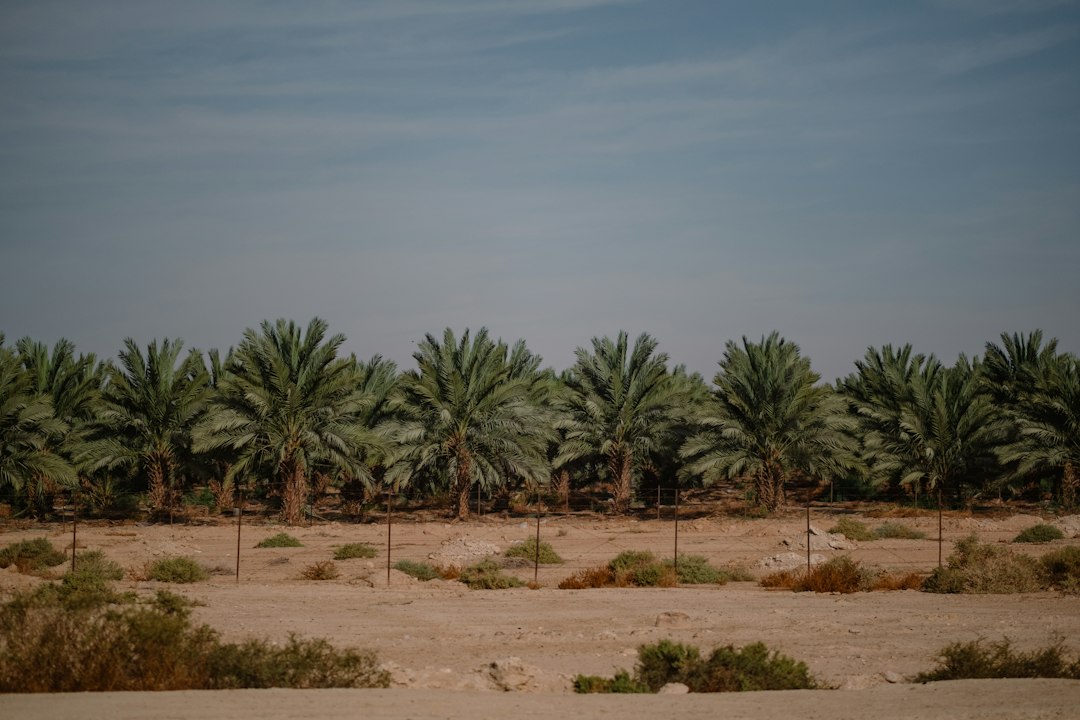
The Palestinian Territories (Occupied), often overlooked by the global birding community, offer an incredibly rich and diverse landscape for bird watching enthusiasts. Strategically located at the crossroads of three continents – Asia, Africa, and Europe – this region serves as a crucial migratory corridor for millions of birds each year. From arid desertscapes to lush valleys and Mediterranean scrublands, the variety of habitats supports an astonishing array of resident and migratory species, making it a true biodiversity hotspot.
Whether you're a seasoned birder or a curious beginner, the unique ecological tapestry of this area promises an unforgettable encounter with nature. Discover why the Palestinian Territories are a hidden gem for ornithology.
Why the Palestinian Territories are a Birder's Paradise
The geographical position of the Palestinian Territories is paramount to its avian wealth. Situated along the Great Rift Valley, a globally significant migratory route, it witnesses spectacular movements of birds during spring and autumn. This means:
- Exceptional Migratory Flows: Millions of storks, raptors, pelicans, and smaller passerines pass through twice a year.
- Diverse Habitats: From the semi-arid Jordan Valley to the Mediterranean climate of the central highlands and the desert fringes, a wide range of ecosystems thrive.
- Unique Resident Species: Many species find permanent homes in the varied landscapes, including rare and endemic birds.
Top Bird Watching Destinations
Prepare your binoculars as we explore some of the most rewarding bird-watching locations across the Palestinian Territories.
The Jordan Valley and Dead Sea Region
This low-lying, semi-arid region is an absolute must-visit, especially during migration seasons. The Jordan Valley is a funnel for birds crossing between continents, while the unique ecosystem around the Dead Sea attracts specialized species.
- Key Birds: Look for large concentrations of White Storks, various raptors (e.g., Steppe Eagles, Honey Buzzards), waders, and many passerines. The Dead Sea Sparrow is a highlight, being a near-endemic species. You might also spot Greater Flamingoes in suitable wetlands.
- Best Time: Spring (March-May) and Autumn (September-November) for migration.
- Specific Spots: The areas around Jericho and along the Jordan River (where accessible) are prime viewing points.
Hebron Hills and Southern West Bank
The elevated, rugged terrain of the Hebron Hills and the broader southern West Bank offers a different birding experience. Characterized by rocky outcrops, scrubland, and some agricultural areas, it hosts a blend of Mediterranean and semi-desert birds.
- Key Birds: Keep an eye out for impressive Griffon Vultures, various eagle species, and smaller birds adapted to arid conditions like Larks, Wheatears, and Desert Shrikes. Warblers and flycatchers are also common during migration.
- Best Time: Year-round, with spring being excellent for breeding species.
Central Highlands and Jerusalem Surroundings
Encompassing the areas around Jerusalem, Ramallah, and Bethlehem, the central highlands feature Mediterranean forests, olive groves, and mixed agricultural land. This diverse landscape supports a rich variety of woodland and open-country birds.
- Key Birds: Expect to see various owls (including Eurasian Eagle-Owl), kestrels, Hoopoes, shrikes, and a multitude of finches, tits, and warblers. The region is excellent for appreciating common European and Middle Eastern birds.
- Best Time: Spring for breeding birds, and winter for resident species and some wintering visitors.
- Specific Spots: The olive groves and pine forests surrounding Bethlehem and Ramallah provide excellent habitat.
Northern West Bank
The northern parts of the West Bank, including areas around Nablus and Jenin, are characterized by more extensive agricultural lands, rolling hills, and some remaining oak forests. This area is vital for many common resident and migratory species.
- Key Birds: Often spotted are colorful European Bee-eaters, Rollers, Blackbirds, and various species of Buntings and Sparrows. It's a great place to observe widespread species in their natural environment.
- Best Time: Spring and early summer for breeding birds.
Essential Bird Watching Tips for the Region
To make your birding trip successful and respectful, consider these practical tips:
- Best Seasons: Spring (March-May) and Autumn (September-November) are unequivocally the best times for witnessing peak migration. Winter offers good viewing for resident and overwintering species.
-
What to Bring:
- High-quality binoculars and a spotting scope are essential.
- A reliable field guide specific to the Middle East or Palearctic region.
- Sun protection (hat, sunscreen) and plenty of water.
- Comfortable walking shoes suitable for varied terrain.
- A camera for capturing memorable moments.
-
Local Etiquette and Safety:
- Respect local customs and dress codes, especially when visiting villages or religious sites.
- Stay informed about local conditions and consult with local authorities or tour operators for advice on accessible areas.
- Consider hiring a local guide; they can provide invaluable insights into birding spots and cultural nuances.
-
Conservation:
- Practice "leave no trace" principles to protect these delicate ecosystems.
- Support local conservation efforts where possible.
A Unique Avian Journey Awaits
The Palestinian Territories (Occupied) offer a remarkable opportunity for bird watchers to explore diverse avian life within a historically and culturally rich landscape. Its strategic location on one of the world's most significant migratory routes, combined with varied habitats, ensures a vibrant and ever-changing birding experience. Embark on this unique journey and discover the avian wonders that await in this extraordinary part of the world.