Unveiling Kosovo's Iconic City Towers: A Traveler's Guide to Architectural Wonders
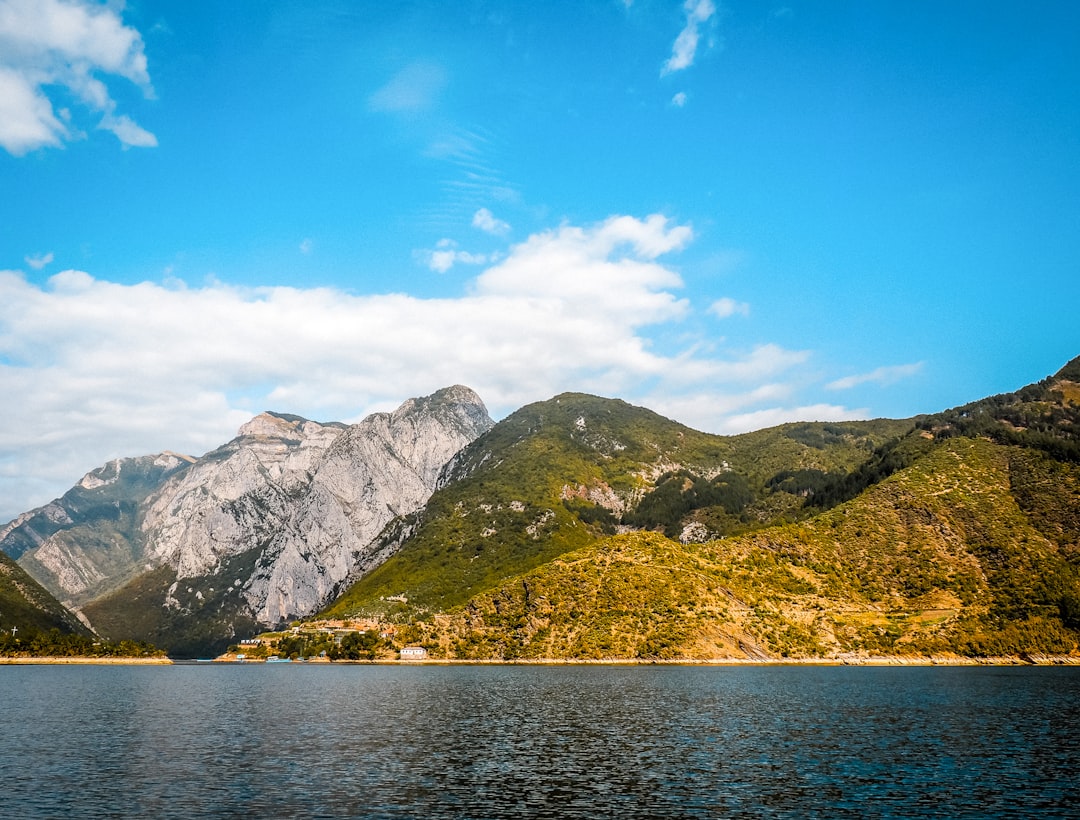
Kosovo, a land brimming with rich history and diverse cultural influences, offers a unique architectural journey for any traveler. Among its most striking historical features are the majestic city towers – silent sentinels that narrate tales of Ottoman legacy, local craftsmanship, and enduring resilience. These structures are not merely old buildings; they are landmarks, cultural touchstones, and windows into the nation's past.
From the elegant clock towers (Sahat Kulla) gracing bustling bazaars to the fortified Kullas representing a unique residential and defensive style, Kosovo's towers provide a captivating glimpse into its soul. This guide will take you through the most famous of these architectural gems, inviting you to discover the stories etched in their stone.
What Makes Kosovo's City Towers Unique?
The distinct character of Kosovo's towers stems from a blend of historical periods and local ingenuity:
- Ottoman Influence: Many of the prominent clock towers date back to the Ottoman period, serving as crucial timekeepers for daily life, trade, and prayer. Their distinctive stone masonry, specific clock mechanisms, and often, their placement within old bazaars, are direct testaments to this era.
- Local Craftsmanship: Beyond the dominant Ottoman aesthetic, local builders and artisans incorporated regional techniques and materials. This integration of indigenous styles with external influences makes each tower subtly unique, reflecting the skilled hands that constructed them.
- Cultural Significance: These towers transcend their functional purposes. They are enduring symbols of their respective cities, frequently serving as meeting points, subjects of local legends, and focal points for community life, making them integral to Kosovo's cultural heritage.
Exploring Kosovo's Most Famous City Towers
Join us as we journey through Kosovo's cities to explore their most iconic vertical landmarks.
Pristina: The Heartbeat of the Capital
- Pristina's Sahat Kulla (Clock Tower): Located near the Imperial Mosque, the Pristina Clock Tower is a significant historical marker in the capital. Originally built in the 19th century, it has undergone various restorations, preserving its role as a key historical landmark. While parts have been rebuilt, its presence near the old bazaar area highlights its historical importance in the city's development and timekeeping for commerce and prayer. It stands as a reminder of Pristina's layered past.
Prizren: A Jewel of History
- Prizren's Sahat Kulla: Perched strategically on a hill, the Prizren Clock Tower offers breathtaking panoramic views of the city's terracotta rooftops, the Bistrica River, and the majestic Prizren Fortress. Its unique position makes it not just a timekeeper but also a historical beacon. Ascending towards it rewards visitors with unparalleled vistas, making it a must-visit for photographers and history enthusiasts alike. It perfectly complements the nearby Prizren Fortress, enhancing the city's dramatic skyline.
Peja: Gateway to the Rugova Canyon
- Peja's Sahat Kulla: Standing proudly in the city center, the Peja Clock Tower is an enduring emblem of the city's rich history and resilience. This impressive stone tower, dating back to the Ottoman era, is a prominent feature of Peja's old bazaar district. Its sturdy construction and historical clock mechanism speak volumes about the city's past, serving as a constant reminder of the passage of time in this vibrant western Kosovar city.
Gjakova: Town of Guilds and Bridges
- Gjakova's Sahat Kulla: An integral part of the famous Old Bazaar (Çarshia e Madhe), the Gjakova Clock Tower is a key feature of one of the Balkans' most extensive and well-preserved bazaars. Its strategic location amidst the bustling artisan shops and traditional cafes underscores its historical role in regulating the rhythms of trade and daily life. The tower adds to the authentic charm and historical depth of Gjakova's vibrant market, making it an essential stop for anyone exploring the town.
Beyond the Cities: The Iconic Kullas
While not always central city features, the Kullas are quintessentially Kosovar and represent a significant part of the nation's architectural heritage, often found in villages and towns.
- These fortified stone houses typically feature:
- Three or more floors, often with a designated living space, defensive position, and storage.
- Small, strategically placed windows for defense.
- Thick stone walls offering protection and insulation.
- The Kulla of Isa Boletini, while located near Mitrovica, is a renowned example of this architectural type, embodying the blend of residential comfort and defensive necessity characteristic of these tower-like structures.
Tips for Exploring Kosovo's Towers
To make the most of your visit to these historical structures, consider these practical tips:
- Location: Most of these towers are centrally located, typically within or adjacent to the historical old bazaars of each city, making them easy to find during a city walk.
- Access: While some towers may offer internal access allowing you to climb for panoramic views, others are primarily admired from the exterior. Always check local information or ask guides about accessibility.
- Guided Tours: Consider hiring a local guide to delve deeper into the specific history, legends, and architectural nuances of each tower and its surrounding area.
- Photography: Don't forget your camera! These towers offer fantastic opportunities to capture unique architectural details and the surrounding historical atmosphere.
Conclusion: Timeless Sentinels of Kosovo
Kosovo's city towers are more than just old buildings; they are cultural treasures and enduring historical markers. Each structure tells a unique story, offering insights into the country's rich past and the lives of its people. By exploring these architectural gems, you'll not only witness magnificent examples of historical craftsmanship but also connect with the very heart and soul of Kosovo's vibrant heritage. Plan your visit today and step back in time with these timeless sentinels.