Unveiling Faroe Islands' Timeless Charm: A Guide to Its Iconic Clock Towers
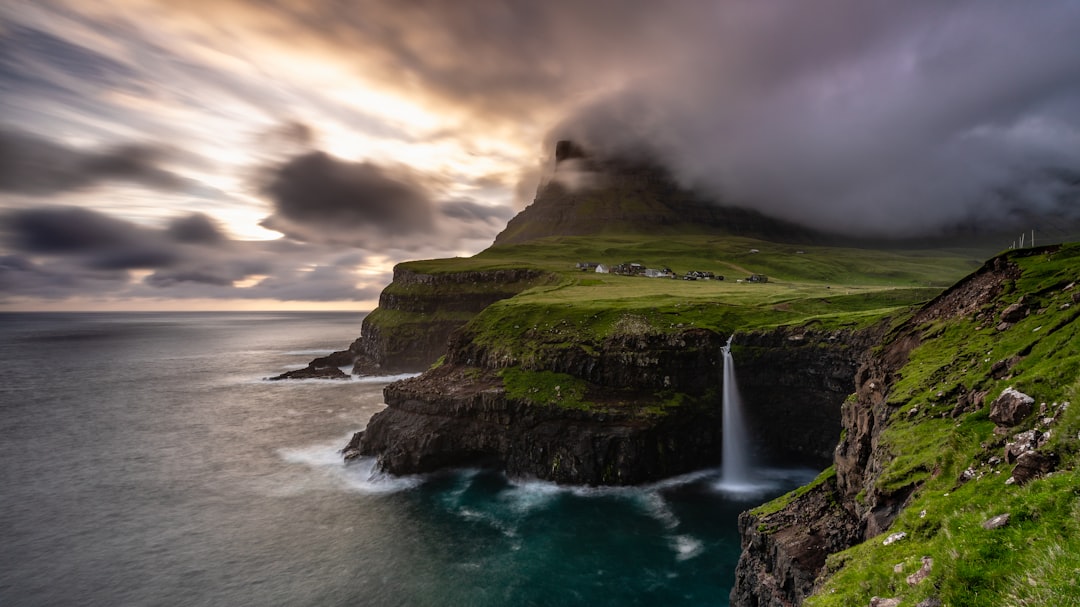
The Faroe Islands, a majestic archipelago in the North Atlantic, are renowned for their dramatic landscapes, vibrant turf houses, and unique cultural heritage. While often celebrated for breathtaking fjords and abundant birdlife, these remote islands also hold architectural treasures that speak volumes about their past and community spirit: their charming clock towers. More than just timekeepers, these structures are often historical landmarks, deeply integrated into the local way of life.
Discovering the Rhythmic Heart of the Faroe Islands
Far beyond the typical tourist trails, the clock towers of the Faroe Islands offer a fascinating glimpse into the rhythm of island life. They stand as silent sentinels, marking the passage of time for generations of islanders, guiding fishermen to sea and calling communities to worship. Exploring these often-overlooked architectural gems provides a deeper appreciation for Faroese history and design.
Faroese Clock Towers: Markers of History and Community
Unlike grand clock towers in European capitals, those in the Faroe Islands possess a unique, understated charm. They are primarily associated with the islands' many quaint churches and village centers, reflecting a history intertwined with faith and communal gathering. Each tower, whether ancient or more recent, tells a story of resilience and tradition in a challenging environment.
Tórshavn Cathedral Clock: The Capital's Enduring Symbol
At the heart of Tórshavn, the smallest capital in the world, stands the Tórshavn Cathedral (Dómkirkjan). Dating back to 1865, though with parts from an earlier 1788 church, its modest yet stately clock tower is a defining feature of the city's skyline. This clock isn't just a time indicator; it's a central reference point for locals and visitors alike, witnessing the daily ebb and flow of urban Faroese life. Its bells have marked countless services, celebrations, and moments of quiet reflection, making it one of the most recognized and historically significant timekeepers on the islands.
Kirkjubøur's Ancient Bell Tower: Echoes of a Storied Past
A short drive from Tórshavn lies Kirkjubøur, the Faroe Islands' most important historical site. Here, amidst ancient ruins and the turf-roofed Kirkjubøargarður farm, stands the Saint Olav's Church. While perhaps not a towering structure in the conventional sense, its bell tower houses a clock that resonates with centuries of history. This quaint and sturdy tower overlooks the sea, connecting the present day with the medieval episcopal see it once was. The historic clock here is a testament to the enduring faith and heritage of the Faroese people, a silent guardian of a bygone era.
Village Clocks: Guiding Life Across the Islands
Beyond the capital and historic sites, almost every village on the Faroe Islands boasts its own charming church and clock tower. These structures, often painted in bright white with dark roofs, stand out against the green hills and blue waters, serving as visual anchors in the remote communities. Each village clock plays a vital role:
- Marking the fishing schedule: Essential for local livelihoods.
- Calling parishioners to service: A cornerstone of community life.
- Providing a sense of regularity: In a landscape shaped by dramatic weather and natural forces.
From the picturesque village of Gásadalur, perched on a cliff edge, to the remote northern islands, these humble yet powerful clock towers are integral to the unique Faroese architectural landscape.
Beyond the Clocks: A Holistic Faroese Adventure
While exploring the iconic clock towers offers a distinctive perspective, a trip to the Faroe Islands is a journey into unparalleled natural beauty and vibrant cultural experiences. Be sure to also:
- Hike breathtaking trails: Discover stunning viewpoints and cascading waterfalls.
- Visit the puffin colonies: On islands like Mykines (seasonal).
- Explore turf-roofed houses: A signature of traditional Faroese architecture.
- Savor local cuisine: Especially fresh seafood and traditional lamb dishes.
Planning Your Faroese Timekeeping Tour
When planning your visit, consider that the best time to experience the Faroe Islands' unique charm, including its architectural landmarks, is during the late spring and summer months (May to August) when the weather is milder and daylight hours are long. Renting a car is highly recommended for exploring the villages and their distinctive clock towers at your own pace.
The clock towers of the Faroe Islands may not rival the global fame of Big Ben or the Astronomical Clock of Prague, but their significance lies in their deep connection to the islands' soul. They are symbols of endurance, community, and the unhurried passage of time in one of the world's most captivating destinations. Seek them out, and you’ll discover another layer of the Faroe Islands' profound beauty.