Unveiling Eswatini's Cultural Heartbeat: Traditional Music & Dance Explored
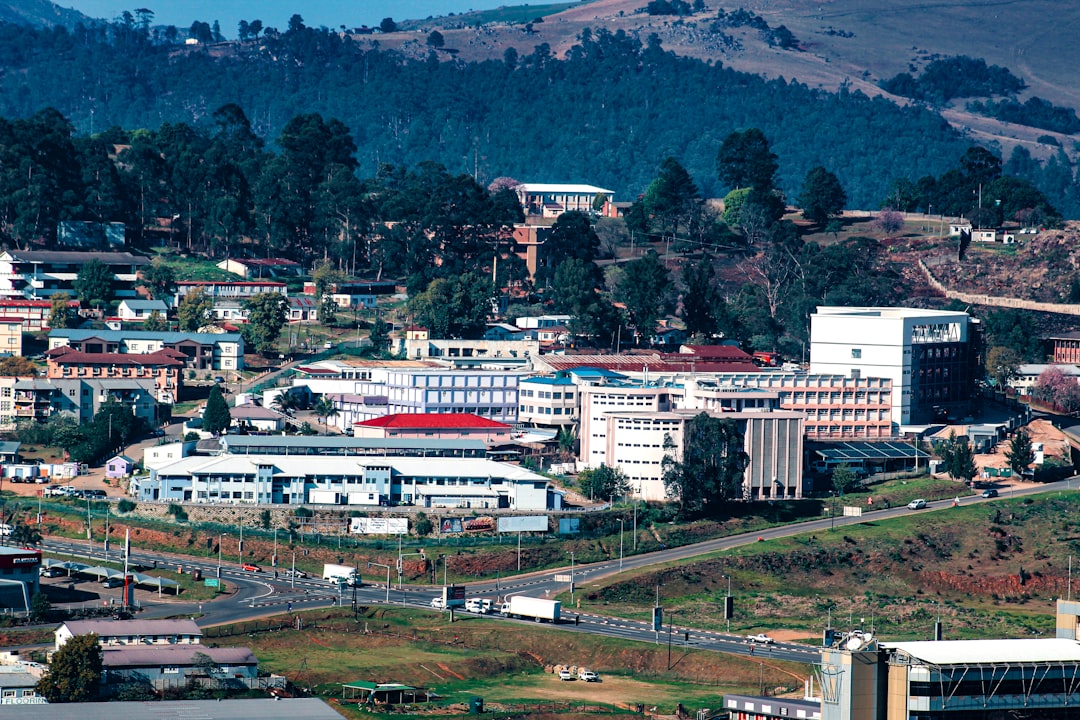
Eswatini, formerly known as Swaziland, is a small but vibrant kingdom nestled in Southern Africa, brimming with a rich and captivating cultural heritage. At the very core of this heritage lies its traditional music and dance, expressions that weave together history, spirituality, community, and celebration. From the rhythmic pulse of ancient drums to the graceful sway of traditional ceremonies, Eswatini's sound and movement tell a powerful story of identity and resilience.
The Soulful Rhythms of Eswatini
Traditional music in Eswatini is far more than just entertainment; it's an integral part of daily life, ceremonies, and historical narratives. It serves as a communal language, conveying emotions, stories, and the collective spirit of the Emaswati people. The music often accompanies work, rituals, and social gatherings, fostering a deep sense of community and belonging.
Key Traditional Musical Instruments
The soundscape of Eswatini is rich with unique instruments, each contributing its distinct voice to the vibrant harmonies:
- Makoyane: A traditional one-stringed musical bow, often played by women, creating soulful, resonant tones. It's played by striking the string with a stick and often accompanied by vocal harmonics.
- Ligubhu: While traditional drums are present, the term "Ligubhu" can refer to a larger calabash-resonated musical bow, sometimes played with a stick or hand. Drums themselves are diverse, ranging from small hand drums to larger ceremonial ones, driving the rhythmic foundation.
- Sicholo: These are calabash rattles or shakers, often filled with seeds or small stones, providing intricate rhythmic textures and a distinctive percussive sound, especially in dance.
- Vocal Choirs: Perhaps the most prominent "instrument" is the human voice. Harmonious chanting and call-and-response singing are central to Eswatini's music, often creating complex vocal layers.
- Hand Clapping and Foot Stomping: These natural forms of percussion are essential, adding dynamic layers and energy to performances.
The Expressive Art of Eswatini Dance
Traditional dance in Eswatini is a powerful visual spectacle, deeply intertwined with its music and ceremonial life. Each dance carries specific meanings, reflecting social structures, historical events, and spiritual beliefs. These dances are not merely performances but acts of cultural preservation and identity.
Diverse Dance Forms and Their Meanings
Eswatini boasts several iconic dance forms, each with its unique purpose and symbolism:
- Umhlanga (Reed Dance): This is perhaps the most famous and culturally significant dance. It is an annual eight-day ceremony where tens of thousands of unmarried and childless Swazi maidens gather reeds, presenting them to the Queen Mother. The maidens, adorned in vibrant traditional attire, perform captivating dances, symbolizing chastity, unity, and respect for the monarchy.
- Incwala (First Fruits Ceremony): The most sacred of all Swazi ceremonies, the Incwala is a ritual of kingship, purification, and renewal. It involves various dances performed by warriors and regiments, showcasing strength, discipline, and loyalty to the King. The dances are steeped in ancient customs and are not for public display in the same way as Umhlanga.
- Warrior Dances (e.g., Sibhaca): Energetic and highly rhythmic, these dances are performed by men, often accompanied by drums and chants. They involve synchronized stomping, high kicks, and shield movements, demonstrating bravery, power, and communal spirit. While Sibhaca is a distinct competitive dance form, similar warrior-inspired movements are seen in various traditional contexts.
- Social and Celebration Dances: Beyond the grand ceremonies, various dances are performed during weddings, initiations, and general celebrations. These are often more informal, fostering joy, interaction, and community bonding.
Where Traditions Come Alive: Festivals and Celebrations
The vibrancy of Eswatini's traditional music and dance is most vividly experienced during its numerous national and local festivals. These events are not only tourist attractions but crucial moments for the Emaswati people to reaffirm their cultural identity and pass on traditions to younger generations.
- The Umhlanga (Reed Dance): Annually held in late August or early September, drawing both participants and spectators globally.
- The Incwala (First Fruits Ceremony): A complex and deeply revered ritual, usually held in December or January, signifying the beginning of the harvest and the renewal of the kingdom.
- National Events: Various other state and community events often feature traditional dance troupes and musical performances, showcasing the rich tapestry of Eswati culture.
Preserving a Precious Cultural Heritage
In an ever-globalizing world, Eswatini remains committed to preserving its unique musical and dance traditions. Efforts include:
- Cultural Education: Teaching younger generations the significance of the dances, songs, and instruments.
- Government Support: Royal patronage and national institutions play a vital role in upholding traditional ceremonies.
- Community Involvement: Elders continue to teach and guide the youth, ensuring the continuity of practices.
- Tourism and Exposure: Responsible tourism helps to showcase these traditions to the world, providing a platform for their appreciation and a means for their economic sustainability.
The traditional music and dance of Eswatini are much more than artistic expressions; they are the living breath of a nation, a testament to its deep-rooted history, spirituality, and communal values. Experiencing these rhythmic stories and vibrant movements offers an unparalleled glimpse into the heart and soul of the Emaswati people, making Eswatini a truly unforgettable destination for cultural exploration.