Unveiling Emirati Elegance: A Comprehensive Guide to UAE Traditional Dress and Costumes
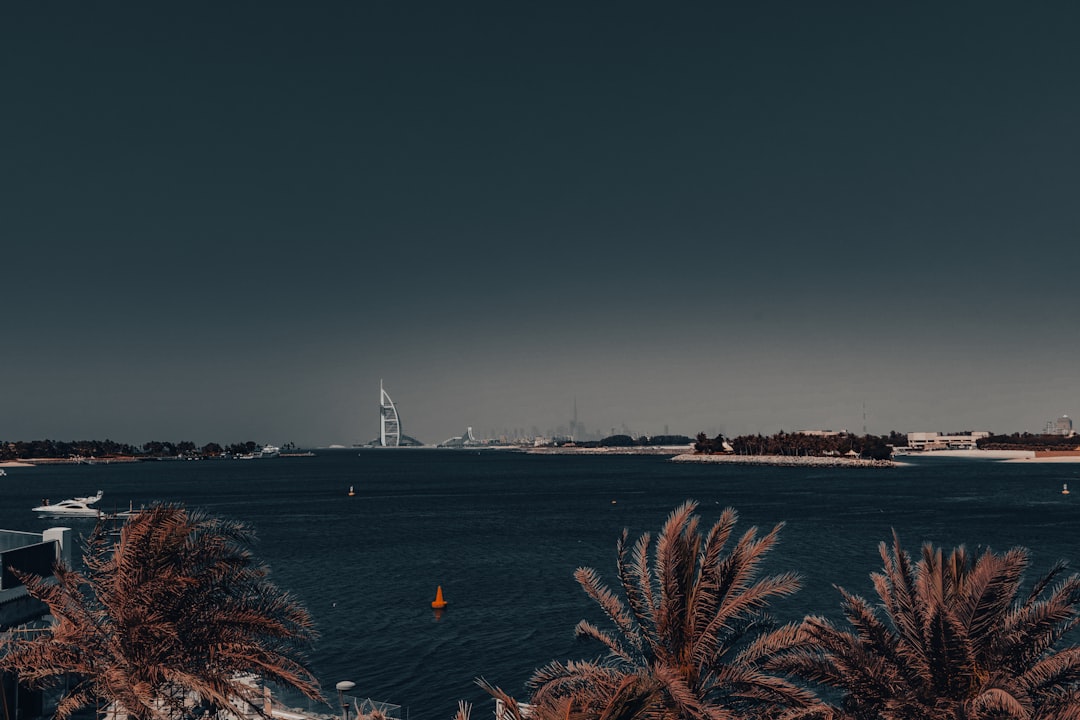
The United Arab Emirates, a land where ancient traditions meet futuristic aspirations, boasts a rich cultural tapestry deeply woven into its national identity. At the heart of this identity lies its traditional dress, a captivating expression of heritage, climate adaptation, and timeless elegance. Far from being mere garments, these costumes tell stories of resilience, respect, and a profound connection to the land and its people. Understanding Emirati attire offers a unique window into the values and aesthetics that shape this vibrant nation.
Men's Traditional Dress: A Symbol of Dignity and Comfort
Emirati men's traditional attire is renowned for its dignified simplicity and practical design, perfectly suited to the desert climate while exuding an air of respect and cultural pride.
The Iconic Kandura (Dishdasha)
The most recognizable garment is the Kandura, also known as Dishdasha in some Gulf regions.
- It is a long, loose-fitting ankle-length robe, typically made from crisp white cotton, especially in the summer months, to reflect sunlight and keep cool. During cooler periods, darker or thicker fabrics may be chosen.
- Style Variations: While often perceived as uniform, subtle differences exist, particularly in the collar and cuffs, indicating regional or personal preferences. Emirati Kanduras often feature a small, round collar and elegant embroidery around the neck and sleeves.
- Significance: The Kandura is not just clothing; it represents modesty, cleanliness, and a strong connection to Emirati heritage.
Headwear: Ghutra, Keffiyeh, and Agal
Complementing the Kandura is the distinctive headwear, essential for both sun protection and cultural adherence.
- Ghutra: This is a square piece of cloth, usually white or red and white checkered (Keffiyeh). It is folded into a triangle and draped over the head. The white Ghutra is the most common choice for Emiratis.
- Agal: A black cord worn on top of the Ghutra to keep it in place. It symbolizes dignity and is traditionally made from goat hair or a similar material.
- Cultural Role: This combination protects from the sun and sand while maintaining a distinguished appearance.
Supplementary Garments: Bisht
For formal occasions, religious ceremonies, or important gatherings, men may wear a Bisht over their Kandura.
- The Bisht is a flowing outer cloak, typically made of wool or camel hair, often in black, brown, beige, or grey.
- It is characterized by intricate gold or silver embroidery along the edges and sleeves, adding a touch of grandeur and prestige.
- Significance: Wearing a Bisht denotes status, respect, and is reserved for significant events, much like a tuxedo or formal coat in Western cultures.
Women's Traditional Dress: Grace, Modesty, and Identity
Emirati women's attire embodies grace, modesty, and a deep appreciation for tradition, all while embracing contemporary styles. These garments reflect an evolving balance between cultural norms and modern fashion sensibilities.
The Versatile Abaya
The most prominent item in Emirati women's traditional wardrobe is the Abaya.
- It is a long, loose-fitting black cloak that covers the entire body, traditionally worn over other clothes when in public.
-
Evolution: While historically a plain garment, the modern Abaya has transformed into a fashion statement, incorporating:
- Intricate embroidery
- Crystal embellishments
- Lace detailing
- Contemporary cuts and designs
- Cultural Role: The Abaya primarily serves as a symbol of modesty and respect for cultural traditions, but it is also a canvas for personal style and elegance.
Head and Face Coverings: Shayla, Gishwa, and Burqa
Various head and face coverings are worn, each with its own purpose and cultural significance.
- Shayla: A light, rectangular headscarf, typically black, draped loosely over the head and shoulders, often allowing the hair to show at the front. It is the most common head covering in the UAE.
- Gishwa/Niqab: A veil that covers the entire face, leaving only the eyes visible. While less common in daily wear among younger generations, it is still worn by some women as a personal choice for added modesty.
- Burqa: Distinct from the full-face fabric veil, the traditional Emirati Burqa is a metallic-looking face mask, often made from stiff fabric like leather or cotton, dyed in a specific color (often dark gold or red-brown). It covers the bridge of the nose, forehead, and upper lip, leaving the eyes and mouth exposed. Historically worn by Bedouin women, it is now primarily seen on older generations and is a strong cultural emblem.
Underneath and At Home: The Thobe and Jalabiya
Beneath the Abaya, or when at home, Emirati women wear other beautiful garments.
- Thobe/Jalabiya: These are colorful, comfortable, and often intricately embroidered dresses. They are worn for daily activities within the home or when socializing with family and close friends. They can range from simple, breathable fabrics to lavishly decorated outfits for private gatherings.
- Layering: Women often wear these vibrant dresses under their Abayas, revealing flashes of color and intricate design as they move, adding another layer to their elegant presentation.
Preserving Heritage and Embracing Modernity
Emirati traditional dress is more than just clothing; it is a living heritage that continues to evolve.
- Cultural Significance: These garments are deeply ingrained in national identity, reflecting Islamic values of modesty and practicality for the climate. They are proudly worn during national holidays, religious festivals, and daily life, symbolizing a connection to the past and respect for cultural norms.
- Contemporary Trends: Emirati designers are at the forefront of blending tradition with modernity. They are innovating with Abaya designs, incorporating global fashion trends, and using sustainable materials, ensuring that traditional attire remains relevant, stylish, and globally recognized. This dynamic fusion keeps the heritage alive while catering to modern tastes.
Conclusion: A Tapestry of Tradition and Style
The traditional dress and costumes of the United Arab Emirates are a captivating blend of history, culture, and elegance. From the dignified Kandura and Ghutra of men to the graceful Abaya and unique Burqa of women, each garment tells a story of identity, resilience, and adaptability. These attires are not static relics of the past but vibrant, evolving expressions of Emirati pride, beautifully bridging the gap between a cherished heritage and a forward-looking future. They stand as a testament to a culture that values both tradition and progress, inviting the world to appreciate its profound beauty and depth.