Unveiling Croatia's Marine Wonders: The Ultimate Guide to Whale & Dolphin Watching
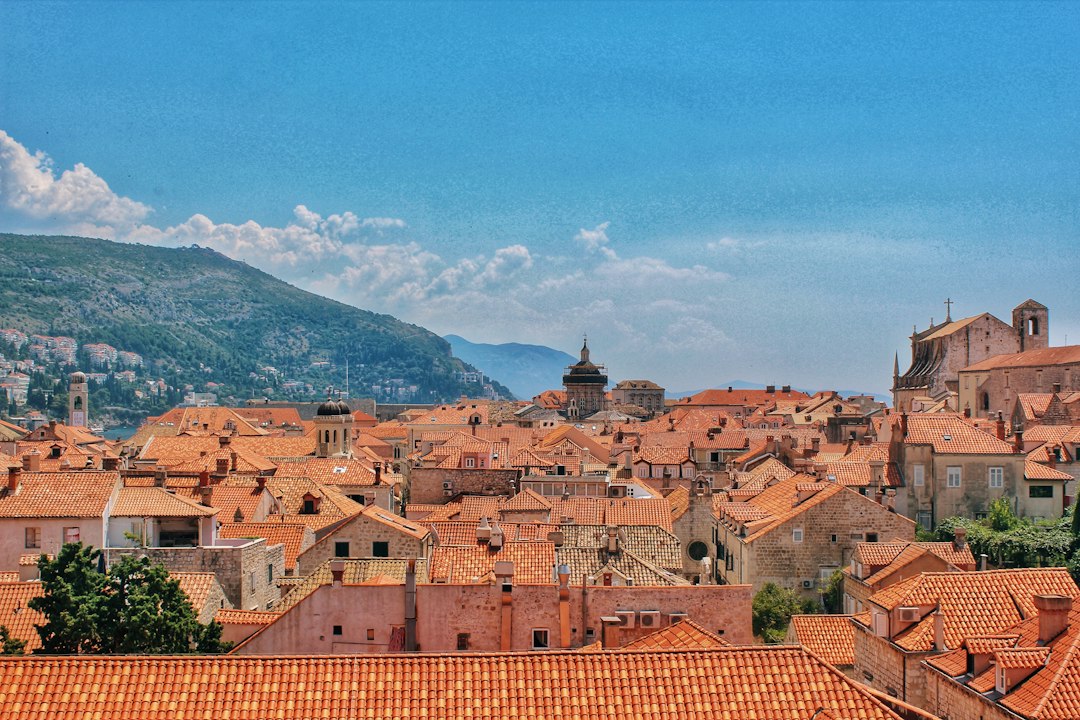
Croatia, a jewel of the Adriatic, is renowned for its stunning coastlines, ancient cities, and crystal-clear waters. While many associate it with island hopping and historical tours, a vibrant secret lies beneath its waves: a thriving marine ecosystem perfect for whale and dolphin watching. Discover the best spots to witness these magnificent creatures in their natural habitat, ensuring an unforgettable adventure.
Why Croatia for Whale & Dolphin Watching?
The Adriatic Sea, particularly its Croatian side, boasts unique characteristics that make it a haven for various marine species. While whale sightings are considerably rarer, the Adriatic is a vital feeding and breeding ground for several dolphin species, most notably the bottlenose dolphin. The deep waters and abundant fish provide an ideal environment for these intelligent mammals.
Top Spots for Dolphin Watching in Croatia
Dolphins are far more common than whales in the Croatian Adriatic, and several locations offer excellent opportunities to observe them.
Lošinj Archipelago: The Dolphin's Haven
Often hailed as the "Dolphin Island", the Lošinj archipelago is undoubtedly the premier destination for dolphin watching in Croatia. Home to a resident population of over 200 bottlenose dolphins, this area is a critical habitat.
- The Blue World Institute of Marine Research and Conservation, based in Veli Lošinj, actively monitors and protects these dolphins.
- Numerous local tour operators offer responsible dolphin-watching excursions, often collaborating with the institute.
- Sightings here are frequent and often spectacular, making it a must-visit for marine enthusiasts.
Kornati National Park: A Dramatic Backdrop for Dolphins
The Kornati National Park, a breathtaking cluster of 89 islands, islets, and reefs, offers not only unparalleled natural beauty but also a high chance of dolphin encounters.
- The park's intricate waterways and rich fishing grounds attract dolphins.
- Boat trips through the national park often include opportunities to spot pods playing in the waves.
- The dramatic cliffs and clear waters provide an incredible setting for wildlife photography.
Vis & Biševo Islands: Deep Water Encounters
Further south, the islands of Vis and Biševo are surrounded by deeper waters, which can occasionally attract different marine life.
- While primarily known for the Blue Cave, boat tours around these islands can reveal dolphin pods swimming further offshore.
- The less crowded waters here can sometimes offer a more serene viewing experience.
Southern Dalmatia: Dubrovnik & Beyond
The southern stretch of the Croatian coast, including areas around Dubrovnik, also presents opportunities for dolphin sightings.
- Many boat tours, especially those exploring the Elafiti Islands or heading further out into the open sea, report dolphin sightings.
- The diverse marine environment here supports various species, making every trip a potential wildlife adventure.
The Rarity and Thrill of Whale Sightings in Croatia
While dolphin sightings are relatively common, whale sightings in Croatia are a truly special and rare occurrence. The Adriatic Sea is considered a marginal habitat for most large whale species due to its relatively enclosed nature and depth limitations in some areas. However, some species do venture into its waters.
Sperm Whales: Deep-Sea Giants
The most prominent large cetacean to occasionally visit the Croatian Adriatic is the sperm whale.
- These deep-diving giants are typically found in the southernmost, deepest parts of the Adriatic, particularly off the coast of Italy and sometimes venturing into Croatian waters.
- Sightings are infrequent and generally happen in open, deep oceanic areas, making planned tours specifically for sperm whales virtually non-existent.
- Any encounter with a sperm whale in the Adriatic is considered a significant and rare event for researchers and lucky sailors alike.
Fin Whales and Other Migratory Species
On even rarer occasions, fin whales, the second-largest animal on Earth, have been spotted in the Adriatic, usually during their migratory routes. Other species, like Cuvier's beaked whales, have also been recorded, emphasizing the diverse, albeit rare, presence of large cetaceans in this unique sea.
Best Time for Whale & Dolphin Watching in Croatia
To maximize your chances of a successful wildlife encounter, timing is key.
- Spring (May) to Autumn (October) is generally the best season for marine wildlife watching in Croatia.
- Late spring and early autumn offer pleasant weather, calmer seas, and often clearer waters, making spotting easier.
- Summer months (July-August) are popular for tourism, meaning more boat traffic, but also more opportunities for tours. Dolphins are present year-round, but calmer seas make for better viewing.
Essential Tips for a Responsible Wildlife Encounter
To ensure both your enjoyment and the well-being of these magnificent creatures, consider these tips:
- Choose Reputable Tour Operators: Select companies that adhere to ethical wildlife viewing guidelines and prioritize the animals' welfare.
- Maintain Distance: Respect the animals' space. Boats should not chase or harass dolphins or whales.
- Be Patient: Wildlife watching requires patience. There's no guarantee of a sighting, but the journey itself is part of the adventure.
- Bring Essentials: Don't forget sunscreen, sunglasses, a hat, binoculars, and a good camera to capture those magical moments.
- Listen to Your Guide: Your tour guide is experienced and will provide crucial information on spotting and behavior.
Embark on a marine adventure to Croatia and discover the enchanting world of its dolphins and, if you're extraordinarily lucky, its majestic whales. It's an experience that truly connects you with the wild heart of the Adriatic.