Unveiling Chile's Subterranean Secrets: A Guide to Its Most Stunning Caves & Grottoes
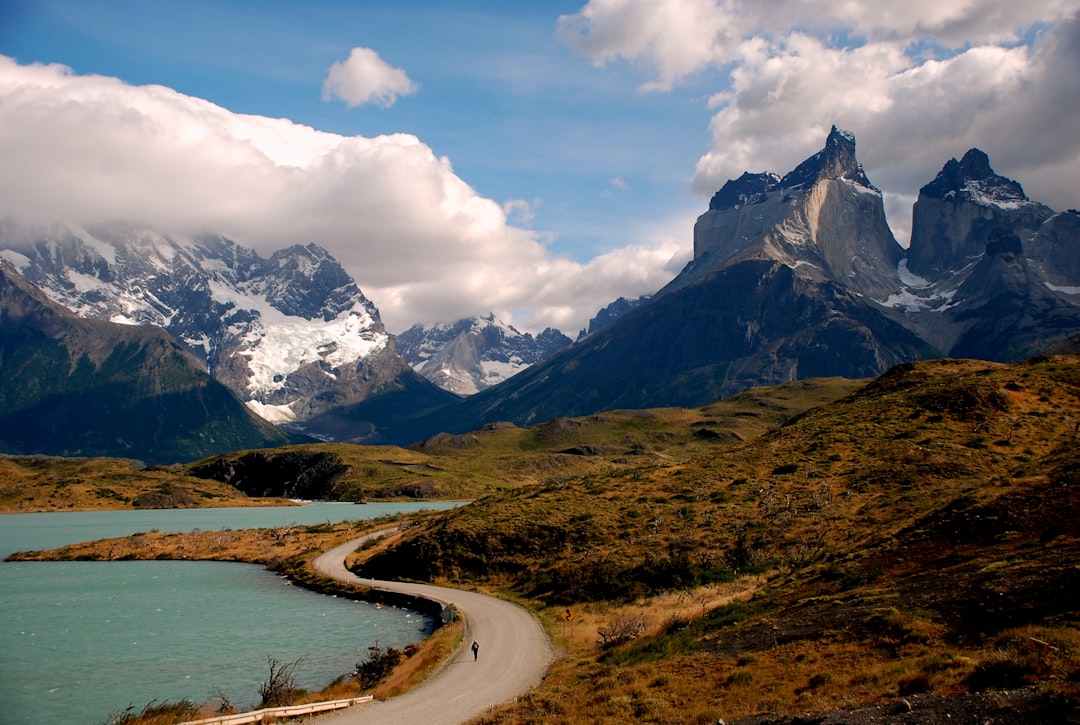
Chile, a land of unparalleled natural beauty, extends beyond its majestic mountains and pristine coastlines. Beneath its diverse landscapes lies a hidden world of spectacular caves and grottoes, waiting to be explored. From geological marvels sculpted by millennia to ancient shelters holding untold stories, Chile's subterranean realm offers an extraordinary adventure for every traveler. Dive into the heart of the earth and discover these incredible natural formations.
The Iconic Marble Caves (Capillas de Mármol), Patagonia
Undoubtedly one of Chile's most famous natural wonders, the Marble Caves, or Capillas de Mármol, are a breathtaking spectacle. Located on the General Carrera Lake in Patagonia, these unique geological formations are carved into solid marble cliffs by centuries of water erosion.
What Makes Them Special
- Vivid Colors: The caves boast a kaleidoscope of turquoise, emerald, and sapphire hues, reflecting off the pristine glacier-fed waters of the lake. The colors shift dramatically with the sunlight and water levels, creating an ethereal experience.
- Natural Sculptures: Marvel at the smooth, polished marble walls, arches, and caverns, forming intricate patterns and cathedral-like structures.
- Photographer's Dream: The interplay of light, water, and marble makes this a premier destination for photographers and nature lovers alike.
Visitor Information
- Location: Puerto Río Tranquilo, Aysén Region, Chilean Patagonia.
- Access: Accessible only by boat or kayak tours, which depart regularly from Puerto Río Tranquilo.
- Best Time to Visit: The warmer months from December to March offer the calmest lake conditions and best light.
Exploring the Caves of the Central Region: La Cueva del Milodón
Journeying north from Patagonia, the Central Region also harbors significant cave systems. While not as numerous, they often carry historical and archaeological importance. The most renowned in the region (though technically in southern Patagonia near Puerto Natales) for its historical significance is the Cueva del Milodón Natural Monument.
What Makes It Special
- Prehistoric Past: This monumental cave complex gained fame for the discovery of remains of a giant ground sloth, the Milodón, in the late 19th century.
- Archaeological Significance: Beyond the Milodón, evidence of early human habitation has been found, offering insights into ancient cultures that once roamed Patagonia.
- Massive Scale: The main cave is an imposing cavern, over 200 meters deep and 30 meters high, providing a tangible sense of its prehistoric grandeur.
Visitor Information
- Location: 24 km north of Puerto Natales, Magallanes Region.
- Accessibility: Easily accessible by car or organized tour from Puerto Natales.
- Features: A replica of the Milodón stands at the entrance, giving visitors a sense of the creature's immense size. Well-maintained pathways lead through the caves.
The Enigmatic Ice Caves of San Rafael Lagoon
For the truly adventurous, the San Rafael Lagoon in Chilean Patagonia offers a rare glimpse into dynamic glacial caves. While not "permanent" caves in the geological sense, these temporary formations within the San Rafael Glacier are truly mesmerizing.
What Makes Them Special
- Ephemeral Beauty: These ice caves are formed by the melting and shifting of the San Rafael Glacier, revealing stunning tunnels and chambers of pure blue ice.
- Glacial Formations: Witness incredible formations of seracs, crevasses, and ice bridges up close.
- Unique Experience: Each visit is unique, as the caves constantly change due to glacial movement and climate.
Visitor Information
- Location: Laguna San Rafael National Park, Aysén Region.
- Access: Primarily by expedition cruise or catamaran from Puerto Chacabuco or Puerto Montt, requiring specialized tours. Landing on the ice and exploring the caves is usually done via Zodiac boats with experienced guides.
- Considerations: This is a more challenging and weather-dependent excursion, emphasizing safety and environmental respect.
General Tips for Cave Exploration in Chile
Exploring Chile's caves and grottoes is an unforgettable experience. To ensure a safe and enjoyable adventure, keep these tips in mind:
- Respect Nature: Many caves are fragile ecosystems. Do not touch formations, remove souvenirs, or leave any trash.
- Hire Certified Guides: Especially for less accessible or more challenging caves, local expert guides provide crucial safety knowledge and geological insights.
- Dress Appropriately: Caves can be cool and damp, even in warm weather. Wear layers, sturdy closed-toe shoes with good grip, and bring a reliable headlamp or flashlight.
- Check Conditions: Weather can significantly impact cave accessibility, particularly for water-accessed grottoes. Always check local conditions before planning your trip.
- Safety First: Be aware of your surroundings, follow all safety instructions, and do not venture into restricted areas.
Chile's subterranean landscapes are a testament to the planet's powerful natural forces. From the shimmering Marble Caves to the prehistoric Milodón den and the ephemeral blue ice grottoes, these hidden wonders offer a profound connection to Earth's ancient past and ongoing geological artistry. Embark on this incredible journey and unearth the magic that lies beneath the surface.