Unveiling Cambodia's Night Sky: Top Spots for Stargazing and Night Photography
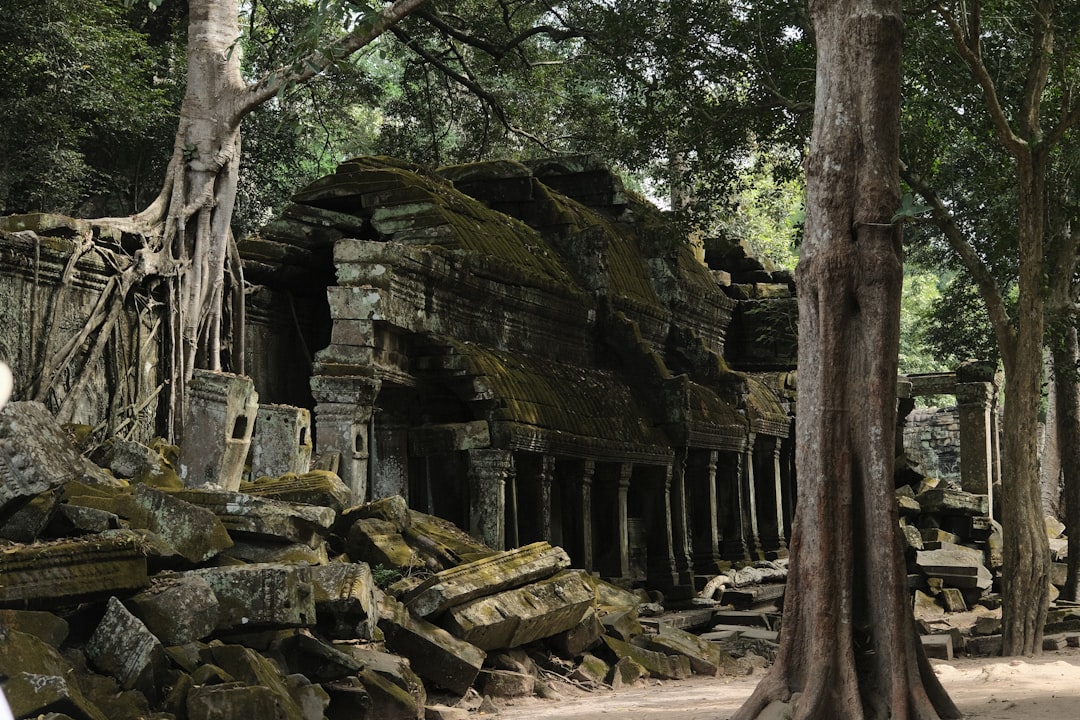
Cambodia, a land renowned for its ancient temples and lush landscapes, holds a breathtaking secret once the sun sets: an incredibly dark and pristine night sky. Far from the light pollution of major cities, vast stretches of this beautiful country offer unparalleled opportunities for stargazing and night photography. Imagine capturing the Milky Way arching over ancient ruins or the shimmering constellations reflected in a tranquil lake. This guide will illuminate the best places to experience Cambodia's celestial wonders.
Why Cambodia is a Stargazer's Paradise
Beyond its cultural allure, Cambodia's relatively underdeveloped rural areas and limited industrialization mean vast swathes of land remain free from urban glow. This creates ideal conditions for observing nebulae, distant galaxies, and the Milky Way in stunning clarity. For astrophotographers, the unique combination of a dark sky and iconic backdrops, like the centuries-old temples, offers truly once-in-a-lifetime shots.
Top Locations for Celestial Wonders
Discover the prime dark sky locations across Cambodia, each offering a distinct and unforgettable experience.
Angkor Archaeological Park (Siem Reap Province)
While famous for its daytime splendor, the Angkor Archaeological Park transforms into an ethereal canvas at night. Many temples, particularly those a bit further from the main tourist hubs, are incredible for night photography.
- Angkor Wat: While often lit up, specific angles or late hours can offer views of the constellations above its iconic spires.
- Ta Prohm (Tomb Raider Temple): The ancient trees entwined with ruins create a mystical silhouette against a starry backdrop.
- Preah Khan: Its complex structure and less crowded nature make it an excellent spot.
- Srah Srang: The ancient pond provides opportunities for reflections of the night sky. Tip: Always seek permission from local authorities or guides if venturing deep into the park after hours.
Mondulkiri Province
Located in eastern Cambodia, Mondulkiri is characterized by rolling hills, dense forests, and a sparse population. This remoteness translates directly into exceptionally dark skies, making it a prime stargazing destination.
- Phnom Doh Krohom (Red Mountain): Offers panoramic views, perfect for wide-field astrophotography.
- Bousra Waterfall: While a popular spot, areas around the waterfall can offer clear sky views.
- Rural homestays: Staying with local communities often provides unobstructed views of the night sky away from any light sources.
Ratanakiri Province
Even more remote than Mondulkiri, Ratanakiri is known for its rugged terrain, volcanic lakes, and indigenous cultures. It boasts some of Cambodia's darkest skies, ideal for serious astronomy enthusiasts and photographers.
- Yeak Laom Volcanic Lake: The tranquil surface can reflect the stars beautifully, offering unique photo opportunities.
- Virachey National Park: As one of Southeast Asia's largest protected areas, it promises virtually zero light pollution. Access often requires guides and permits.
- O'Kachang: A remote area within the province known for its natural beauty and dark skies.
Koh Rong and Koh Rong Sanloem (Islands)
For a unique coastal stargazing experience, head to Cambodia's southern islands. Away from the mainland's urban glow, these islands offer breathtaking views of the ocean meeting the cosmos.
- Long Beach, Koh Rong: Known for its long, pristine stretch of sand, ideal for setting up a tripod.
- Lazy Beach, Koh Rong Sanloem: Offers a quieter, more secluded environment perfect for peaceful observation.
- Bioluminescent Plankton: Combine your stargazing with the magical glow of bioluminescent plankton in the water, adding another layer to your night photography.
Cardamom Mountains
One of Southeast Asia's last great rainforest wildernesses, the Cardamom Mountains region is sparsely populated and heavily forested, guaranteeing incredibly dark skies. This area is for the adventurous, offering a truly wild and unspoiled night sky experience.
- Tatai Waterfall: While access can be challenging, the surrounding areas are pristine.
- Community-based ecotourism projects: Many offer accommodation in remote locations with excellent sky visibility.
Tips for a Successful Stargazing and Night Photography Trip
To make the most of your Cambodian night sky adventure, consider these essential tips:
Best Time to Visit
- Dry Season (November to May): Offers the clearest skies with minimal cloud cover and rain.
- New Moon Phases: Plan your trip around the new moon for the darkest skies and best visibility of faint objects like the Milky Way. Use a moon phase calendar.
Essential Gear for Night Photography
- DSLR or Mirrorless Camera: With good low-light performance.
- Wide-Angle Lens: With a fast aperture (f/2.8 or wider) to capture expansive nightscapes.
- Sturdy Tripod: Crucial for long exposures.
- Remote Shutter Release: To avoid camera shake.
- Headlamp with Red Light Mode: Preserves your night vision and is courteous to others.
- Extra Batteries: Long exposures drain power quickly.
- Warm Clothing: Even in Cambodia, nights can get cool, especially in rural areas.
- Bug Spray: Essential, particularly in natural areas.
Preparation and Safety
- Check Weather Forecasts: Clear skies are paramount.
- Inform Locals/Guides: Always let someone know where you're going, especially in remote areas.
- Respect Sacred Sites: Be mindful and respectful, especially when photographing temples at night.
- Leave No Trace: Pack out everything you pack in to preserve Cambodia's natural beauty.
Cambodia's night sky offers a profound and mesmerizing spectacle. By venturing beyond the well-trodden paths, you'll discover a world of shimmering stars, celestial wonders, and unparalleled photographic opportunities. Embrace the darkness, and let the Cambodian cosmos unveil its magic.