Unlocking Paradise: The Best Cities for Digital Nomads in Tanzania
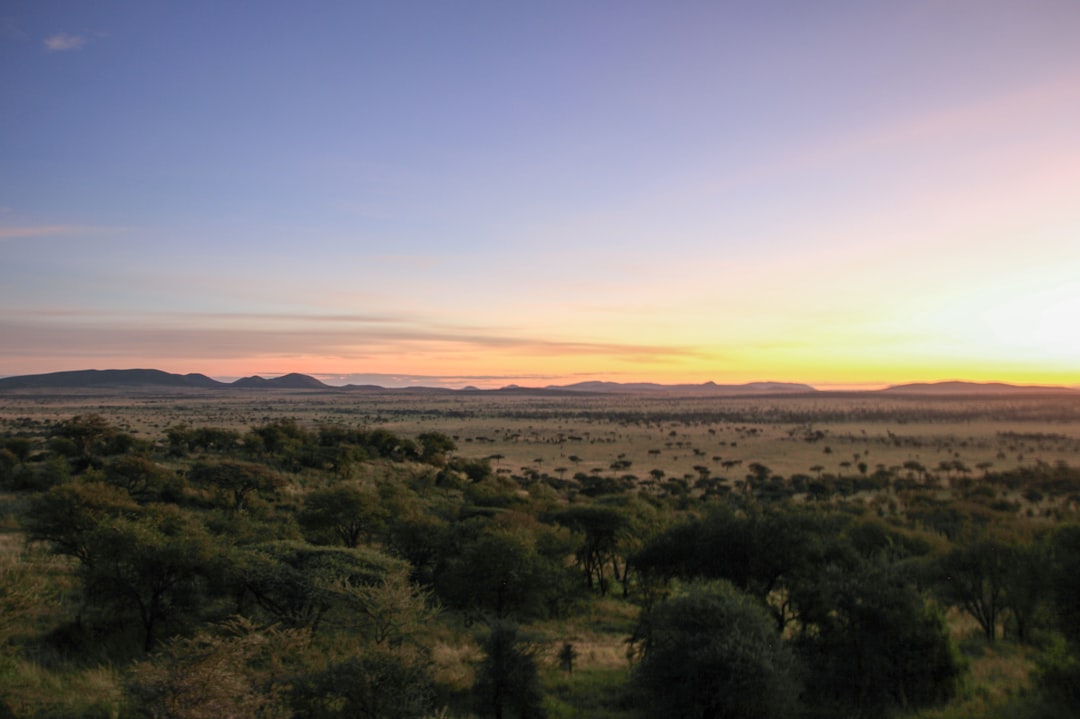
Tanzania, a land synonymous with breathtaking safaris, pristine beaches, and vibrant culture, is fast emerging as an exciting new frontier for digital nomads seeking adventure, affordability, and a unique lifestyle. If you're looking to swap your typical office for stunning landscapes and a rich cultural experience, the United Republic of Tanzania offers compelling options for remote work.
Why Tanzania is Your Next Digital Nomad Destination
Beyond its iconic wildlife and stunning coastlines, Tanzania presents several attractive factors for remote workers.
Affordable Cost of Living
One of Tanzania's most compelling draws is its low cost of living. Compared to Western countries, expenses for accommodation, food, and local transportation are significantly lower, allowing your budget to stretch further while enjoying a high quality of life. This affordability makes Tanzania an excellent choice for budget-conscious digital nomads.
Improving Internet Connectivity
While still developing in some rural areas, internet connectivity in major cities and tourist hubs is rapidly improving. High-speed mobile data is widely available and affordable, with multiple providers offering competitive packages. You'll also find reliable Wi-Fi in many hotels, cafes, and a growing number of co-working spaces.
Rich Culture and Lifestyle
Tanzania offers an incredibly diverse and rich cultural experience. From the bustling markets of Dar es Salaam to the historic alleyways of Stone Town, you'll be immersed in a vibrant mix of African, Arab, and Indian influences. The friendly locals and prevalent Swahili language (easy to pick up basics) contribute to a welcoming environment. Plus, epic adventures like safaris, Mount Kilimanjaro treks, and Zanzibar's beaches are always within reach.
Top Cities for Remote Work in Tanzania
Choosing the right base is crucial for a successful digital nomad experience. Here are Tanzania's top contenders for remote workers:
Dar es Salaam
As Tanzania's largest city and economic hub, Dar es Salaam offers the most developed infrastructure for remote work.
-
Pros:
- Abundance of co-working spaces and cafes with reliable internet.
- Large expat community and international amenities.
- Diverse culinary scene and lively nightlife.
- Best access to international flights and modern facilities.
- Strongest internet infrastructure in the country.
-
Cons:
- Heavy traffic can be challenging.
- Hot and humid climate for much of the year.
- Can feel overwhelming for those preferring quieter environments.
- Recommended Areas: Oysterbay, Masaki, and Mikocheni are popular expat areas known for good amenities, safer neighborhoods, and proximity to the ocean.
Zanzibar (Stone Town & Beach Towns)
The semi-autonomous archipelago of Zanzibar is a magnet for travelers and digital nomads seeking a more relaxed, island pace of life.
-
Pros:
- Stunning beaches and turquoise waters for weekend getaways.
- Unique culture and historical charm of Stone Town (a UNESCO World Heritage site).
- Growing digital nomad community, especially in Stone Town, Paje, and Nungwi.
- Relaxed atmosphere conducive to creativity.
- Strong tourism infrastructure means many places cater to international visitors.
-
Cons:
- Internet can be spottier outside Stone Town; power outages are more frequent.
- Some items might be pricier than on the mainland due to import costs.
- More conservative cultural norms in some areas require respectful dress.
- Focus: Stone Town for daily work and cultural immersion, with Paje or Nungwi offering more beach-centric living with a decent digital nomad presence.
Arusha
Nestled at the foot of Mount Meru and acting as the gateway to the Northern Safari Circuit, Arusha offers a cooler climate and a more laid-back atmosphere than Dar es Salaam.
-
Pros:
- Proximity to world-class national parks like Serengeti, Ngorongoro, and Tarangire.
- Cooler climate due to its higher elevation.
- Significant expat and NGO community.
- More relaxed and less congested than Dar es Salaam.
- Stunning mountain views.
-
Cons:
- Fewer dedicated co-working spaces compared to Dar.
- Limited options for diverse nightlife or dining.
- Less developed public transport system.
- Ideal for: Those who prioritize nature, cooler weather, and a quieter pace, with regular safari adventures on their doorstep.
Essential Tips for Digital Nomads in Tanzania
To ensure a smooth transition and productive remote work experience in Tanzania, consider these tips:
Internet and Power Reliability
- Get a Local SIM Card: Vodacom, Airtel, and Tigo offer excellent mobile data packages at affordable rates.
- Power Banks and Converters: Power outages can occur, so having a power bank for your devices and a universal adapter (Type D/G) is essential. Consider a local power surge protector.
Accommodation
- Diverse Options: From serviced apartments and guesthouses to Airbnb rentals and hotels, there are options for various budgets.
- Long-Term Rentals: For extended stays, consider negotiating long-term rental deals directly with landlords or through local agents.
Transportation
- Ride-Sharing Apps: Apps like Bolt are widely available in Dar es Salaam and Zanzibar for convenient and safe travel.
- Local Transport: Don't shy away from daladalas (minibuses) for an authentic experience, but be mindful of crowded conditions. Bajajis (tuk-tuks) are great for shorter distances.
Safety and Health
- Health Insurance: Ensure you have comprehensive travel and health insurance that covers medical emergencies abroad.
- Malaria Prevention: Consult your doctor about anti-malarial medication and use insect repellent, especially during dusk and dawn.
- General Safety: Be aware of your surroundings, avoid walking alone at night, and keep valuables out of sight.
Banking and Money
- Local Currency: The Tanzanian Shilling (TZS) is the local currency.
- Mobile Money: Services like M-Pesa are ubiquitous and incredibly convenient for local transactions.
- ATMs: Widely available in cities, but inform your bank of your travel plans.
Tanzania offers an unparalleled blend of vibrant culture, stunning nature, and a growing infrastructure for remote work. With careful planning and an adventurous spirit, digital nomads can find a truly unique and fulfilling experience in this East African gem.