Unlocking Luxembourg's Past: A Guide to Its Historic City Gates
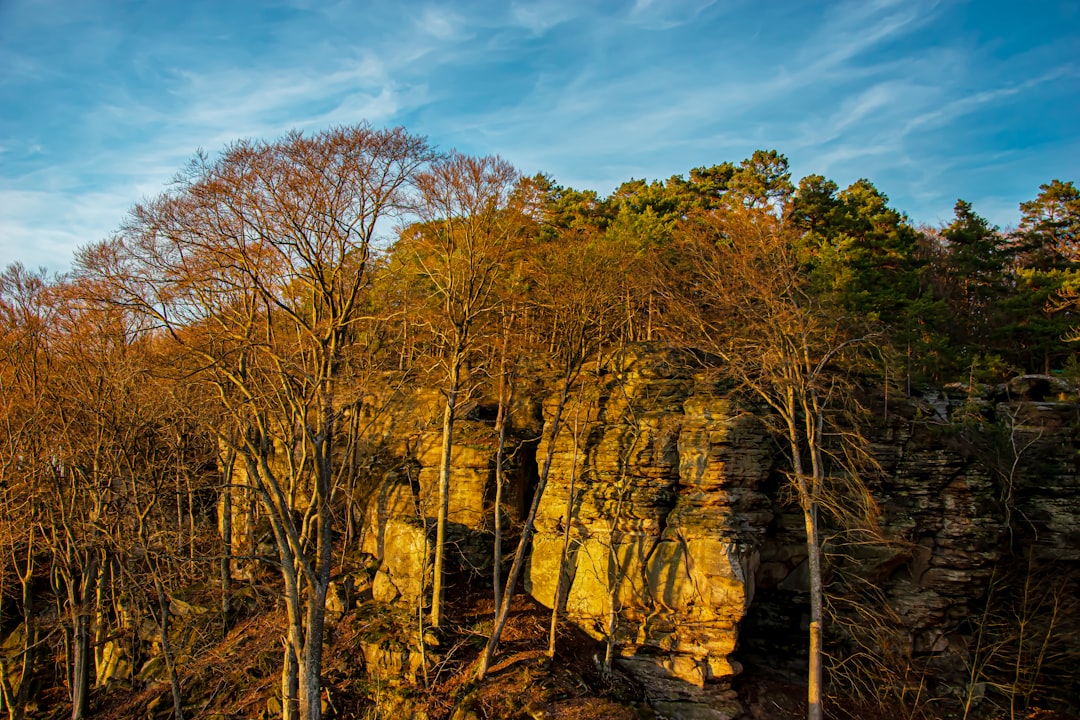
Luxembourg City, often called the "Gibraltar of the North," boasts a rich and complex history etched into its very foundations. A UNESCO World Heritage site, this captivating capital is famed for its dramatic cliffs, deep valleys, and, crucially, its formidable fortifications. Among these historical marvels, the city gates stand out as silent sentinels, each with a story to tell. Far more than mere entrances, these architectural gems are windows into centuries of strategic importance, defense, and daily life.
Join us on a journey to explore the most iconic and historically significant city gates in Luxembourg, where every archway and stone bastion whispers tales of empires and resilience.
Why Explore Luxembourg's City Gates?
The city gates of Luxembourg are not just remnants of a bygone era; they are vital components of its identity and heritage. Exploring them offers a unique perspective on several aspects:
- Historical Significance: These gates were critical choke points in the city's elaborate defensive network, witnessing countless sieges and periods of occupation. They are tangible links to Luxembourg's past as one of Europe's most heavily fortified places.
- Architectural Marvels: Each gate showcases distinct periods of military engineering and architectural styles, from medieval watchtowers to more elaborate baroque designs.
- Stunning Views: Many gates are strategically positioned, offering panoramic vistas of the city, the Alzette and Petrusse valleys, and the picturesque Grund district. They are perfect spots for photographers and history enthusiasts alike.
- Gateway to Exploration: Often, these gates serve as entry points to other significant historical sites, such as the Bock Casemates, the Wenzel Wall, or the Chemin de la Corniche.
Iconic Gates You Must See
To truly appreciate Luxembourg's fortified history, here are some of the most famous gates and their surrounding structures that demand your attention:
The Porte des Trois Tours (Three Towers Gate)
Nestled within the enchanting valley, the Porte des Trois Tours is an iconic example of medieval defensive architecture.
- Location: Part of the Wenzel Wall, specifically the third ring of fortifications, which dates back to the 14th century.
- History: This gate was a crucial part of the city's outer defenses, protecting the lower town and controlling access along the Alzette River. Its name derives from the three impressive towers that once guarded it.
- Significance Today: Though partially in ruins, it remains a majestic sight and an excellent spot to appreciate the scale of Luxembourg's historical fortifications. It offers fantastic views of the Grund and the surrounding valley.
The Porte Saint-Esprit (Holy Spirit Gate)
Perched strategically above the Petrusse Valley, the Porte Saint-Esprit played a vital role in controlling access to the upper city plateau.
- Location: Leads to the Citadel du Saint-Esprit, a key defensive complex.
- History: Constructed in the 17th century, this gate was an integral part of the Spanish and later Austrian fortifications, designed to repel invaders attempting to breach the city from the south. Its formidable design with drawbridges and guardhouses made it a daunting barrier.
- Significance Today: It provides a dramatic approach to the historic center and offers breathtaking views of the Petrusse Valley, the Adolphe Bridge, and the modern city skyline.
The Grund Gate and Rham Plateau Access
While perhaps less imposing than its upper city counterparts, the various gates and access points leading into the Grund district are historically crucial and incredibly picturesque.
- Location: Situated at the base of the cliffs, providing entry into the charming lower town of Grund and access to the Rham Plateau.
- History: These smaller gates and archways controlled access for residents and merchants moving between the lower and upper parts of the city. They were part of a complex system of internal defenses, protecting the district even if outer walls were breached.
- Significance Today: Walking through these gates transports you into a different era. They offer unique perspectives of the towering cliffs and fortifications above, leading to quaint streets, historic pubs, and the tranquil Alzette River. The Rham Plateau itself, accessible via these routes, provides further elevated views and historical remnants.
Planning Your Visit
To make the most of your exploration of Luxembourg's city gates:
- Wear Comfortable Shoes: You'll be doing a lot of walking, often uphill or downstairs.
- Bring Your Camera: The views are truly photographic gold.
- Consider a Guided Tour: Local guides can provide in-depth historical context that brings these structures to life.
- Combine with Other Attractions: The gates often lead to or are near other major sites like the Bock Casemates, the Chemin de la Corniche (Europe's most beautiful balcony), and the National Museum of History and Art.
- Visit in Different Seasons: The gates offer varied beauty, from lush green surroundings in summer to snow-dusted majesty in winter.
Luxembourg's city gates are more than just old stones; they are profound symbols of a nation's enduring spirit and a testament to human ingenuity. Come and discover the stories they tell, and let them guide you through the heart of this remarkable European capital.