Unlock Mongolia's Magic: The Best Time to Visit for Perfect Weather & Epic Adventures
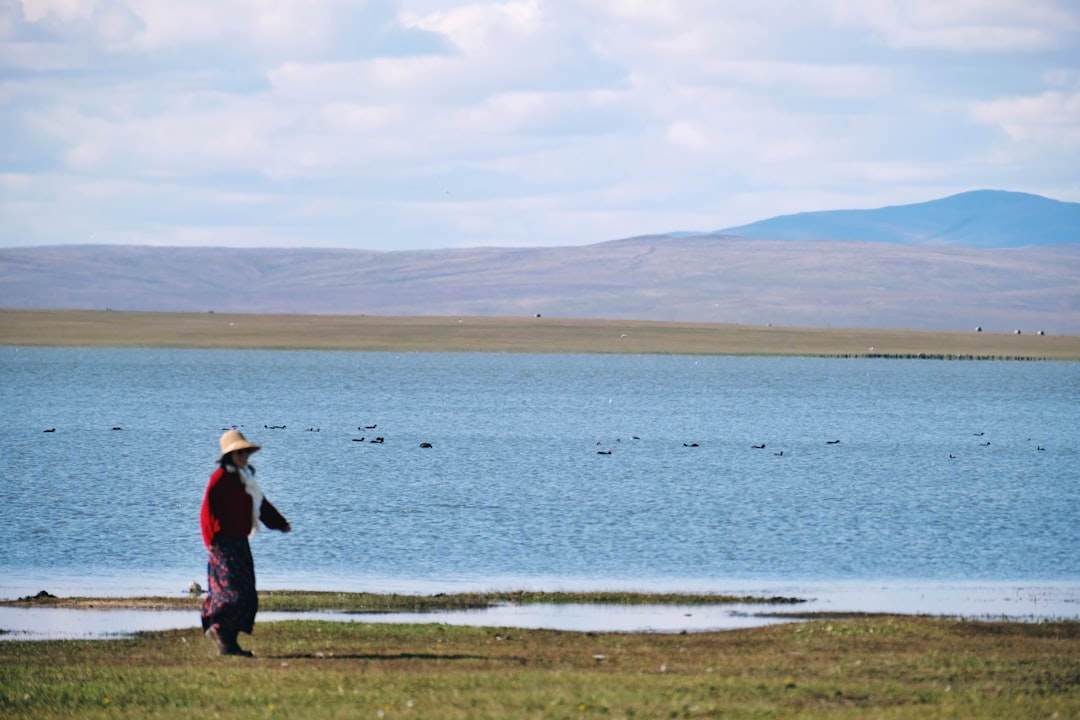
Mongolia, the Land of the Eternal Blue Sky, offers an unparalleled travel experience. From vast steppes to towering mountains and the iconic Gobi Desert, its rugged beauty is captivating. However, due to its continental climate, timing your visit is crucial for enjoying the diverse landscapes and cultural wonders with the most comfortable weather. Choosing the right season can transform your trip from challenging to truly unforgettable.
Mongolia's Seasons at a Glance: Finding Your Ideal Weather Window
Understanding Mongolia's distinct seasons is key to planning your perfect adventure. Each period offers a unique set of experiences, weather patterns, and activities.
Summer: The Golden Window (June to August)
This is unequivocally the peak season for tourism in Mongolia, and for good reason. Summer brings the warmest months, lush green landscapes, and the most accessible conditions for travel across the country.
- Weather: Expect average daytime temperatures ranging from 20°C to 30°C (68°F to 86°F), though nights can still be cool, especially in higher altitudes. Rainfall is moderate, often in short, refreshing showers.
-
Activities:
- Naadam Festival (July): Mongolia's most famous cultural festival, featuring traditional wrestling, horse racing, and archery. A must-see cultural spectacle.
- Gobi Desert expeditions: Ideal conditions for exploring sand dunes, ancient dinosaur sites, and petroglyphs.
- Horse trekking: Experience nomadic life firsthand by riding across vast steppes.
- Hiking and camping: Enjoy the vibrant natural beauty in its prime.
- Pros: Optimal weather, all attractions open, vibrant cultural events, easiest travel.
- Cons: Higher prices, more tourists, especially around Naadam.
Autumn: A Photographer's Dream (September to October)
For those seeking crisp air, golden hues, and fewer crowds, autumn is a strong contender for the best time to visit Mongolia. The summer heat subsides, leaving behind stunning fall colors.
- Weather: Daytime temperatures are pleasantly cool, typically 10°C to 20°C (50°F to 68°F), gradually dropping as October progresses. Nights become much colder, often dipping below freezing.
-
Activities:
- Golden Eagle Festival (early October in Western Mongolia): A breathtaking display of Kazakh nomadic hunting traditions.
- Photography: The landscapes transform with vibrant reds, yellows, and oranges, especially in forested areas.
- Wildlife viewing: Animals are active before winter sets in.
- Horse riding: Still excellent conditions for equestrian adventures.
- Pros: Fewer tourists, stunning scenery, pleasant daytime temperatures, unique cultural festivals like the Eagle Festival.
- Cons: Nights are cold, some tourist camps start closing down by late October, shorter daylight hours.
Spring: Rebirth and Wildflowers (April to May)
Spring is a transitional period in Mongolia, characterized by the thawing of winter and the rebirth of nature. While it can be unpredictable, it offers unique beauty for adventurous travelers.
- Weather: Highly variable. Temperatures can range from 0°C to 15°C (32°F to 59°F), with strong winds being common, especially in April. May sees more stable and warmer conditions.
-
Activities:
- Bird watching: Migratory birds return, making it a great time for enthusiasts.
- Blooming wildflowers: The steppe comes alive with vibrant flora in late May.
- Nauryz Festival (March): Celebrated by Kazakhs, marking the Persian New Year.
- Witnessing nomadic migration: Some nomadic families begin moving to summer pastures.
- Pros: Least crowded, lower prices, unique natural beauty as life re-emerges.
- Cons: Unpredictable weather (strong winds, potential snow in early spring), some tourist facilities may still be closed.
Winter: An Untamed Wonderland (November to March)
Mongolian winters are renowned for being harsh, but for the right type of traveler, they offer a truly authentic and breathtaking experience of this snow-covered landscape.
- Weather: Extremely cold, with temperatures often plunging to -20°C to -40°C (-4°F to -40°F). Dry air and abundant sunshine are common, making the cold feel less severe to some.
-
Activities:
- Winter Naadam (February/March): A smaller, more intimate version of the summer festival, with ice-skating and traditional games.
- Camel festivals (Gobi): A unique cultural experience focusing on Bactrian camels.
- Dog sledding, ice skating, ice fishing: Embrace the winter wonderland.
- Authentic nomadic experiences: See how nomads adapt to extreme cold.
- Pros: Deeply authentic cultural immersion, stunning snowscapes, virtually no other tourists, lowest prices.
- Cons: Extreme cold, limited access to remote areas, many tourist camps closed.
Tailoring Your Trip: What Are Your Priorities?
The "best" time to visit Mongolia truly depends on your personal preferences and what you hope to experience.
- For Optimal Weather & Festivals: Choose July and August.
- For Photography & Fewer Crowds: Aim for September.
- For Budget Travel & Solitude: Consider late May or October.
- For Unique Cultural Immersion & Winter Sports: Embrace the challenge of December to February.
- For Wilderness Trekking & Horse Riding: June to early September offers the best conditions.
Essential Mongolia Travel Tips (Regardless of Season)
No matter when you decide to visit, these tips will enhance your Mongolian adventure:
- Pack Layers: Even in summer, temperatures can fluctuate wildly between day and night.
- Book Accommodation in Advance: Especially if traveling during Naadam or the Eagle Festival.
- Respect Local Culture: Learn a few basic Mongolian phrases and understand nomadic customs.
- Consider a Local Guide: Especially for remote areas, a guide can provide invaluable insight and logistical support.
- Be Prepared for Rough Roads: Infrastructure outside Ulaanbaatar can be basic; an off-road vehicle is often necessary.
Mongolia's raw beauty and rich culture await. By carefully considering the seasons and your personal priorities, you can plan a journey that perfectly aligns with your vision of an unforgettable Mongolian adventure.