Unearthing South Korea's Secret Art Deco Gems: A Guide to Historic Architecture
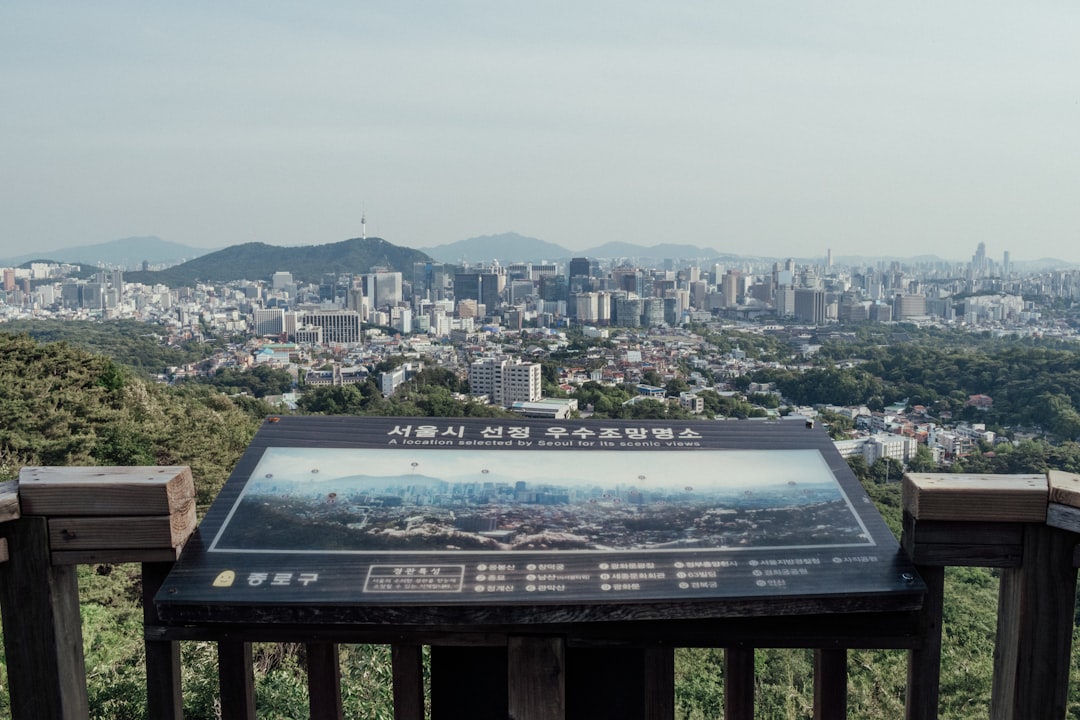
When you think of Art Deco architecture, iconic skylines like New York, Miami, or Shanghai often come to mind. Yet, nestled within the vibrant modernity of the Republic of Korea, a surprising collection of stunning Art Deco buildings awaits discovery. These architectural treasures offer a unique glimpse into a pivotal period of Korean history, blending global design trends with local context.
The Allure of Art Deco in South Korea
Art Deco, a sophisticated and elegant design style that emerged in the 1920s, symbolized luxury, glamour, and technological progress. Characterized by its bold geometric patterns, symmetrical designs, rich ornamentation, and streamlined forms, it quickly gained international popularity. In South Korea, its arrival coincided with a period of rapid urbanization and architectural experimentation, primarily during the Japanese colonial era (1910-1945) and the subsequent early post-liberation period.
These buildings often represented the cutting edge of design at the time, reflecting aspirations for modernity and international sophistication. They incorporated elements of both Western influence and, in some cases, subtle adaptations to local materials and craftsmanship, making Korean Art Deco a distinct and fascinating subset of the global movement.
Key Characteristics of Korean Art Deco Architecture
Korean Art Deco buildings exhibit many of the style's classic hallmarks, but with a unique local flavor.
Distinctive Features:
- Geometric Precision: Expect to see prominent use of straight lines, sharp angles, and repetitive geometric motifs in facades, windows, and interior details.
- Symmetry and Grandeur: Many structures boast impressive symmetrical layouts and a sense of imposing grandeur, often used for public buildings, banks, and department stores.
- Materiality and Texture: Common materials include brick, concrete, and stone, often combined with decorative elements like terracotta tiles, metalwork, and stained glass.
- Streamlined Forms: Buildings often feature recessed entrances, stepped-back profiles, and rounded corners, conveying a sense of speed and dynamism.
Local Interpretations:
While adhering to global trends, Korean Art Deco sometimes shows subtle local adaptations, particularly in the choice of materials or decorative motifs that might hint at traditional Korean aesthetics when viewed closely. This fusion makes them particularly intriguing for architectural enthusiasts.
Must-Visit Art Deco Locations Across Korea
While specific building names might change or be repurposed, the types of structures and areas where Art Deco gems can be found remain consistent. Exploring these locations offers a tangible connection to Korea's architectural past.
Seoul's Architectural Time Capsules
As the capital, Seoul naturally boasts a significant number of surviving Art Deco and early modern buildings.
- Historic Commercial Districts: Areas like Myeongdong, Euljiro, and Jongno, once bustling centers of commerce, still house structures that were grand department stores, banks, or corporate headquarters. Look for buildings with ornate entrances and distinctive window treatments.
- Former Government and Public Buildings: Early 20th-century government offices, post offices, and railway stations often adopted the Art Deco style to project an image of authority and modernity.
- Retro Theaters and Entertainment Venues: Many of Seoul's oldest cinemas and performance halls were designed in the Art Deco style, featuring bold marquees and stylized interior detailing. Some have been renovated, while others stand as preserved relics.
Beyond the Capital: Regional Art Deco Highlights
Art Deco's influence wasn't confined to Seoul. Other major cities and port towns also embraced the style as they modernized.
- Busan's Portside Charm: As Korea's largest port city, Busan was a gateway for foreign influences. Its older districts, especially near the harbor, contain numerous early 20th-century buildings, including banks, customs houses, and commercial structures that exhibit Art Deco elements.
- Incheon's International Flair: The first official port city to open to the outside world, Incheon's historic Jemulpo district and areas around the old Japanese concession feature fascinating examples of colonial-era architecture, including many buildings with clear Art Deco characteristics.
- Provincial Capitals: Cities that served as provincial administrative centers during the colonial period often have a few prominent Art Deco buildings that were once municipal offices, banks, or educational institutions.
The Enduring Legacy of Korean Art Deco
The preservation of these Art Deco structures is crucial. They are not merely old buildings; they are tangible links to a complex period in Korean history, representing architectural ambition, social change, and the country's journey towards modernity. Many are now protected as cultural heritage sites, or have been adaptively reused, giving them new life while retaining their historical significance.
Discovering Art Deco architecture in South Korea is an enriching experience for anyone interested in history, design, and cultural fusion. These buildings stand as silent witnesses to a bygone era, their elegant lines and striking details continuing to captivate and inspire. So, next time you're exploring the bustling streets of Korea, remember to look up and around – you might just discover a hidden Art Deco masterpiece.