Unearthing History: Exploring Papua New Guinea's UNESCO World Heritage Site
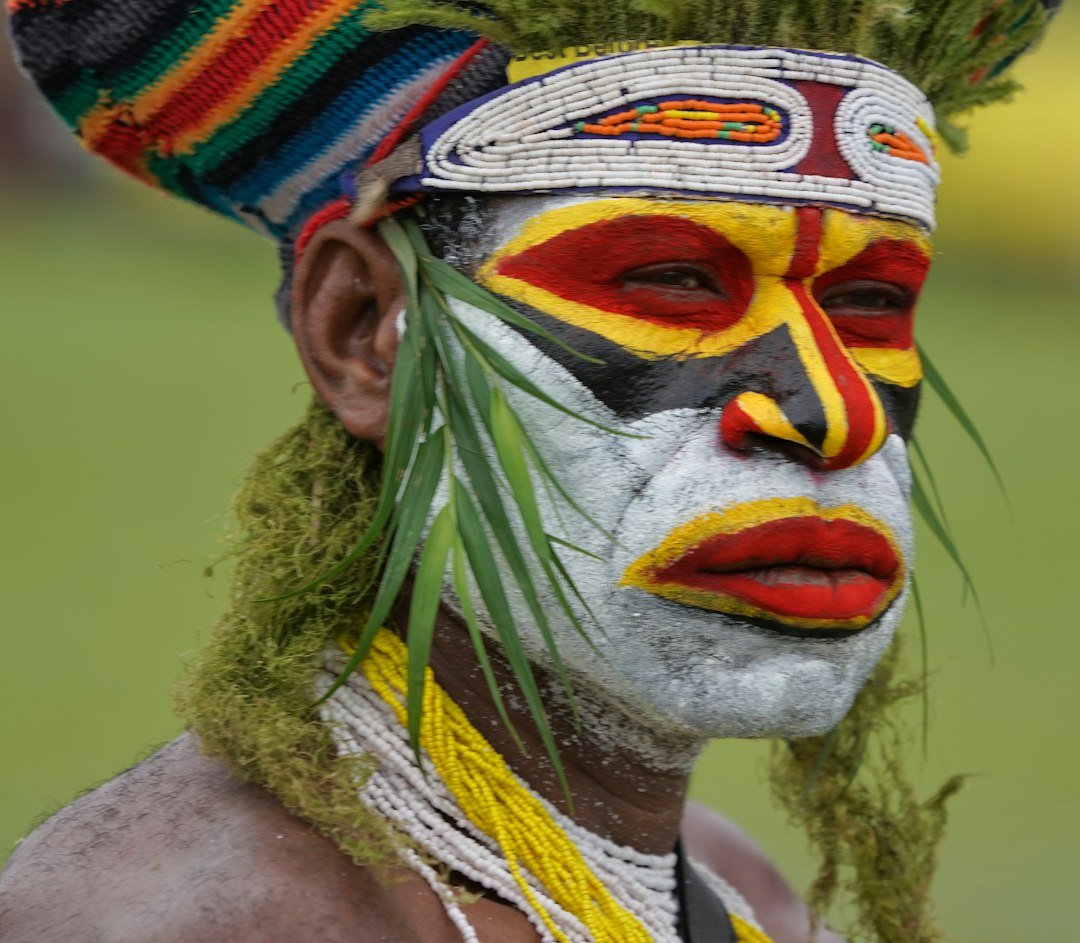
Papua New Guinea (PNG), a land of unparalleled biodiversity, ancient cultures, and dramatic landscapes, holds secrets that tell the story of humanity's earliest innovations. While often associated with pristine rainforests and vibrant tribal traditions, PNG is also home to a site of profound global historical significance recognized by UNESCO. Dive into the heart of this captivating nation to discover its single, yet immensely important, UNESCO World Heritage Site.
The Crown Jewel: Kuk Early Agricultural Site
Nestled in the breathtaking Wahgi Valley of the Western Highlands Province, the Kuk Early Agricultural Site stands as a testament to human ingenuity and our ancestors' mastery of the environment. This remarkable site isn't just a place of historical interest; it's a window into the origins of farming itself.
What Makes Kuk So Special?
The significance of Kuk lies in its extraordinary archaeological record. It provides the earliest known evidence of agriculture in the world, predating many other major agricultural centers.
- Ancient Innovation: Evidence shows that people were cultivating wetlands here as far back as 7,000 to 10,000 years ago. This predates many Middle Eastern and Asian agricultural developments.
- Wetland Cultivation: The site demonstrates sophisticated drainage systems and methods for taming and cultivating the wetland environment, showcasing advanced hydrological management for its time.
- Global Importance: Kuk offers critical insights into the independent development of agriculture and the transition from hunter-gatherer societies to sedentary farming communities, a pivotal moment in human history.
- Cultural Continuity: The site also highlights the continuous connection between the land and the local communities, whose ancestors pioneered these agricultural practices.
Visitors to Kuk are offered a unique opportunity to walk through landscapes where humanity first began to systematically cultivate food, a truly humbling experience that connects us directly to our agricultural roots.
Beyond Kuk: PNG's Tentative Treasures
While Kuk is PNG's only designated UNESCO World Heritage Site, the country boasts a rich natural and cultural heritage, with several sites on the Tentative List. These areas are recognized for their potential to meet UNESCO criteria and represent PNG's future contributions to global heritage. They include:
- Upper Sepik River Basin: Renowned for its extraordinary cultural diversity, unique artistic traditions, and incredible biodiversity.
- Huon Terraces – Stairway to the Past: Featuring uplifted coral terraces that record past sea levels and tectonic activity, important for climate change studies.
- Lake Kutubu and Nembi Plateau: A pristine freshwater lake surrounded by unique ecosystems and vibrant cultural practices.
- Trans-Fly Complex: An extensive floodplain supporting unique savannah and wetland ecosystems, home to diverse wildlife and indigenous communities.
These sites underscore Papua New Guinea's vast untapped potential as a destination for heritage tourism and scientific research, promising future additions to the global list of protected wonders.
Why UNESCO Recognition Matters for PNG
The designation of Kuk as a World Heritage Site, and the consideration of others, brings numerous benefits to Papua New Guinea:
- Global Recognition: Puts PNG on the map as a country with sites of outstanding universal value.
- Preservation and Protection: Encourages the conservation of these irreplaceable sites for future generations.
- Sustainable Tourism: Attracts tourists interested in history, culture, and nature, creating economic opportunities for local communities.
- Research and Education: Promotes scientific research and educational programs focused on PNG's unique heritage.
Papua New Guinea offers an extraordinary journey for those seeking to connect with ancient history, vibrant cultures, and untouched natural beauty. Exploring its UNESCO World Heritage Site and its potential future treasures is an experience that truly redefines our understanding of human civilization and the planet's diverse heritage.