Unearthing History: A Guide to Tunisia's Most Majestic Ancient City Walls
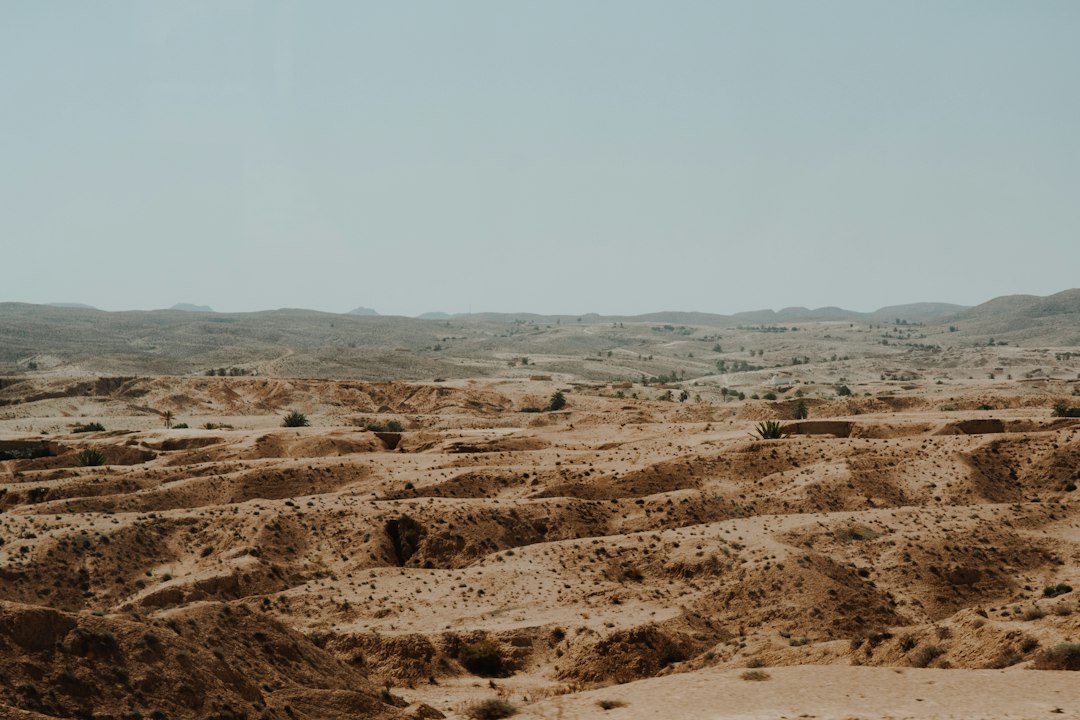
Tunisia, a land steeped in millennia of history, is home to some of the most impressive and well-preserved ancient city walls in the Mediterranean. These monumental fortifications are more than just stone structures; they are guardians of heritage, silent witnesses to empires rising and falling, and crucial landmarks that tell tales of trade, conquest, and resilience. For history enthusiasts and curious travelers alike, exploring these iconic Tunisian city walls offers an unparalleled journey through time.
Why Tunisia's City Walls Are Must-Visit Historical Sites
The ancient fortifications of Tunisia stand as testaments to the strategic importance of this North African nation throughout history. From Roman strongholds to Islamic caliphates, these walls were built to protect thriving cities from invaders, regulate commerce, and showcase the power of their rulers.
- Architectural Marvels: Each wall system displays unique architectural styles, reflecting the diverse civilizations that shaped Tunisia.
- Strategic Importance: Discover how these fortifications were expertly designed to leverage natural defenses and deter powerful armies.
- Cultural Significance: Many walls enclose UNESCO World Heritage Sites, preserving the vibrant heart of ancient medinas and their unique way of life.
- Storytelling Structures: Every gate, tower, and rampart whispers stories of battles fought, treaties signed, and daily life within their protective embrace.
Journey Through Time: Iconic City Walls You Must Explore
Prepare to be captivated by these magnificent structures, each offering a distinct window into Tunisia's rich past.
The Walls of Tunis Medina
At the heart of Tunisia's capital lies the historic Medina of Tunis, a sprawling labyrinth enclosed by remnants of its ancient walls. While many sections have been integrated into modern structures, the spirit of its fortifications lives on, particularly through its iconic gates.
- Bab el Bhar (Porte de France): This famous gate, though largely rebuilt, marks the traditional entrance to the medina, separating the old city from the new. It's a bustling hub that historically connected the port to the city center.
- Kasbah Walls: Around the old government quarter, you can still trace parts of the original Kasbah walls, offering a glimpse into the defensive core of the Hafsid dynasty.
- Historical Context: These walls protected a vibrant center of trade and scholarship, showcasing a blend of Arab, Andalusian, and Ottoman influences.
The Aghlabid Walls of Kairouan
The holy city of Kairouan, a UNESCO World Heritage site and the first Islamic capital in the Maghreb, is renowned for its impressively preserved Aghlabid walls. These towering, brick fortifications encircle the entire medina, creating a dramatic visual spectacle.
- Grandeur and Scale: The sheer size and extent of Kairouan's walls are breathtaking, with their distinctive rectangular towers and crenellated battlements.
- Historical Significance: Built primarily during the Aghlabid dynasty (9th century), they protected a city that was a crucial center for Islamic learning and culture.
- Walking the Ramparts: Visitors can often walk along certain sections of the ramparts, offering panoramic views of the city's ancient mosques and bustling souks.
Sousse Medina Walls and Ribat
Perched on the coast, the Medina of Sousse is another UNESCO-listed treasure, fiercely guarded by its powerful walls and an extraordinary Ribat (fortified monastery). The Sousse city walls reflect its importance as a strategic port city.
- The Ribat of Sousse: This imposing fortress-monastery is a highlight, offering a commanding view of the city and sea from its watchtower. It served as both a defensive outpost and a spiritual retreat.
- Kashbah: Located on the highest point, the Kasbah of Sousse, with its lighthouse, was integrated into the city's formidable defensive system.
- Coastal Defense: The walls effectively protected the city from naval attacks throughout its history, from Byzantine to Arab periods.
Mahdia's Skifa Kahla and City Walls
The picturesque coastal city of Mahdia, founded by the Fatimids, boasts a unique and powerful defensive heritage. Its most iconic feature is the Skifa Kahla, or "Dark Gate," a massive fortified entrance that once served as the sole land access to the city's peninsula.
- Skifa Kahla: This monumental gate is a masterpiece of Fatimid military architecture, featuring a long, dark, and winding passage designed to disorient and trap invaders.
- Peninsula Fortification: The walls of Mahdia were ingeniously built to utilize the natural protection of the narrow peninsula, making it an almost impregnable fortress city.
- Fatimid Legacy: These fortifications are a direct link to Mahdia's past as the first Fatimid capital, showcasing their architectural and defensive prowess.
The Ribat and Walls of Monastir
Similar to Sousse, Monastir is a coastal city famous for its Ribat and the remnants of its ancient city walls. The Ribat of Monastir is one of the oldest and most impressive Islamic fortifications in North Africa.
- Ribat of Monastir: Dating back to the 8th century, this immense fortress offers a fascinating insight into early Islamic military architecture. Its numerous towers and courtyards are incredibly well-preserved.
- Coastal Protection: The walls and Ribat were essential for protecting the city's strategic harbor and coastline.
- Panoramic Views: Climbing to the top of the Ribat provides stunning views of the Mediterranean Sea and the modern city, blending history with contemporary life.
Planning Your Visit to Tunisia's Historic Walls
Exploring these magnificent Tunisian historical sites is an enriching experience. Here are a few tips to enhance your journey:
- Wear Comfortable Shoes: You'll be doing a lot of walking, often on uneven surfaces.
- Guided Tours: Consider hiring a local guide to fully appreciate the intricate history and hidden details of each site.
- Best Time to Visit: Spring and autumn offer pleasant weather for exploring without the intense summer heat.
- Respect Local Culture: Remember that many of these sites are within active medinas, so dress modestly and be mindful of local customs.
Tunisia's ancient city walls are more than just relics of the past; they are vibrant reminders of a rich and complex history. Embark on this fascinating journey to witness the majesty of Tunisia's fortifications and connect with the enduring spirit of its ancient cities.