Uncover the Magic: Your Guide to the Canary Islands' Most Famous Natural Arches
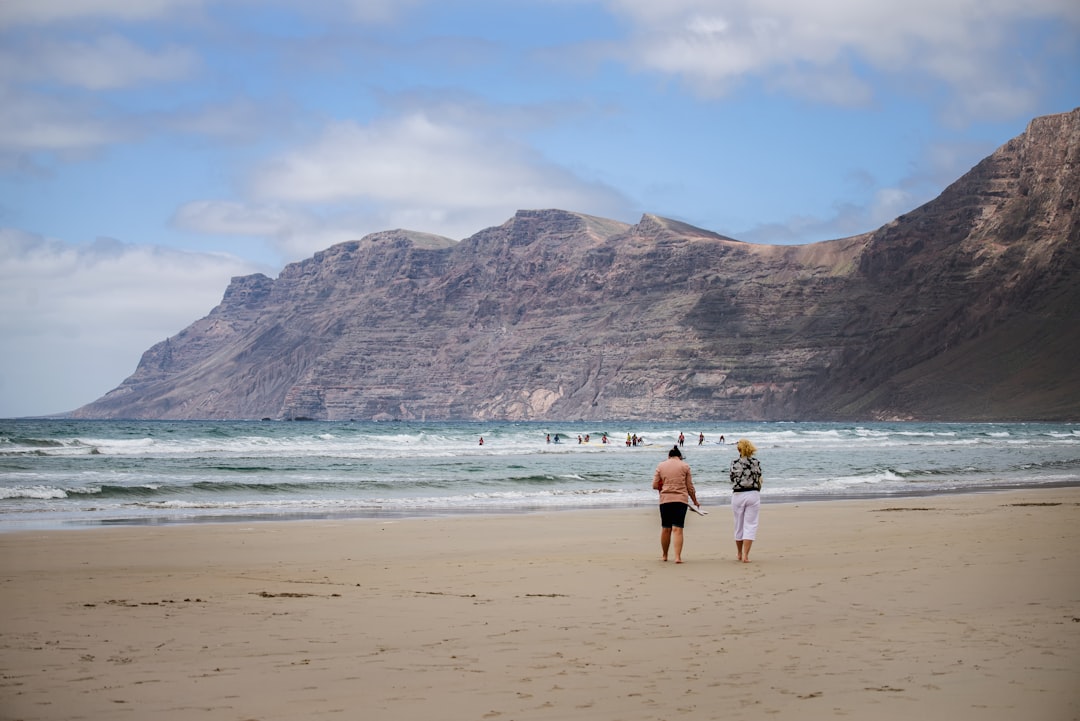
The Canary Islands, an archipelago forged by fire and sculpted by the relentless forces of nature, are renowned for their stunning beaches, dramatic volcanic landscapes, and vibrant culture. But beyond the well-trodden paths lies a collection of truly mesmerizing geological wonders: the natural arches. These magnificent rock formations, carved over millennia by wind, water, and sea, offer a breathtaking glimpse into the islands' powerful geological history.
If you're looking to explore the hidden gems and capture truly unique photographs, adding these spectacular natural arches to your itinerary is an absolute must. Get ready to embark on an adventure that goes far beyond the typical island experience!
What Are Natural Arches and Why Are They Special in the Canaries?
Natural arches are essentially rock formations where a natural opening has been created underneath, forming a bridge-like or window-like structure. In the Canary Islands, their formation is primarily due to a combination of:
- Volcanic Activity: The very bedrock of the islands, formed by ancient eruptions, provides the raw material.
- Erosion: The constant battering by ocean waves, the abrasive power of wind, and the gradual work of rainwater relentlessly carve away softer rock layers, leaving the harder, more resistant sections to form the arch.
The unique volcanic geology of the Canaries creates diverse and often dramatic arches, ranging from towering inland formations to intricate coastal features accessible only at low tide. They are a testament to the raw power and beauty of the natural world.
Gran Canaria: Arches Carved by Time and Terrain
Gran Canaria offers a diverse landscape, from arid southern coasts to lush northern valleys and rugged volcanic peaks. Among its most iconic formations are those that frame breathtaking vistas.
Ventana del Nublo (The Window of Nublo)
Nestled in the heart of Gran Canaria's central mountains, near the famous Roque Nublo, lies the Ventana del Nublo. This natural window-like arch offers one of the most iconic viewpoints on the island. From here, you can gaze through its opening to a panoramic spectacle of the Tejeda caldera, the towering Roque Nublo, and even Mount Teide on Tenerife on clear days. It's a prime spot for hikers and photographers seeking unparalleled landscapes.
Fuerteventura: Wind-Sculpted Coastal Wonders
Known for its wind-swept landscapes and golden beaches, Fuerteventura also boasts some incredible coastal arches, sculpted by the fierce Atlantic winds and waves.
Arco de Las Peñitas
Located in the Barranco de Las Peñitas, near the famous Ajuy Caves on the west coast, the Arco de Las Peñitas is a truly dramatic sight. This impressive rock arch is a product of millennia of water and wind erosion within a striking canyon landscape. Visiting the arch often involves a scenic walk through the barranco, revealing fascinating geological layers and a unique microclimate. It's an excellent addition to a trip exploring the nearby black sand beaches and prehistoric caves of Ajuy.
Arco del Jurado
In the rugged north of Fuerteventura, near the quaint fishing village of Majanicho, you can discover the Arco del Jurado. This coastal arch stands as a solitary sentinel against the crashing waves of the Atlantic. Its remote location adds to its allure, often making it accessible only at low tide for a closer inspection. It's a fantastic spot for those seeking rugged beauty and solitude away from the crowds, perfect for coastal walks and dramatic landscape photography.
Lanzarote: Volcanic Arches and Lava Sculptures
Lanzarote's moon-like volcanic landscape provides a unique backdrop for its geological formations. While not always single, distinct arches, the coastline features incredible arch-like structures carved directly from ancient lava flows.
Los Hervideros
On Lanzarote's southwest coast, between El Golfo and the Salinas de Janubio, you'll find Los Hervideros, meaning "the boiling pots." This spectacular stretch of coastline is a maze of lava caves, blowholes, and arch-like formations where the sea surges and crashes with incredible force. As waves funnel through these channels and erupt upwards, it creates a mesmerizing display of nature's raw power. While not a singular arch, the numerous interconnected arches and tunnels formed by the cooling lava are a must-see.
Tenerife: Majestic Arches in Diverse Landscapes
Tenerife, the largest of the Canary Islands, offers a diverse range of natural beauty, from the volcanic grandeur of Teide National Park to lush forests and stunning coastlines.
Arco de Tajao
Situated on the southeast coast in the municipality of Arico, the Arco de Tajao is a prominent and easily accessible natural arch. Located near the charming fishing village of Tajao, known for its excellent seafood restaurants, this arch provides a picturesque backdrop to the coastal landscape. Its accessibility makes it a popular spot for a quick stop, offering beautiful coastal views and a perfect opportunity for a memorable photo. Combine your visit with a delicious meal featuring fresh local fish.
Why You MUST Add These Arches to Your Canary Islands Itinerary
- Unforgettable Photography Opportunities: These unique geological features provide stunning backdrops for truly unique and impactful photos.
- Adventurous Hiking Trails: Many arches require scenic walks or hikes to reach, allowing you to explore the islands' diverse natural beauty up close.
- Connection with Nature: Witnessing these arches first-hand offers a powerful connection to the ancient forces that shaped these volcanic islands.
- Beyond the Beaches: Discover a different side of the Canary Islands, exploring its hidden natural wonders and geological marvels.
Essential Tips for Your Arch-Hunting Adventure
- Check Local Conditions: Before heading out, especially for coastal arches, be aware of tide times and weather forecasts.
- Wear Appropriate Footwear: Sturdy hiking shoes or comfortable walking boots are highly recommended, as terrain can be uneven and rocky.
- Respect Nature: Always stay on marked paths, avoid disturbing wildlife, and leave no trace of your visit.
- Safety First: Some areas can be rugged or feature steep drops. Exercise caution, especially with children.
- Best Time to Visit: Early mornings or late afternoons often offer the best light for photography and fewer crowds.
These natural arches are more than just rock formations; they are testaments to the islands' volcanic past and the relentless erosive power of nature. They represent the wild, untamed heart of the Canary Islands, waiting to be discovered. So, pack your camera, lace up your boots, and prepare to be amazed by these unique geological treasures – they promise an unforgettable adventure and memories that will last a lifetime!