Ultimate Guide to the Best Bird Watching Spots in the Caribbean
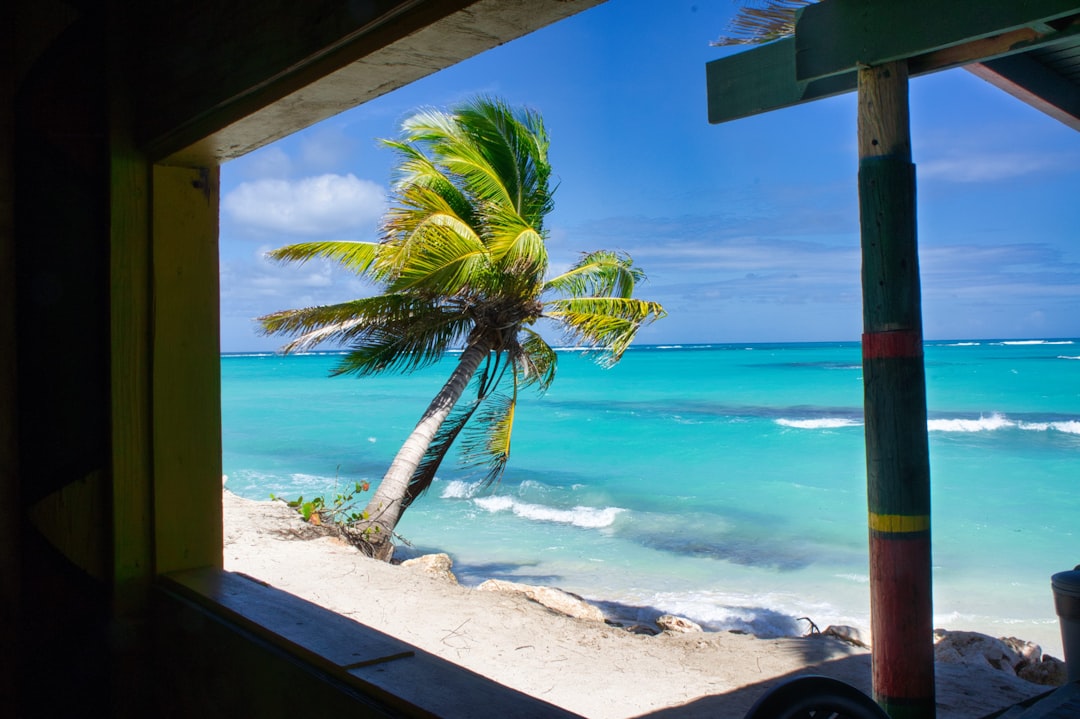
The Caribbean is a vibrant mosaic of islands, boasting not only stunning beaches but also unparalleled biodiversity, making it a dream destination for bird watching enthusiasts. With a unique blend of migratory visitors and a remarkable array of endemic species, the region offers some of the most rewarding birding experiences on the planet. From lush rainforests to dry scrublands, each island presents its own avian treasures, promising an unforgettable journey for any nature lover seeking tropical birds.
Trinidad & Tobago: A Birdwatcher's Paradise
Often considered the birding capital of the Caribbean, Trinidad and Tobago offer an astonishing diversity, including South American species not found elsewhere in the Lesser Antilles. Its close proximity to the South American mainland contributes to its rich avifauna, making it a prime spot for Caribbean birding.
Asa Wright Nature Centre (Trinidad)
- Nestled in the Northern Range, this world-renowned center is a former cocoa-coffee-citrus estate now dedicated to bird conservation.
- Key species: Oilbird, Tufted Coquette, various hummingbirds (Rufous-tailed, White-necked Jacobin), Golden-headed Manakin, Blue-grey Tanager.
- Enjoy feeders right on the verandah, offering close-up views.
Caroni Swamp (Trinidad)
- Famous for its spectacular evening roost of thousands of Scarlet Ibises, painting the sky crimson.
- Other sightings: Greater Flamingo, Anhinga, various herons and egrets.
- A boat tour through the mangroves is essential for this experience.
Cuba: Home to Remarkable Endemics
Cuba, the largest Caribbean island, boasts an impressive number of endemic bird species, making it a top priority for serious birders. Its diverse habitats range from vast wetlands to pine forests, offering unique bird watching opportunities.
Zapata Swamp (Ciénaga de Zapata)
- A UNESCO Biosphere Reserve and the largest wetland in the Caribbean.
- Crucial for: Cuban Trogon (the national bird), Cuban Tody, Zapata Wren, Zapata Rail (critically endangered), Bee Hummingbird (the smallest bird in the world).
- Offers incredible opportunities for wetland and forest birding.
Sierra Maestra Mountains
- Higher elevations and dense forests provide habitats for other unique species.
- Look for: Cuban Solitaire, Giant Kingbird, Gundlach's Hawk.
Jamaica: Jewel of the Greater Antilles
Jamaica is another hotspot for Caribbean endemics, with a high concentration of unique species found nowhere else on Earth. Its lush mountains and diverse ecosystems are a haven for birdlife, cementing its place among the best bird watching spots in the Caribbean.
Blue and John Crow Mountains National Park
- A UNESCO World Heritage site, famous for its coffee and its birds.
- Must-see species: Doctor Bird (Red-billed Streamertail, Jamaica's national bird), Black-billed Streamertail, Jamaican Tody, Jamaican Lizard Cuckoo, Crested Quail-dove.
- Guided hikes offer the best chance to spot these elusive birds.
Cockpit Country
- A rugged, karst limestone region with dense forests.
- Important for: Yellow-billed Parrot, Black-billed Parrot, Rufous-tailed Flycatcher.
Essential Tips for Caribbean Bird Watching
To maximize your birding adventure in the Caribbean, consider these practical tips for a successful and respectful experience:
- Best Time to Visit: The dry season (roughly December to May) generally offers clearer weather and can be excellent for resident birds. For migratory birds, consider visiting during spring (March-May) or fall (September-November) migrations.
-
Gear Up:
- Binoculars (8x42 or 10x42 are ideal) are essential for detailed observation.
- A field guide specific to the Caribbean or the islands you're visiting.
- A camera with a zoom lens for capturing those stunning shots, especially for bird photography Caribbean.
- Lightweight, neutral-colored clothing to blend in.
- Insect repellent and sun protection are crucial in tropical environments.
- Hire a Local Guide: Local guides possess invaluable knowledge of bird calls, habitats, and the best viewing spots, significantly increasing your chances of rare sightings.
- Patience and Respect: Birds are often shy. Move slowly, quietly, and maintain a respectful distance to avoid disturbing them in their natural habitat.
The Caribbean offers an extraordinary tapestry of avian life, beckoning both seasoned birdwatchers and nature lovers. Each island presents its own unique charm and an exciting checklist of species, from the iconic Scarlet Ibis to the tiny Bee Hummingbird. Embark on your next Caribbean birding adventure and discover the vibrant winged wonders that await!