The Ultimate Netherlands Road Trip: A Guide to Driving Abroad
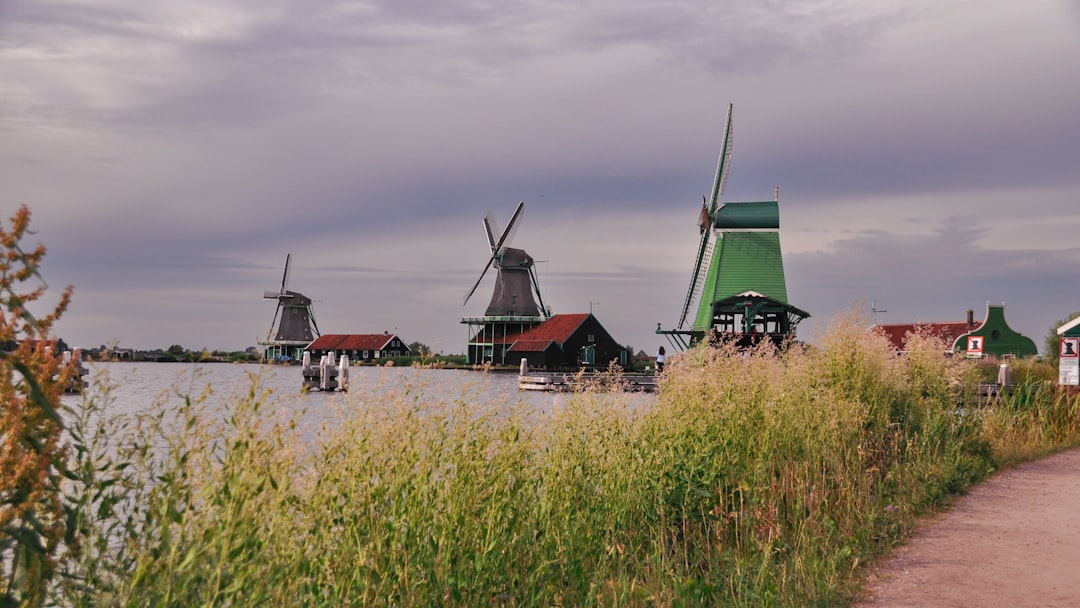
Embarking on a Netherlands road trip offers an unparalleled opportunity to discover the charm, history, and vibrant landscapes of this captivating European nation at your own pace. While the Netherlands is known for its excellent public transport and cycling culture, driving abroad here provides the flexibility to explore hidden gems, picturesque villages, and stunning coastlines often missed by conventional tours. This guide will equip you with everything you need to know for a smooth and unforgettable journey, from understanding Dutch road rules to navigating the country's unique infrastructure.
Why a Netherlands Road Trip?
The Netherlands is a surprisingly diverse and incredibly driver-friendly country, making it an ideal destination for a road trip.
- Compact Size: Its relatively small size means you can traverse different regions – from bustling cities to serene national parks – in just a few hours.
- Excellent Infrastructure: The Dutch road network is well-maintained, clearly signposted, and efficient, ensuring a pleasant driving experience.
- Scenic Routes: Discover iconic windmills, vibrant tulip fields (seasonal), charming canals, and North Sea beaches that are best accessed by car.
- Flexibility: Stop whenever inspiration strikes, whether it's for a photo opportunity, a local cheese tasting, or a spontaneous bike ride.
Essential Preparations Before You Go
A successful Netherlands driving holiday starts with thorough preparation.
Required Documents & Permits
Ensure you have all the necessary paperwork to drive legally in the Netherlands.
- Valid Driver's License: Your national driving license is generally accepted if you're from an EU/EEA country. For non-EU/EEA residents, an International Driving Permit (IDP), accompanying your valid national license, is highly recommended and often required.
- Vehicle Registration: If driving your own car, carry your vehicle registration document.
- Insurance: Proof of third-party motor insurance is mandatory. Check if your existing policy covers driving in Europe, or arrange for temporary coverage.
- Passport/ID: Always carry a valid form of identification.
Vehicle Preparation
Whether renting or bringing your own car, certain items are crucial for safe driving in the Netherlands.
- Rental Car: Book in advance, especially during peak season. Verify the insurance coverage and check for any additional fees.
-
Safety Equipment: While not all items are legally mandatory for foreign-registered vehicles, it's wise to carry:
- A warning triangle.
- A first-aid kit.
- A reflective safety vest (for all occupants, especially if you break down).
- Tires: Ensure your tires are in good condition. While winter tires aren't legally mandatory, they are highly recommended during colder months (October to April) if driving in snowy or icy conditions.
Navigation
A reliable navigation system is your best friend on a Netherlands road trip.
- GPS Device/Smartphone Apps: Google Maps, Waze, or Here WeGo offer excellent turn-by-turn directions.
- Offline Maps: Download maps for offline use to save data and ensure navigation even without signal.
Understanding Dutch Driving Rules
Driving in a foreign country can be daunting, but the Dutch driving rules are straightforward once you know the basics.
On the Road
Familiarize yourself with these key regulations for driving in the Netherlands.
- Driving Side: The Dutch drive on the right-hand side of the road. Overtake on the left.
-
Speed Limits: Strictly enforced.
- Motorways (A-roads): Generally 130 km/h (often reduced to 100 km/h during the day between 6 AM and 7 PM).
- Major roads outside urban areas: 80 km/h or 100 km/h.
- Urban areas: 50 km/h.
- Residential areas (woonerfs): 30 km/h or even 15 km/h.
- Roundabouts: Give way to traffic already on the roundabout, unless signs indicate otherwise.
- Cycling Paths: Be extremely vigilant for cyclists. They have priority in many situations and dedicated lanes are everywhere. Always check your mirrors and blind spots, especially when turning right.
- Priority Rules: Generally, traffic from the right has priority at unmarked intersections, unless otherwise indicated by signs or road markings. Trams often have priority.
- Traffic Signs: Pay close attention to the clear and consistent European traffic signs.
- Headlights: Dipped headlights are mandatory in tunnels and during poor visibility.
Parking
Parking in the Netherlands requires a bit of strategy, especially in cities.
- Paid Parking: Most city parking is paid. Look for "P" signs indicating parking garages or street parking zones. Payment is usually via machines (cashless often preferred) or parking apps.
- P+R (Park & Ride): A smart option for city visits. Park your car on the outskirts and use public transport to reach the city center. This is often the most cost-effective and convenient solution.
- Blue Zones: Indicated by a blue line on the road and a sign, these zones require a parking disc (parkeerschijf) showing your arrival time. Limited free parking is usually allowed.
- Environmental Zones (Milieuzones): Some cities, like Amsterdam and Rotterdam, have low emission zones. Older vehicles may be restricted or require a permit. Check your vehicle's emissions class if driving an older model.
Fueling Up
- Fuel Types: Petrol is called "Benzine" or "Euro 95/98," and Diesel is "Diesel." Electric charging stations are also widely available.
- Payment: Credit cards are widely accepted, but some smaller stations might prefer Maestro/PIN or cash.
Suggested Netherlands Road Trip Itineraries
Here are a few ideas to inspire your Netherlands road trip planning:
-
The Classic Highlights (3-5 days):
- Amsterdam: Explore canals, museums, and vibrant neighborhoods (use P+R).
- Zaanse Schans: Iconic windmills and traditional houses.
- Keukenhof (seasonal): World-famous tulip gardens.
- Utrecht: Charming university city with a unique canal system.
- Rotterdam: Modern architecture and bustling port.
-
Coastal Charm & Countryside (2-4 days):
- The Hague: Political capital with grand architecture.
- Scheveningen: Popular seaside resort.
- Kinderdijk: UNESCO-listed windmill complex.
- Delta Works: Impressive flood protection engineering.
-
Southern Discoveries (2-3 days):
- Maastricht: Historic city with a distinct European feel.
- Valkenburg: Castle ruins, marl caves, and rolling hills.
- Eindhoven: Design capital with a focus on innovation.
Tips for a Smooth Netherlands Driving Experience
- Patience is Key: Embrace the relaxed pace of Dutch life, especially when navigating cities or sharing the road with cyclists.
- Be Aware of Cyclists: We cannot stress this enough – cyclists are everywhere and have significant rights. Always yield and exercise extreme caution.
- Utilize Public Transport in Major Cities: For cities like Amsterdam and Utrecht, parking can be expensive and challenging. Use P+R facilities or explore on foot/by bike.
- Learn Basic Dutch Phrases: A few simple phrases like "Dank u wel" (Thank you) or "Alstublieft" (Please) can go a long way.
- Plan Breaks: Even a compact country like the Netherlands deserves a leisurely pace. Build in time for coffee breaks and scenic stops.
A Netherlands road trip offers an incredible way to immerse yourself in the country's unique culture and stunning landscapes. With careful planning and an understanding of local driving practices, you're set for an unforgettable adventure behind the wheel. Get ready to explore the land of windmills, canals, and endless charm!