The Ultimate Ireland Road Trip: A Guide to Driving Abroad
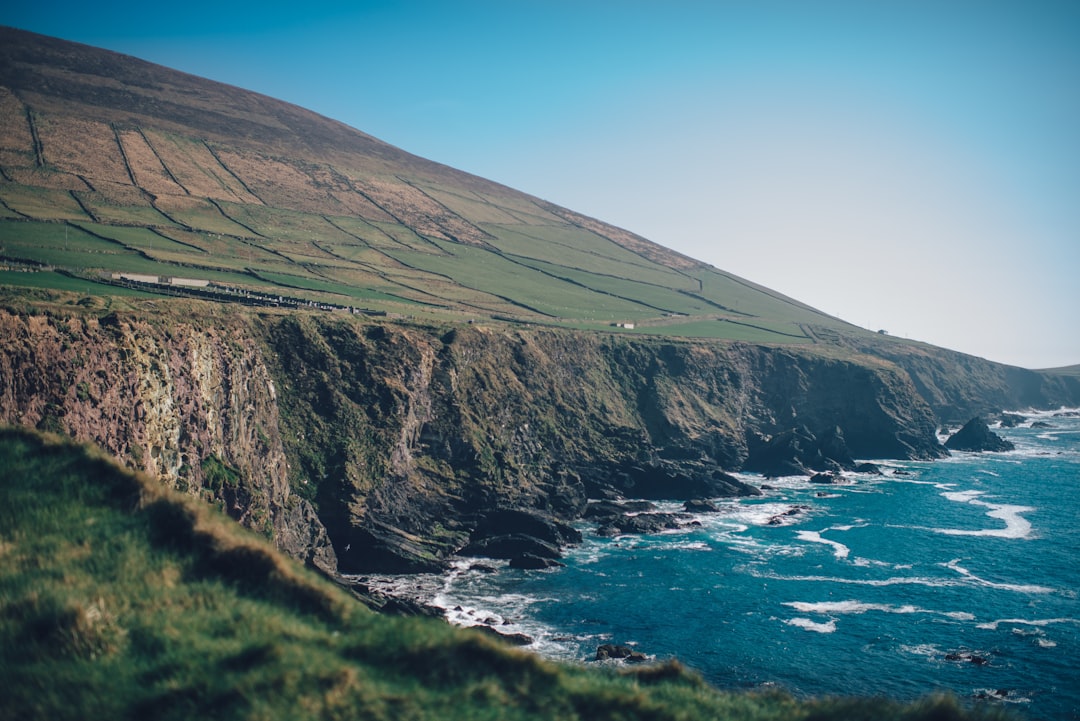
Embarking on an Ireland road trip is an unparalleled adventure, a journey that promises breathtaking landscapes, ancient history, vibrant culture, and the freedom to explore at your own pace. Picture winding coastal roads, dramatic cliffs, rolling green hills, and charming villages. But for many, the thought of driving abroad, especially in a country known for its unique road etiquette and driving on the left, can seem daunting. Fear not! This comprehensive guide will equip you with everything you need to plan and execute the ultimate Irish driving adventure.
Why Ireland is Perfect for a Road Trip
Ireland's compact size and incredible diversity make it an ideal destination for a road trip. Each turn reveals a new vista, from the rugged beauty of the Wild Atlantic Way to the mythical landscapes of the Causeway Coast. The country is dotted with historic castles, ancient ruins, bustling cities, and quaint towns, all easily accessible by car. The warmth of Irish hospitality, the lively traditional music, and the chance to discover hidden gems are all part of the allure.
Planning Your Ireland Road Trip
Careful planning is key to a stress-free and memorable journey.
Best Time to Visit
- Shoulder Seasons (April-May, September-October): Often considered the best time to visit, offering milder weather, fewer crowds, and lower prices for flights and accommodation. The landscape is vibrant, and daylight hours are plentiful.
- Summer (June-August): Popular for good reason, with the warmest weather and longest daylight hours. However, tourist spots can be crowded, and prices higher. Book well in advance.
- Winter (November-March): Offers a unique, wild beauty, but be prepared for colder temperatures, shorter days, and potential for harsh weather, especially in coastal areas. Some attractions may have reduced hours or be closed.
Choosing Your Route
Ireland boasts several iconic driving routes, each offering a distinct experience:
- Wild Atlantic Way: A spectacular 2,500 km (1,550 miles) coastal route stretching from Donegal to Cork. Known for its dramatic scenery, surfing beaches, and charming villages. Highlights include the Cliffs of Moher, Connemara, and the Ring of Kerry.
- Causeway Coast: Located in Northern Ireland, this shorter but equally stunning route features the geological wonder of the Giant's Causeway, Carrick-a-Rede Rope Bridge, and Dark Hedges.
- Ring of Kerry: A world-famous scenic drive in County Kerry, showcasing mountains, lakes, and the Atlantic coastline. Plan for at least a full day.
- Dublin to Galway: A popular route connecting Ireland's two largest cities, offering a blend of urban exploration and rural beauty, with stops like the Burren and Clonmacnoise.
Vehicle Rental Tips
Renting a car in Ireland requires some foresight:
- Book in Advance: Especially during peak season, to secure your preferred vehicle type and better rates.
- Automatic vs. Manual: Most rental cars are manual (stick shift). If you're not comfortable with a manual, specifically request an automatic car, which may cost more and have limited availability.
- Insurance: Understand your rental car insurance options. Collision Damage Waiver (CDW) is usually mandatory, but check the excess (deductible). Consider purchasing Super CDW to reduce the excess to zero, or confirm coverage with your credit card company.
- Age Restrictions: Most companies require drivers to be at least 21 (sometimes 23 or 25) and may charge a young driver surcharge for those under 25. Maximum age limits can also apply.
- GPS/Navigation: Renting a GPS with your car is convenient, but downloading offline maps like Google Maps or using apps like Maps.me on your phone can be a more cost-effective alternative.
Accommodation Booking
While flexibility is part of a road trip, booking accommodation in advance, especially during peak season or in popular areas, is advisable. Ireland offers a range of options:
- Bed & Breakfasts (B&Bs): A quintessential Irish experience, offering personal hospitality and often a hearty breakfast.
- Hotels: From boutique to luxury, available in cities and larger towns.
- Guesthouses and Farm Stays: Provide a unique local flavor.
- Self-Catering Cottages: Ideal for longer stays or groups.
Driving Abroad: What You Need to Know for Ireland
Navigating Irish roads can be different from what you're used to, particularly if you're coming from a country that drives on the right.
Driving on the Left
This is the most significant change for many visitors. Always remember to drive on the left-hand side of the road. This means:
- The driver's seat is on the right side of the car.
- Roundabouts are taken clockwise.
- Overtake on the right.
Take your time, especially at junctions and roundabouts, to adjust. Many rental cars will have stickers reminding you to "Keep Left."
Road Signs and Rules
- Speed Limits: Posted in kilometers per hour (km/h). Common limits are 50 km/h in urban areas, 80 km/h on regional roads, 100 km/h on national roads, and 120 km/h on motorways.
- Roundabouts: Ireland has many roundabouts. Yield to traffic approaching from your right. Get in the correct lane well in advance.
- Yield Signs: Give way to traffic already on the main road.
- Drinking and Driving: Ireland has very strict drink-driving laws with low blood alcohol limits. It's best to avoid alcohol entirely if you are driving.
- Mobile Phone Use: It is illegal to use a handheld mobile phone while driving.
- Seatbelts: Mandatory for all occupants of the vehicle.
Toll Roads
Some of Ireland's motorways are toll roads, particularly around Dublin (e.g., the M50 motorway).
- M50 Barrier-Free Toll: The M50 toll is electronic and has no toll booths. You must pay online, at a Payzone retail outlet, or by phone by 8 PM the day after your journey. Failure to pay results in significant penalties.
- Other Motorway Tolls: These typically have manned booths or automated coin/card machines where you pay at the time of passage.
Narrow Roads & Country Lanes
Be prepared for narrow country roads, especially in scenic areas. You may encounter:
- Passing Places: On very narrow roads, designated passing places allow one car to pull over to let another pass.
- Livestock: Sheep, cattle, and even donkeys can sometimes be on the road, especially in rural areas. Drive cautiously.
- Hedges and Stone Walls: Roads are often flanked by high hedges or stone walls, limiting visibility around bends.
Parking
Parking in cities like Dublin, Cork, or Galway can be challenging and expensive. Look for multi-story car parks or use "Pay & Display" street parking. In smaller towns, parking is generally easier to find and often free.
Fuel/Petrol Stations
Fuel stations are widely available, though less frequent in very remote areas. Petrol (unleaded) and Diesel are standard. Prices are displayed per liter. Most stations accept credit cards.
Essential Packing for Your Ireland Adventure
- Layers of Clothing: Ireland's weather is famously changeable. Pack layers, including sweaters, fleeces, and t-shirts.
- Waterproofs: A waterproof jacket and trousers are essential, regardless of the season.
- Comfortable Walking Shoes: For exploring towns, trails, and historic sites.
- Navigation Tools: In addition to your car's GPS or phone, a physical map can be a useful backup, especially in areas with poor signal.
- Camera and Power Bank: To capture the stunning scenery, and ensure your devices stay charged.
- Universal Travel Adapter: For charging electronics.
- Snacks and Water: Especially for longer drives through remote areas where services might be sparse.
Top Stops & Experiences
While an ultimate Ireland road trip is about discovering your own favorites, here are a few must-see highlights:
- Cliffs of Moher: The iconic, dramatic cliffs rising from the Atlantic.
- Giant's Causeway: A UNESCO World Heritage site with unique basalt columns.
- Ring of Kerry: Experience the classic Irish coastal drive.
- Dublin: Immerse yourself in the capital's history, pubs, and culture.
- Galway: Enjoy the bohemian atmosphere, traditional music, and vibrant arts scene.
- Traditional Irish Pubs: A visit to a local pub for a pint and some live music is a quintessential Irish experience.
Safety Tips for Your Irish Drive
- Don't Rush: Take your time, enjoy the scenery, and factor in extra time for narrow roads and stops.
- Watch for Hazards: Be aware of pedestrians, cyclists, livestock, and changing weather conditions.
- Emergency Numbers: In case of emergency, dial 112 or 999 for police (Gardaí), ambulance, or fire services.
- Regular Breaks: Stop frequently to stretch your legs, refresh, and appreciate the views.
An Ireland road trip is an unforgettable way to experience the Emerald Isle. By understanding the unique aspects of driving abroad in Ireland and planning accordingly, you're set for an adventure that will create memories to last a lifetime. Get ready to hit the road and discover the magic of Ireland!