The Ultimate Guide to Iraq’s Most Famous Landmarks
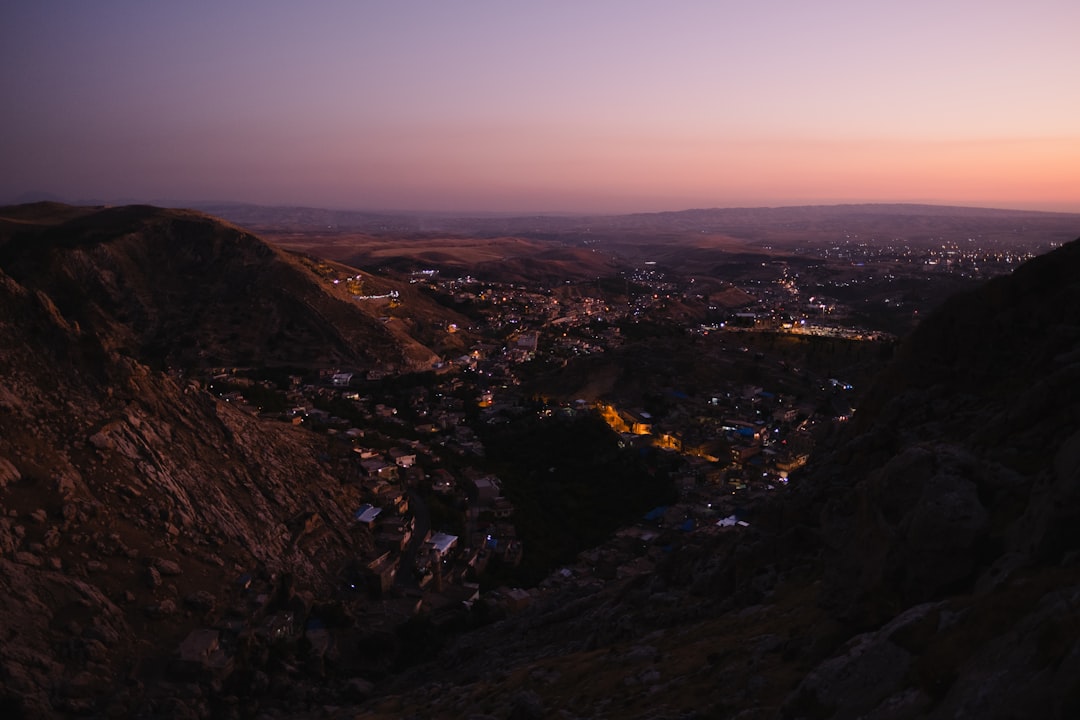
Discovering Iraq's Ancient Wonders and Cultural Heritage
Iraq, often referred to as the Cradle of Civilization, boasts an unparalleled wealth of ancient landmarks and historical sites. From the birthplace of writing to the capitals of mighty empires, this land offers a profound journey through human history. Exploring Iraq's famous landmarks reveals not just impressive architecture, but also the stories of civilizations that shaped the world. This guide delves into the most iconic Iraqi historical sites that stand as testaments to a rich and vibrant past, making them crucial stops for anyone interested in Mesopotamian history and cultural heritage.
Iconic Landmarks You Must Know
The Ancient City of Babylon: Where Civilization Began
The legendary city of Babylon, located in the present-day Babil Governorate, stands as one of the most significant archaeological sites in Iraq. Once the capital of the Neo-Babylonian Empire under rulers like Nebuchadnezzar II, Babylon's influence resonated across the ancient world.
- Historical Significance: A pivotal center for science, law, and culture, Babylon is famously associated with the Code of Hammurabi and has deep biblical ties.
- Key Features: While much is in ruins, visitors can explore the foundations of Nebuchadnezzar's Palace, the Processional Way, and the impressive (though reconstructed) Ishtar Gate. The mythical Hanging Gardens of Babylon, one of the Seven Wonders of the Ancient World, are also believed to have been located here.
The Ziggurat of Ur: A Tower to the Heavens
In the Dhi Qar Governorate lies the awe-inspiring Ziggurat of Ur, one of the best-preserved ziggurats in Mesopotamia. This massive stepped temple was built in the 21st century BC by King Ur-Nammu for the moon god Nanna.
- Ancient Engineering: The Ziggurat of Ur is a testament to the advanced architectural and engineering skills of the Sumerians.
- Cultural Importance: It represents the religious and administrative heart of the ancient city-state of Ur, which is also traditionally believed to be the birthplace of Abraham. Its scale and age make it a truly remarkable Iraq landmark.
The Malwiya Minaret of Samarra: A Spiral to the Sky
A striking and unique piece of Islamic architecture, the Malwiya Minaret is the most prominent feature of the Great Mosque of Samarra. Built in the 9th century AD, it served as the mosque's minaret during the Abbasid Caliphate.
- Distinctive Design: Its conical spiral shape is unlike any other minaret in the world, allowing worshippers to ascend its exterior ramp to the top for the call to prayer.
- Scale and Visibility: Standing approximately 52 meters high, the Malwiya Minaret dominates the landscape of Samarra and offers panoramic views of the surrounding area, making it a unique historic site in Iraq.
Hatra: The Sun City of Mesopotamia
A fortified city in the Ninawa Governorate, Hatra was a significant trading and religious center during the Parthian Empire, famed for its impressive defensive walls and temples. It is a UNESCO World Heritage Site.
- Architectural Blend: Hatra showcases a unique fusion of Hellenistic, Roman, and Eastern architectural styles.
- Strategic Importance: Its formidable walls and strategic location made it a crucial stronghold, resisting Roman sieges and standing as a testament to its inhabitants' resilience. The well-preserved temples dedicated to various deities highlight its rich religious heritage.
Arch of Ctesiphon (Taq Kasra): A Monumental Feat
Near modern-day Baghdad, the Arch of Ctesiphon, or Taq Kasra, is the last visible remnant of the ancient city of Ctesiphon, the capital of the Sasanian Empire for over 400 years.
- Architectural Marvel: This is the largest single-span unreinforced brick arch in the world, an astonishing feat of ancient engineering dating back to the 3rd to 6th centuries AD.
- Imperial Grandeur: The monumental arch was part of the palace complex of the Sasanian Persian emperors, reflecting their power and architectural ambition.
Other Notable Historical Sites in Iraq
Beyond these giants, Iraq hosts a myriad of other significant historical sites:
- Nineveh: The ancient capital of the Assyrian Empire, near modern-day Mosul, with impressive city walls and archaeological remains.
- Erbil Citadel: Located in Iraqi Kurdistan, this ancient citadel is one of the longest continuously inhabited sites in the world, dating back thousands of years.
- The Marshlands of Southern Iraq: A unique wetland ecosystem, these ancient marshlands are intertwined with the history of Sumerian civilization and are a living cultural landscape.
- Al-Ukhaidir Fortress: An imposing and isolated Abbasid-era fortress in the desert, known for its intricate defenses and architectural complexity.
Why These Landmarks Matter
These Iraqi landmarks are far more than just old ruins; they are windows into our collective human past.
- Global Heritage: They represent the enduring legacy of ancient Mesopotamia, a region that gifted the world foundational innovations in writing, mathematics, law, and urban planning.
- Cultural Preservation: Protecting these sites is crucial for understanding the trajectory of human civilization and for preserving the cultural identity of Iraq.
- Educational Value: They offer invaluable insights into the daily lives, beliefs, and achievements of ancient peoples, inspiring future generations.
Embark on a Journey Through Time
Iraq's famous landmarks are a vivid tapestry woven from the threads of countless millennia. From the grandeur of Babylon to the unique spiral of the Malwiya Minaret, each site tells a compelling story of human ingenuity, power, and faith. Exploring these historical sites in Iraq is an unforgettable journey, offering a profound appreciation for the cultural heritage and immense contributions of this incredible land to the world.