The Ultimate Germany Road Trip: Your Essential Guide to Driving Abroad
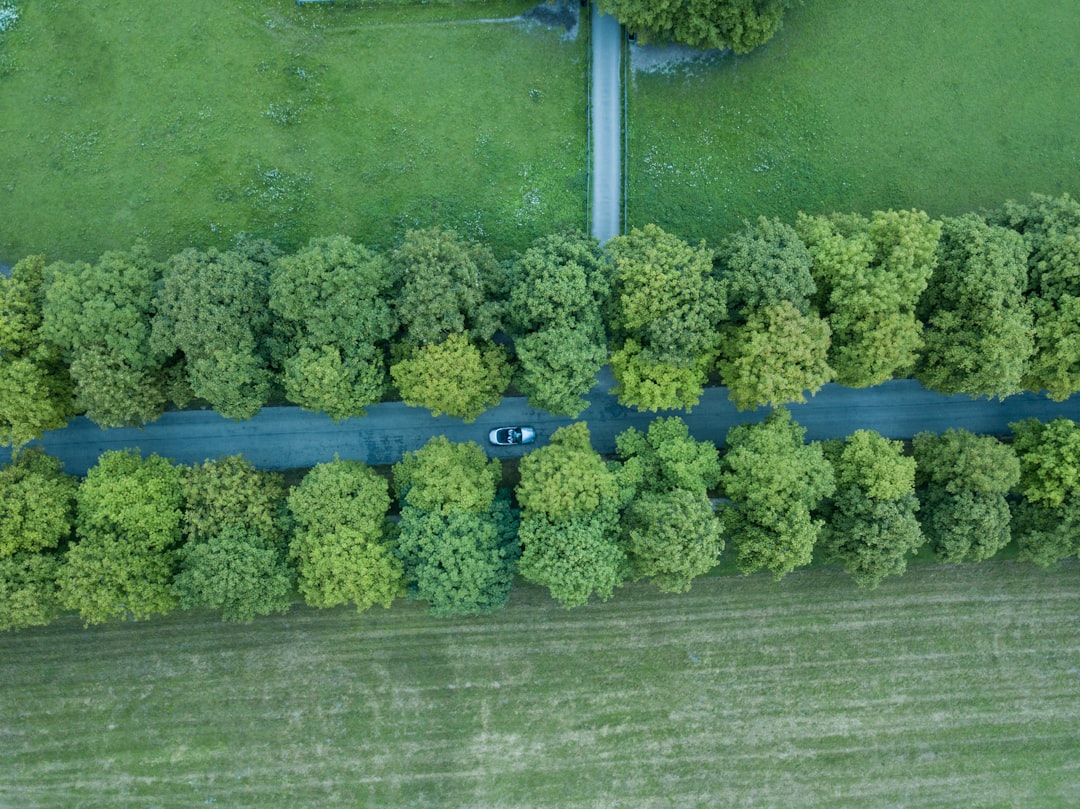
Embarking on a Germany road trip is an unparalleled way to explore one of Europe's most captivating countries. From the legendary Autobahn to scenic routes winding through fairytale castles and medieval towns, driving in Germany offers freedom, flexibility, and unforgettable experiences. This comprehensive guide will equip you with everything you need for a smooth and exhilarating adventure on German roads.
Why a Germany Road Trip is an Unforgettable Adventure
Germany offers a diverse tapestry of landscapes, history, and culture, all easily accessible by car. Imagine cruising along the German Alpine Road with stunning mountain vistas, exploring ancient forests in the Black Forest, or discovering the opulent castles of Bavaria. A road trip allows you to set your own pace, delve into hidden gems, and truly immerse yourself in the local charm.
Planning Your Perfect German Road Trip Itinerary
Careful planning ensures you make the most of your journey. Consider these aspects to craft your ideal route.
Choosing Your Route: Iconic Drives & Hidden Gems
Germany boasts several renowned scenic routes, each with its own unique appeal:
- The Romantic Road (Romantische Straße): A classic, stretching from Würzburg to Füssen, showcasing picturesque towns like Rothenburg ob der Tauber and Neuschwanstein Castle.
- The Castle Road (Burgenstraße): From Mannheim to Prague (Czech Republic), this route is dotted with over 70 castles, palaces, and fortresses.
- The German Alpine Road (Deutsche Alpenstraße): A breathtaking journey through Bavaria's stunning Alps, perfect for mountain lovers.
- The Black Forest High Road (Schwarzwaldhochstraße): Winding through dense forests and charming villages, famous for cuckoo clocks and Black Forest cake.
- City Explorations: Don't miss vibrant cities like Berlin, Munich, Hamburg, and Cologne for a dose of urban culture and history.
Best Time to Visit Germany
The ideal time for your road trip depends on your preferences:
- Spring (April-May): Mild weather, blooming landscapes, fewer crowds.
- Summer (June-August): Warmest months, perfect for outdoor activities and festivals, but also peak tourist season.
- Autumn (September-October): Beautiful fall foliage, comfortable temperatures, and Oktoberfest in Munich.
- Winter (November-March): Ideal for Christmas markets and winter sports, but some scenic routes might have challenging conditions.
Essential Preparations for Driving in Germany
Before you hit the road, ensure all your documentation and vehicle requirements are in order.
Vehicle Requirements & Documentation
Driving legally in Germany requires specific documents and vehicle preparedness:
- Valid Driver's License: Your home country's driver's license is typically accepted.
- International Driving Permit (IDP): While not legally mandatory for all nationalities, an IDP is highly recommended and often required by rental companies and police. It translates your license into multiple languages.
- Passport: Always carry your passport or a form of official identification.
- Vehicle Registration & Insurance: If driving your own car, carry your vehicle registration document and proof of insurance (a Green Card is recommended for international insurance coverage). Rental cars will provide these.
- Rental Car Specifics: Check age restrictions (often 21 or 25, sometimes with an underage surcharge) and ensure your credit card has sufficient limits.
Road Rules and Regulations You Must Know
German road rules are strict and enforced. Familiarize yourself with these key regulations:
- Drive on the Right: Always drive on the right-hand side of the road.
- Autobahn Speed Limits: While sections of the Autobahn have no official speed limit, there is a recommended speed of 130 km/h (81 mph). Many sections do have posted limits. Always adhere to signs.
- Lane Discipline: The left lane is strictly for passing. Always return to the right lane after overtaking.
- Right of Way: Traffic from the right has priority at unmarked intersections (unless otherwise indicated).
- Alcohol Limit: The legal blood alcohol limit is 0.05%. For new drivers (under 21 or less than two years' experience), it's 0.00%.
- Environmental Badges (Umweltplakette): Many German cities have environmental zones that require a specific sticker on your windshield to enter. Rental cars usually have these.
- Winter Tires: Between October and Easter (or when conditions dictate), winter tires are legally required for all vehicles. Rental cars will generally be equipped appropriately.
- Emergency Equipment: By law, all vehicles must carry a warning triangle, a first-aid kit, and a reflective safety vest for each occupant. Rental cars typically include these.
- Seatbelts: Mandatory for all occupants.
- Mobile Phones: Use of handheld mobile phones while driving is strictly prohibited.
Navigation & Communication
- GPS: Reliable GPS is essential. Google Maps, Apple Maps, or dedicated car GPS units work well. Download offline maps in advance.
- German Phrases: Learn basic German phrases for asking directions, at gas stations, or in emergencies.
On the Road: Driving Tips for Germany
Knowing what to expect while driving will enhance your experience.
- Mastering the Autobahn: Be aware of fast-approaching vehicles in your rearview mirror. Use your indicators well in advance when changing lanes. Merge smoothly.
- Fueling Up: Gas stations (Tankstelle) are plentiful. Fuel types include Super (petrol/gasoline, 95 octane), Super Plus (98 octane), and Diesel. Payment is usually by card or cash.
- Parking: Look for designated parking garages (Parkhaus) or metered street parking (Parkschein). Always check signs for restrictions. Blue zones require a parking disc (Parkscheibe).
- Toll Roads: Germany generally does not have tolls for passenger cars on federal highways or the Autobahn. However, tolls might apply to specific tunnels or scenic routes, and for vehicles over 7.5 tons.
- Emergency Procedures: In case of a breakdown, pull over safely, place your warning triangle, and put on your reflective vest. Use emergency call boxes (Notrufsäule) or your mobile to call for help (112 for emergencies, 110 for police).
Where to Stay & What to Eat
Beyond the driving, immerse yourself in German hospitality and cuisine.
- Accommodation: Germany offers a wide range, from charming family-run guesthouses (Gasthäuser) and boutique hotels to modern chains, vacation rentals (Airbnb), and excellent campgrounds.
- German Cuisine: Indulge in hearty German dishes like Schnitzel, various types of Bratwurst, Spätzle, and delicious pretzels (Brezeln). Don't forget to sample regional specialties and, of course, the world-renowned German beer.
A Germany road trip promises an incredible journey filled with stunning landscapes, rich history, and vibrant culture. With proper preparation and an understanding of local driving etiquette, you're set for an unforgettable adventure across the heart of Europe.