The Timeline of Apple Products: Revolutionizing Technology Through the Years
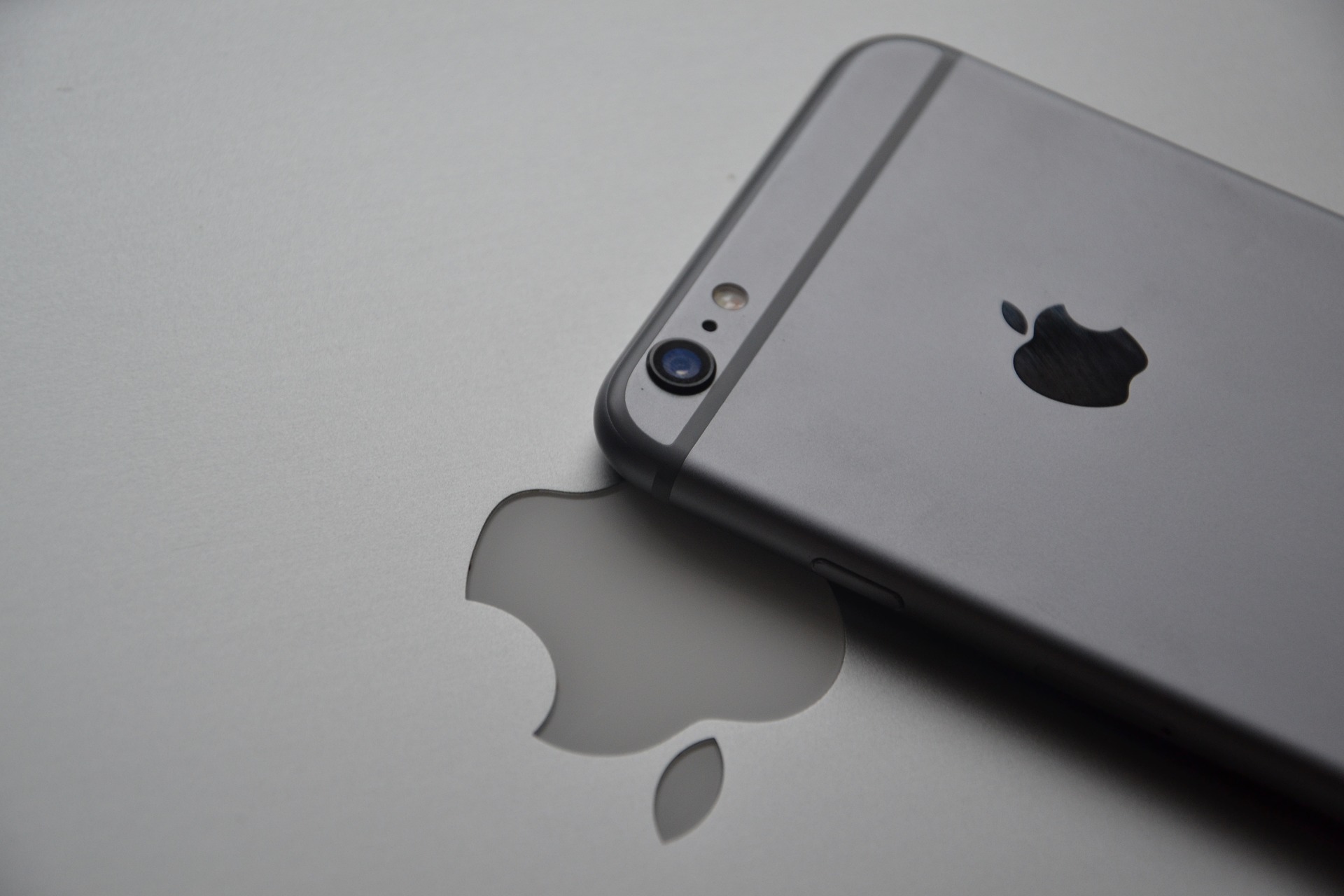
Since its inception in 1976, Apple Inc. has been at the forefront of innovation, continuously pushing the boundaries of technology and revolutionizing the way we interact with devices. From the iconic Apple I to the latest iPhone and beyond, Apple's product timeline tells a remarkable story of technological advancements, design excellence, and a commitment to user experience. Let's take a journey through time and explore the major milestones in the evolution of Apple's products.
1970s: The Early Beginnings
Apple's journey started in 1976 when Steve Jobs, Steve Wozniak, and Ronald Wayne introduced the Apple I, a personal computer kit that consisted of a circuit board and little more. It was followed by the Apple II in 1977, which became one of the company's most successful products, cementing Apple's position as a major player in the emerging personal computer industry.
1980s: The Macintosh Era
In 1984, Apple launched the Macintosh, a groundbreaking computer that featured a graphical user interface and a mouse, making it more accessible and user-friendly. The Macintosh set the stage for the future of computing and established Apple as a leading innovator. Throughout the decade, Apple introduced various iterations of the Macintosh, refining the design and improving performance.
1990s: The Newton and iMac
The 1990s brought both successes and challenges for Apple. In 1993, Apple released the Newton MessagePad, a personal digital assistant ahead of its time, but it faced limited commercial success. However, in 1998, Apple launched the iMac, an all-in-one computer with a colorful and sleek design that revitalized the company. The iMac became a symbol of Apple's commitment to aesthetics and ease of use.
2000s: iPod, iPhone, and MacBook
The 2000s witnessed Apple's transformation into a consumer electronics giant. In 2001, Apple revolutionized the music industry with the iPod, a portable media player that changed the way we listen to music. With its iconic click wheel and seamless integration with iTunes, the iPod quickly became a cultural phenomenon.
In 2007, Apple introduced the iPhone, a device that combined a revolutionary touchscreen interface, internet connectivity, and an iPod into a single device. The iPhone redefined the smartphone industry and sparked a mobile revolution, establishing Apple as a dominant force in the market.
Apple continued its innovation streak with the launch of the MacBook in 2006, replacing the iconic iBook and PowerBook models. The MacBook featured a sleek design, Intel processors, and innovations like the MagSafe power connector and the multi-touch trackpad.
2010s: iPad, Apple Watch, and AirPods
The 2010s marked the rise of new product categories for Apple. In 2010, the company introduced the iPad, a tablet that combined the best elements of the iPhone and MacBook, creating a new way to consume media and interact with content. The iPad quickly became the industry standard for tablets.
In 2015, Apple ventured into the wearable technology market with the launch of the Apple Watch. Combining health tracking, notifications, and personalization, the Apple Watch redefined what a smartwatch could be and became the best-selling wearable device worldwide.
The same year, Apple also introduced the AirPods, wireless earbuds that showcased the company's commitment to simplicity and wireless technology. The AirPods became a cultural phenomenon and set the stage for the widespread adoption of wireless audio.
2020s and Beyond: M1 Macs and Future Innovations
The 2020s began with Apple's transition from Intel processors to its custom-designed M1 chip for Mac computers, offering improved performance, power efficiency, and integration with the company's ecosystem.
Looking ahead, Apple continues to innovate across its product lineup. The company regularly introduces new iterations of its existing products, such as the iPhone, iPad, and Mac, while also exploring new areas, including augmented reality, autonomous vehicles, and health-related technologies.
Apple's timeline of products reflects its dedication to pushing boundaries and creating devices that shape the future of technology. From computers to music players, smartphones to wearables, Apple has consistently delivered products that seamlessly integrate into our lives and set new industry standards.
As we move forward, it will be exciting to see how Apple continues to redefine technology and surprise us with new innovations that captivate the world. One thing is for certain: Apple's commitment to excellence and user experience will continue to drive its success and shape the future of technology.